Buying a Home in NJ? Here Are the Documents You Need for Mortgage Approval
Published | Posted by Dennis Mark Interdonato
- Home Buying
- home loans
- documents
- Insider Insights
If you’re planning to buy a home in New Jersey, one of the most common questions I hear is:
“What documents do I need for a mortgage?”
Whether you’re purchasing in Monmouth County, Middlesex County, Edison, Woodbridge, or anywhere across the Garden State, having the right paperwork ready can make the difference between a smooth closing and frustrating delays.
This 2026 New Jersey homebuyer guide breaks down exactly what you’ll need, and why it matters, so you can prepare like a pro.
Why Mortgage Documents Matter in New Jersey
New Jersey is a competitive and highly regulated real estate market. Lenders must verify:
- Your income
- Your assets
- Your creditworthiness
- Your employment stability
- The property itself
Because NJ home values and property taxes can be higher than national averages, underwriters take a detailed look at your financial profile to ensure affordability.
The more organized you are upfront, the faster your pre-approval and underwriting process will move.
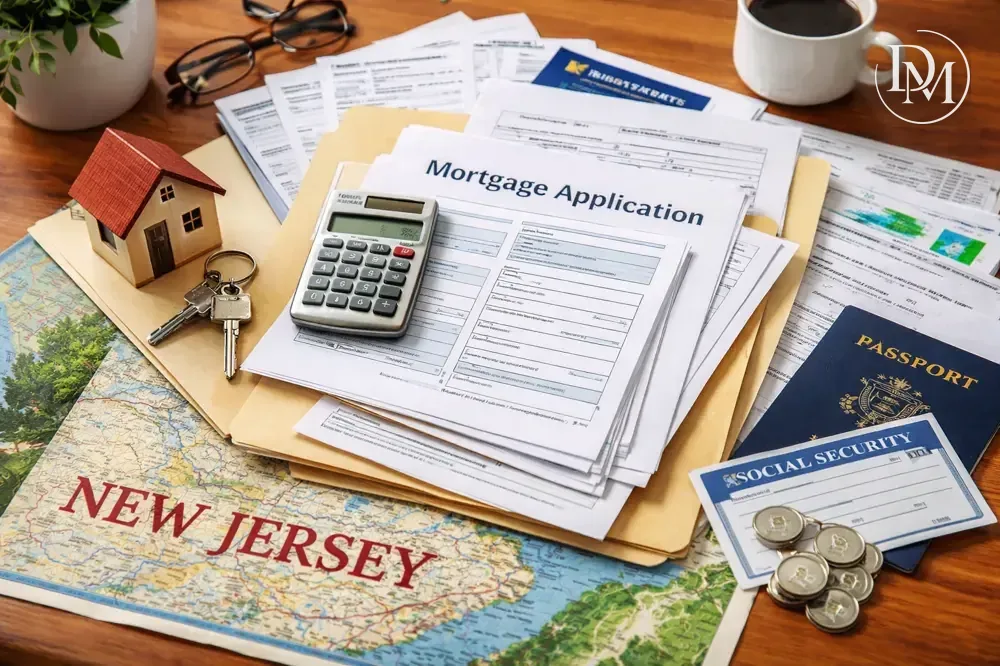
Complete List: Documents You Need for a Home Mortgage in NJ
1. Income Documentation
If You’re a W-2 Employee:
- Last 30 days of pay stubs
- Last 2 years of W-2s
- Last 2 years of federal tax returns
If You’re Self-Employed:
- Last 2 years of personal tax returns
- Last 2 years of business tax returns
- Year-to-date profit & loss statement
- Business bank statements (sometimes required)
Self-employed borrowers in New Jersey often face stricter income calculations due to fluctuating earnings, especially in high-cost areas.
2. Asset Documentation
Lenders must verify you have enough funds for:
- Down payment
- Closing costs
- Reserves (if required)
You’ll typically need:
- Last 2 months of bank statements
- Investment account statements
- Retirement account statements (if using funds)
- Gift letter (if receiving gift funds)
NJ Tip: Many first-time buyers in Middlesex and Monmouth Counties use gift funds from family, documentation must clearly show transfer history.
3. Credit & Liability Information
While lenders pull your credit report, you should be prepared to provide:
- Explanation letters for late payments
- Divorce decrees (if applicable)
- Bankruptcy discharge paperwork (if applicable)
- Statements for outstanding loans not reporting correctly
New Jersey’s competitive market means strong credit can significantly improve your rate and approval terms.
4. Identification Documents
- Government-issued ID
- Social Security number
- Permanent resident card (if applicable)
5. Property-Related Documents
Once you’re under contract on a New Jersey home, you’ll also need:
- Fully executed purchase agreement
- Homeowners insurance policy
- Contact information for your real estate attorney
Unlike many states, New Jersey is an attorney-review state, which adds another layer of documentation during the contract phase.
Special Situations in the NJ Market
Condo Purchases
If you’re buying a condo in areas like Edison or Woodbridge, lenders may require:
- HOA questionnaire
- Condo association financials
Multi-Family Homes (Common in NJ)
For 2–4 unit properties:
- Projected rental income documentation
- Existing lease agreements
First-Time Homebuyer Programs
New Jersey buyers may use assistance programs through:
- New Jersey Housing and Mortgage Finance Agency (NJHMFA)
These programs require additional documentation for income limits and eligibility.
Frequently Asked Questions (FAQs)
How far back do lenders look at income in New Jersey?
Typically two years of employment and income history. Gaps may require written explanation.
Do I need 20% down to buy in NJ?
No. Many buyers use:
- 3%–5% conventional programs
- FHA loans
- NJ state assistance programs
What credit score do I need?
Most conventional loans prefer 620+, but better rates are typically available above 700.
How long does mortgage approval take in NJ?
- Pre-approval: 24–48 hours (if documents are ready)
- Underwriting: 2–3 weeks
- Closing: 30–45 days average in New Jersey
Attorney review and title timelines can impact this.
What if I’m self-employed in NJ?
Be prepared for deeper income analysis. Lenders average your net income over two years and may require additional documentation.
Pro Tips for NJ Homebuyers
✔ Organize documents digitally before applying
✔ Avoid large deposits without documentation
✔ Don’t open new credit accounts before closing
✔ Keep employment stable during the process
✔ Work with a local NJ mortgage professional who understands property tax structures and closing customs
Final Thoughts: Be Prepared, Close Confidently
Buying a home in New Jersey, whether in Monmouth County, Middlesex County, or anywhere across the state, requires preparation.
The mortgage process doesn’t have to be stressful. When you understand the documents required and prepare early, you gain negotiating power, confidence, and speed in a competitive market.
If you’re planning to buy in New Jersey in 2026, start gathering these documents now, and let’s position you for a smooth, on-time closing.