How Long Does It Take to Close on a House in New Jersey?
Published | Posted by Dennis Mark Interdonato
- closing
- Home Buying
- Insider Insights
A Hyper-Local Guide for NJ Homebuyers
If you’re buying a home in New Jersey, one of the biggest questions you probably have is:
“How long does it actually take to close on a house?”
In today’s competitive NJ market, the average closing timeline typically ranges from 30 to 60 days. But that can vary depending on the town, lender, loan type, and how smoothly each step moves forward.
If you’re buying in places like Freehold, Red Bank, Edison, Hoboken, or anywhere across New Jersey, understanding the local process can help you plan better and avoid delays.
Let’s break it down step-by-step.
The Typical NJ Home Closing Timeline (Step by Step)
1. Offer Accepted (Day 0)
Once the seller accepts your offer, the clock starts ticking.
In NJ, this kicks off:
- Attorney review
- Contract finalization
- Initial deposit submission
Unlike some states, New Jersey uses a 3-day attorney review period, which can slightly extend the timeline if revisions are needed.
2. Attorney Review (3–7 Days)
New Jersey is an attorney state, meaning both buyer and seller typically have real estate attorneys.
During this time:
- Contracts can be modified
- Contingencies are clarified
- Inspection timelines are set
Once attorney review is complete, the contract becomes binding.
3. Home Inspection (7–14 Days)
Most buyers schedule inspections within the first two weeks.
Common inspections in NJ include:
- General home inspection
- Radon testing
- Termite/Wood Destroying Insect inspection
- Oil tank sweep (common in older NJ homes)
If repairs are requested, negotiations can add several days to the process.
4. Mortgage Processing & Underwriting (3–4 Weeks)
This is usually the longest part of the process.
Your lender will:
- Verify income & assets
- Order the appraisal
- Review credit
- Submit your file to underwriting
In competitive NJ markets like Hoboken or parts of North Jersey, appraisals must match market value, or renegotiation may occur.
5. Appraisal (1–2 Weeks)
The appraisal ensures the property is worth the purchase price.
Delays can happen if:
- The appraiser’s schedule is backed up
- The home is in a unique or rural NJ area
- Repairs are required before final approval
6. Clear to Close (Final Week)
Once underwriting approves your loan:
- Final Closing Disclosure is issued (3 days before closing required by law)
- Final walk-through is completed
- Closing date is confirmed
7. Closing Day
You’ll sign documents, wire funds, and receive keys.
In New Jersey, closings often take place at:
- Attorney offices
- Title companies
Funds are typically disbursed the same day.
Average Time to Close in New Jersey
Loan Type | Typical NJ Timeline |
|---|---|
Conventional Loan | 30–45 days |
FHA Loan | 30–50 days |
VA Loan | 30–45 days |
Cash Purchase | 2–4 weeks |
Hyper-local tip: In high-demand areas like Freehold and Red Bank, sellers may prefer buyers who can close in 30 days or less.
What Can Delay a Closing in NJ?
Here are the most common issues we see locally:
- Title Issues
Old liens, estate complications, or missing documentation.
- Low Appraisal
Common in rapidly appreciating towns.
- HOA Delays
Especially in condos and townhomes (common in Hoboken and parts of North Jersey).
- Mortgage Documentation
Missing pay stubs, bank statements, or job changes mid-process.
- Inspection Repair Negotiations
Oil tank removals can add weeks if discovered.
How to Close Faster in New Jersey
If you want to shorten your timeline:
✔ Get fully underwritten pre-approval (not just pre-qualified)
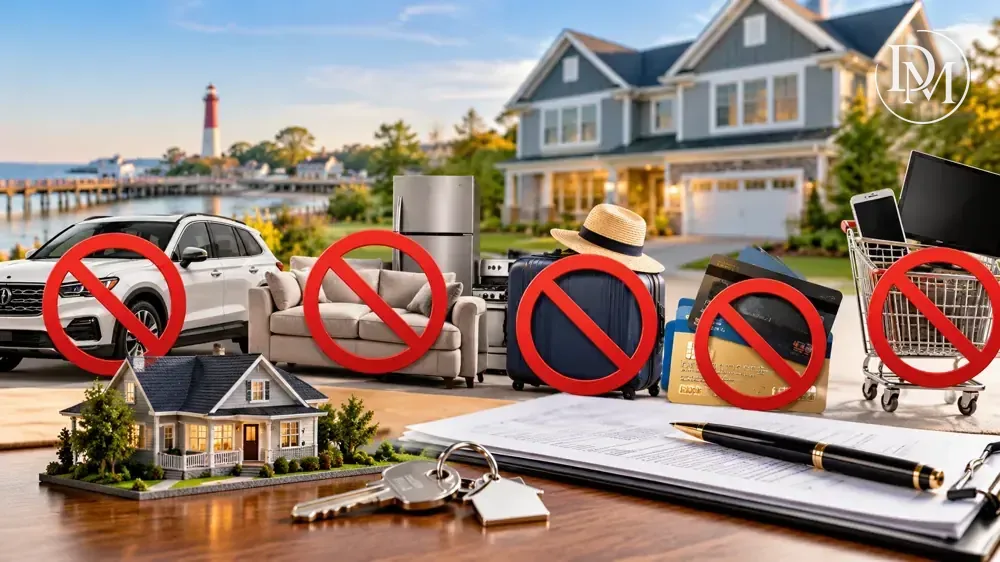
✔ Avoid major purchases before closing
✔ Submit documents quickly
✔ Work with experienced NJ real estate professionals
✔ Schedule inspections immediately after attorney review
FAQs: How Long Does It Take to Close on a House in NJ?
Can you close in 30 days in New Jersey?
Yes, with strong financing, no inspection issues, and responsive attorneys, 30 days is achievable.
Why does New Jersey take longer than some states?
The attorney review period and stricter documentation requirements can extend timelines compared to attorney-free states.
How long does underwriting take in NJ?
Usually 2–3 weeks, depending on lender volume and complexity.
Can cash buyers close faster?
Yes. Cash transactions in NJ often close within 2–4 weeks since there is no mortgage approval required.
What is the fastest possible closing?
In rare cases, 14–21 days, typically cash purchases with no contingencies.
Do NJ property taxes affect closing time?
Not usually, but tax certifications and adjustments are calculated at closing.
Final Thoughts for NJ Homebuyers
The typical closing timeline in New Jersey is 30–60 days, but every transaction is unique.
Your timeline depends on:
- Loan type
- Inspection findings
- Attorney negotiations
- Appraisal results
- Local market conditions
If you’re buying in towns like Freehold, Red Bank, Edison, Hoboken, or anywhere across NJ, working with an experienced local professional can make the difference between a smooth 30-day close and a stressful 60-day process.