Navigating Distressed Properties & Affordability in New Jersey: A Homebuyer’s Guide
Published | Posted by Dennis Mark Interdonato
- Home Buying
- mortgage
Buying a home in New Jersey can be exciting, but it can also feel overwhelming, especially with the current housing market trends and affordability challenges. For many homebuyers, distressed properties present both opportunities and risks. Understanding what “distressed properties” mean and how affordability narratives affect your buying power is crucial to making a smart investment.
What Are Distressed Properties?
Distressed properties are homes that are under financial or structural stress. They can include:
- Foreclosures: Homes reclaimed by lenders after the owner fails to make mortgage payments.
- Short Sales: Homes sold for less than the outstanding mortgage balance with lender approval.
- Bank-Owned Properties (REO): Homes that have gone through foreclosure and are now owned by banks.
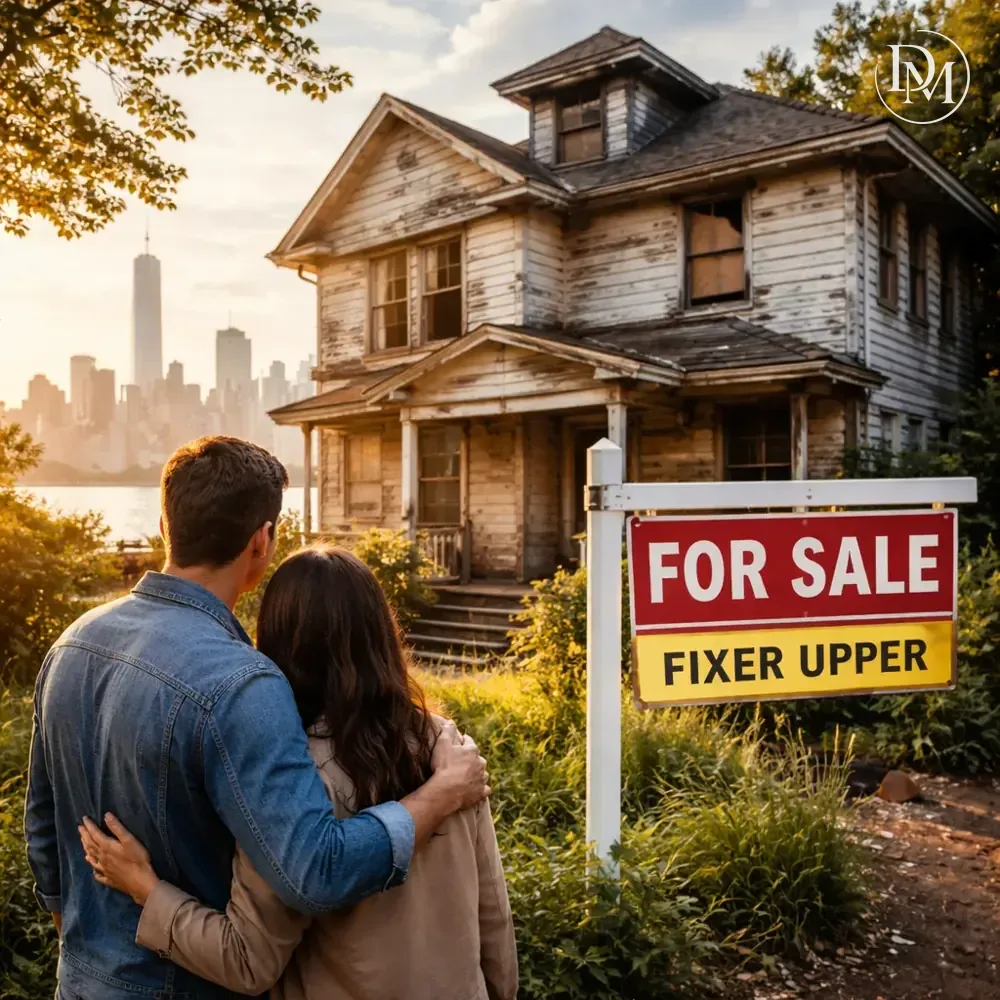
- Fixer-Uppers: Properties needing significant repairs, often offered at a lower price point.
In New Jersey, distressed properties are increasingly attractive for buyers seeking affordability, especially in areas like Freehold, Asbury Park, and Middletown, where home prices have been steadily rising.
How Affordability Narratives Impact Homebuyers in New Jersey
Affordability narratives are discussions and trends around housing costs relative to income. In New Jersey:
- Median home prices have risen faster than household income, making it harder for first-time buyers.
- Distressed properties often provide lower entry points for buyers who may otherwise be priced out.
- Local market conditions, such as school districts, property taxes, and community amenities, can influence whether a distressed property is a good long-term investment.
Understanding these narratives helps buyers make informed decisions rather than reacting to fear or hype.
Tips for Homebuyers Considering Distressed Properties
- Work With a Local Real Estate Expert – New Jersey markets are hyper-local. An experienced agent can identify properties with potential while avoiding hidden pitfalls.
- Inspect Thoroughly – Many distressed homes have underlying issues. Schedule professional inspections to avoid costly surprises.
- Understand Financing Options – FHA 203(k) loans and other renovation-friendly mortgages can help buyers afford repairs.
- Research Neighborhood Trends – Check for rising property values and local development plans in areas like Freehold or Howell Township.
- Budget Wisely – Include repair costs, taxes, and insurance in your affordability calculations.
Frequently Asked Questions (FAQs)
Q1: Are distressed properties a good deal in New Jersey?
A: They can be, but it depends on location, condition, and potential resale value. Freehold and nearby towns sometimes offer hidden gems, but proper due diligence is essential.
Q2: How do I finance a distressed property?
A: Conventional mortgages, FHA 203(k) loans, and renovation-specific loans are popular options. Always discuss options with a mortgage professional familiar with New Jersey regulations.
Q3: What are the risks of buying a foreclosure or short sale?
A: Potential risks include structural damage, liens on the property, and extended closing timelines. Professional inspections and title searches mitigate these risks.
Q4: Can I negotiate the price on distressed properties?
A: Yes, sellers and banks often prefer quick sales, giving buyers room to negotiate, especially if repairs are needed.
Q5: How do property taxes affect affordability in New Jersey?
A: High property taxes can significantly impact monthly costs. Distressed properties sometimes offer lower purchase prices but still come with standard taxes, so factor this into your budget.
Local Market Spotlight: Freehold, NJ
Freehold and surrounding Monmouth County towns have seen growing interest in distressed properties due to affordability concerns. Homes in need of renovation offer buyers a chance to enter desirable neighborhoods at a lower price. However, careful research is key, knowing school ratings, transportation access, and community developments can make or break your investment.
Questions Homebuyers Should Ask
- What is the true market value of this property after repairs?
- Are there any outstanding liens or legal issues?
- How long has the property been on the market?
- What renovations are essential versus cosmetic?
- What comparable homes have recently sold in the area?
Conclusion
Distressed properties can open doors for New Jersey homebuyers seeking affordability, but knowledge and preparation are essential. Partnering with a local real estate professional, conducting thorough inspections, and understanding the local affordability narrative can turn a potentially risky purchase into a smart investment.