Solar Panels for Homes in New Jersey: A Smart Investment for Today’s Homebuyers
Published | Posted by Dennis Mark Interdonato
- solar panels
- home improvement
- Home Buying
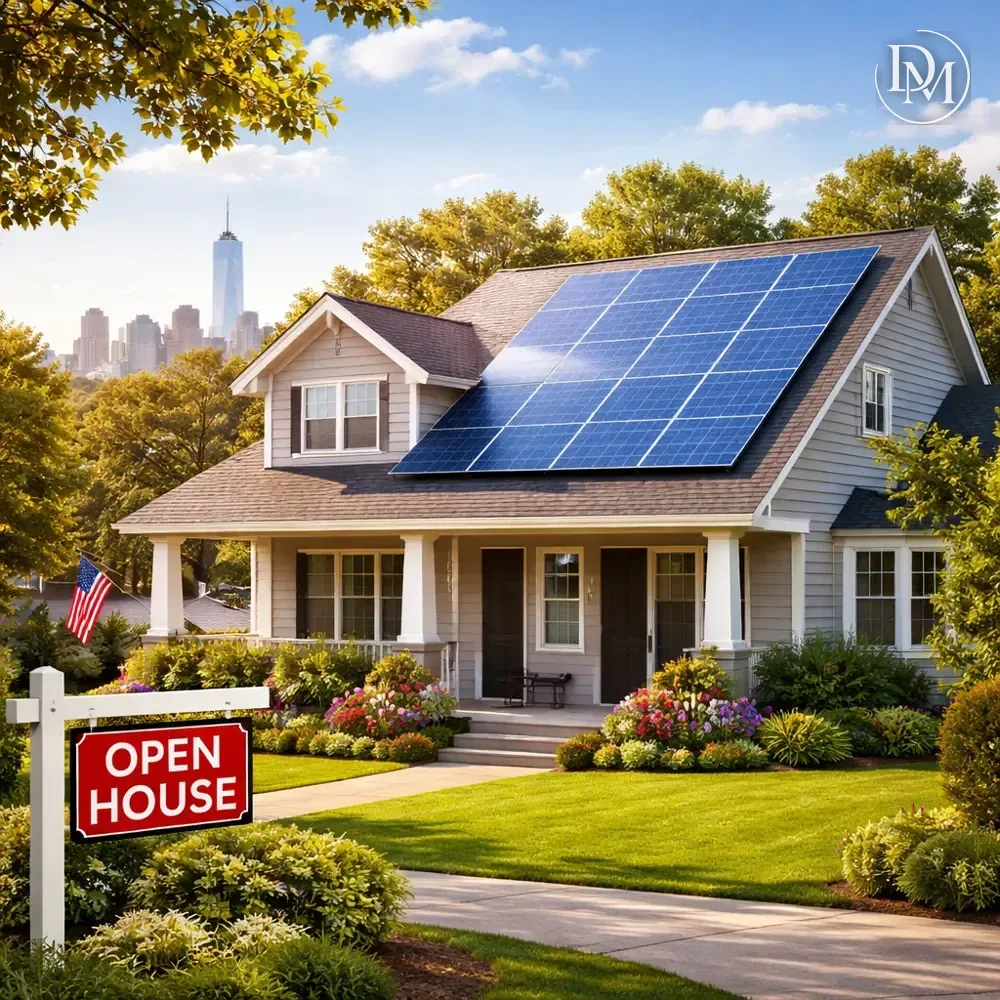
As energy costs continue to rise and sustainability becomes a priority, more homebuyers in New Jersey are actively searching for properties equipped with solar panels. Whether you're buying in Bergen County, Monmouth County, or Middlesex County, understanding how solar panels impact homeownership can give you a serious advantage in today’s competitive market.
If you're considering buying a home with solar, or installing a system after purchase, this guide will walk you through everything you need to know.
Why Solar Panels Are a Big Deal for New Jersey Homebuyers
New Jersey consistently ranks among the top states for solar adoption, and for good reason:
- High electricity costs make solar savings more attractive
- State incentives significantly reduce installation costs
- Strong resale value for solar-equipped homes
- Eco-conscious buyers are driving demand
For homebuyers, this means solar is no longer a luxury. It’s quickly becoming an expectation in many NJ markets.
Key Benefits of Buying a Home with Solar Panels
1. Lower Monthly Utility Bills
Solar panels can drastically reduce or even eliminate your electric bill. In New Jersey, homeowners often save $1,000–$2,500 annually, depending on system size and usage.
2. Increased Home Value
Studies show that homes with solar panels sell faster and at higher prices. Buyers are willing to pay a premium for long-term energy savings.
3. State & Federal Incentives
New Jersey offers some of the best solar incentives in the country, including:
- Successor Solar Incentive (SuSI) Program
- Solar Renewable Energy Certificates (SRECs)
- Federal Solar Investment Tax Credit (ITC)
These incentives can significantly offset upfront costs.
4. Environmental Impact
Solar energy reduces your carbon footprint, something that resonates strongly with today’s buyers.
What Homebuyers Need to Know Before Purchasing a Solar Home
Not all solar setups are created equal. Here’s what to look for:
✔️ Ownership vs Lease
- Owned systems: Add value and are preferred by lenders
- Leased systems: May require credit approval and contract transfer
✔️ Age of the System
Most panels last 25–30 years. Ask for:
- Installation date
- Warranty details
- Maintenance records
✔️ Roof Condition
Solar panels are mounted to the roof, so make sure:
- The roof is in good shape
- No replacement is needed soon
✔️ Energy Production
Request past utility bills to understand:
- Energy output
- Cost savings
Solar Panels and Mortgage Financing in New Jersey
Solar panels can impact your mortgage in several ways:
- Owned solar systems are typically included in the home’s appraised value
- Leased systems may affect your debt-to-income ratio
- Some lenders offer energy-efficient mortgage (EEM) programs
Working with a knowledgeable mortgage professional ensures you structure your loan correctly.
Best Areas in New Jersey for Solar-Friendly Homes
Solar adoption is booming across New Jersey, especially in:
- Monmouth County (suburban homes with larger roofs)
- Middlesex County (high demand from first-time buyers)
- Bergen County (premium properties with eco upgrades)
- Ocean County (strong sunlight exposure and coastal homes)
Each area offers unique opportunities for solar savings and long-term value.
Should You Install Solar After Buying a Home?
If your new home doesn’t already have solar, installing it can still be a great move.
Ideal Candidates:
- Homes with south-facing roofs
- Minimal shading
- High electricity usage
Average Costs in NJ:
- $10,000–$25,000 after incentives
With financing options and tax credits, many homeowners go solar with little to no upfront cost.
FAQs: Solar Panels for Homebuyers in New Jersey
1. Do solar panels increase property taxes in New Jersey?
No, New Jersey offers a property tax exemption for the added value of solar systems.
2. Are solar panels worth it in New Jersey?
Yes. With high utility rates and strong incentives, NJ is one of the best states for solar ROI.
3. Can I get a mortgage on a home with leased solar panels?
Yes, but lenders will review the lease terms. Some may require the lease to be transferred or paid off.
4. What happens if I sell a home with solar panels?
- Owned systems transfer with the home
- Leased systems require buyer approval and contract transfer
5. How long do solar panels last?
Most systems last 25–30 years with minimal maintenance.
6. Do solar panels work during power outages?
Not typically, unless the system includes battery storage.
7. Will solar panels make my home harder to sell?
No, homes with owned solar systems often sell faster and at a premium.
Final Thoughts: Is Solar Right for Your Next Home?
For New Jersey homebuyers, solar panels represent more than just energy savings. They’re a long-term investment in your home’s value, efficiency, and sustainability.
As a buyer in today’s market, understanding solar can give you a competitive edge and help you make a smarter, more informed purchase.