Understanding Property Taxes and Their Impact on Monthly Mortgage Payments in New Jersey
Published | Posted by Dennis Mark Interdonato
- property taxes
- mortgage
- mortgage payments
- Home Buying
- Insider Insights
Buying a home in New Jersey is exciting, but many homebuyers overlook one key component of homeownership: property taxes. New Jersey consistently ranks among the states with the highest property taxes in the U.S., making it essential for prospective homeowners to understand how these taxes affect monthly mortgage payments. Whether you’re looking at homes in Monmouth County, Middlesex County, or anywhere in the Garden State, knowing the numbers upfront can help you budget effectively and avoid surprises.
What Are Property Taxes?
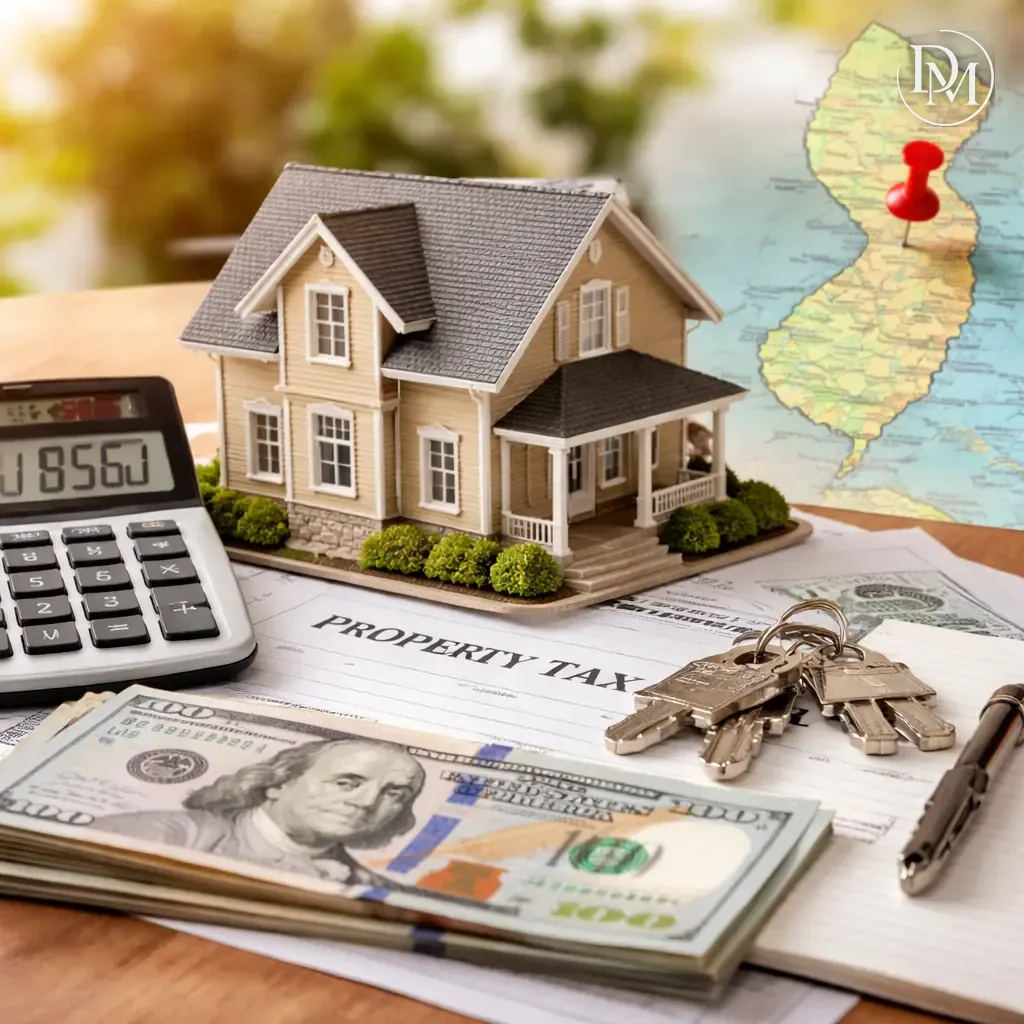
Property taxes are levies imposed by local governments, counties, municipalities, and school districts, based on the assessed value of your home. In New Jersey, property taxes fund public services such as schools, police and fire departments, infrastructure, and local government operations.
Key fact: The average property tax rate in New Jersey is about 2.21%, but this varies significantly by county and municipality. For example, homeowners in Monmouth County, NJ, might pay different rates depending on the township.
How Property Taxes Affect Your Monthly Mortgage Payment
When calculating your monthly mortgage payment, lenders consider more than just principal and interest. Your monthly payment typically includes:
- Principal & Interest – The cost of borrowing money.
- Property Taxes – Local taxes based on your home’s assessed value.
- Homeowners Insurance – Protects your home from damage and liability.
- Mortgage Insurance (if applicable) – For buyers putting less than 20% down.
Property taxes can significantly increase your monthly payments. For instance, a home valued at $500,000 in Monmouth County with a 2.2% property tax rate could add $11,000 annually, or about $916 per month, to your housing costs. This makes property taxes a crucial factor in affordability calculations.
FAQs About Property Taxes in New Jersey
Q1: Are property taxes the same across New Jersey?
No. Property tax rates vary by county and municipality. In New Jersey, counties like Bergen, Morris, and Monmouth often have higher average rates, while others may be lower.
Q2: Can property taxes change after I buy a home?
Yes. Property taxes are based on the assessed value of your home, which can be re-evaluated periodically. Local tax rates can also increase, impacting your monthly payments.
Q3: How do I estimate property taxes before buying?
You can check the municipality’s tax records or use online property tax calculators. Your real estate agent or mortgage professional can provide accurate estimates based on comparable homes in the neighborhood.
Q4: Are there any programs to reduce property taxes for homeowners in New Jersey?
Yes. New Jersey offers programs like Homestead Benefit, Senior Freeze, and veterans’ exemptions, which can reduce your property tax burden. Eligibility depends on your age, income, and residency status.
Q5: How do property taxes impact my mortgage approval?
Lenders calculate your Debt-to-Income (DTI) ratio, which includes your estimated property taxes. Higher property taxes could reduce the loan amount you qualify for, so factoring them in early is essential.
Tips for Managing Property Taxes in Monmouth County
- Research before you buy – Check the property tax history for the home you’re considering.
- Compare municipalities – Some towns have higher taxes but better school districts or amenities. Decide what’s most important for your family.
- Include taxes in your budget – Don’t focus only on mortgage principal and interest; your monthly housing cost is more than just the loan payment.
- Ask about exemptions – Seniors, veterans, and eligible residents can apply for tax relief programs.
- Work with a local expert – A New Jersey real estate agent and mortgage professional can help you factor property taxes into your affordability plan.
Bottom Line
Property taxes in New Jersey are a significant part of monthly housing costs. Understanding how they affect your mortgage payments can help you make informed decisions when buying a home in Monmouth County or anywhere else in the state. Planning ahead ensures that you don’t just love your home. It fits comfortably within your budget too.
Local Insight from a New Jersey Mortgage Professional
Navigating property taxes doesn’t have to be overwhelming. Working with a knowledgeable real estate agent and mortgage professional in Monmouth County, NJ can help you estimate monthly costs accurately and identify programs to lower your property tax burden. Smart planning today saves stress tomorrow.