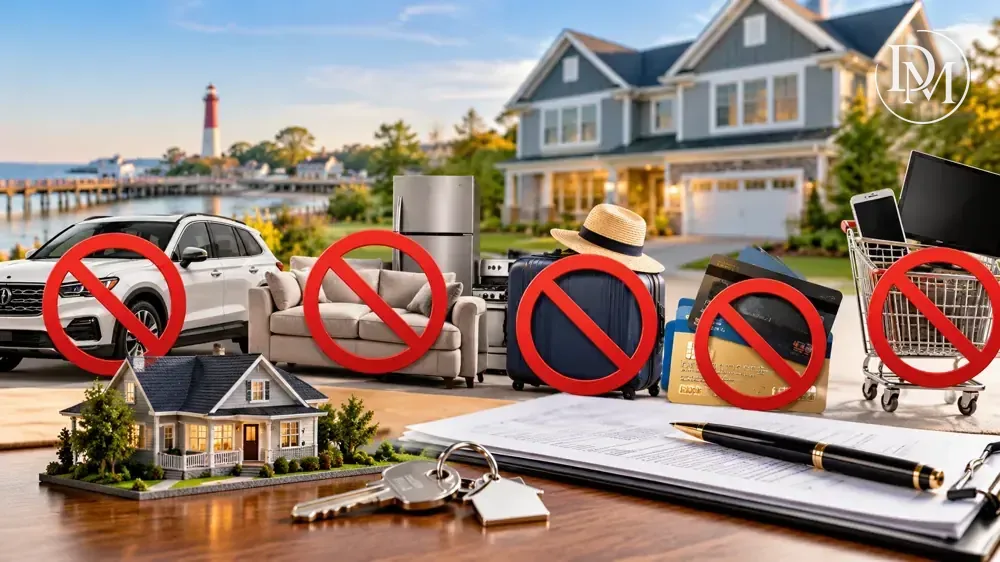
What Purchases Should You Avoid Before Closing on a Mortgage? A New Jersey Homebuyer's Guide
Published | Posted by Dennis Mark Interdonato
- mortgage
- closing
- New Jersey
- Insider Insights
Your mortgage is almost approved, your closing date is approaching, and you're already planning how to decorate your new home. But could buying furniture, financing a new car, or opening a credit card put your home purchase at risk?
For New Jersey homebuyers, the weeks leading up to closing are some of the most important parts of the mortgage process. Even after receiving mortgage preapproval or conditional loan approval, certain financial decisions can affect your eligibility.
Whether you're purchasing your first home in Monmouth County, upgrading to a larger property in Ocean County, or relocating to Middlesex County, understanding what purchases to avoid before closing can help protect your mortgage approval and keep your homebuying journey on track.
Why Do Purchases Matter Before Closing on a Mortgage?
When you apply for a mortgage, lenders evaluate several factors to determine whether you qualify for financing.
These typically include:
- Your credit score and credit history
- Your debt-to-income ratio (DTI)
- Your employment and income stability
- Your savings and available funds for closing
- Your existing loans and monthly financial obligations
Your lender may verify some of this information again before closing.
Here's what many New Jersey buyers don't realize: Mortgage approval isn't necessarily final until your loan has been funded and the transaction is completed.
If you take on new debt, significantly reduce your savings, or make major changes to your financial situation, your lender may need to reassess your eligibility.
For example, imagine you're purchasing a $550,000 home in Freehold, NJ. You've already been preapproved and have enough money saved for your down payment and closing costs.
Then, two weeks before closing, you finance $8,000 worth of furniture.
That purchase might seem harmless, but the additional monthly payment could increase your debt-to-income ratio and potentially affect your mortgage qualification.
7 Purchases New Jersey Homebuyers Should Avoid Before Closing
1. Buying or Leasing a New Car
A new car loan or lease can substantially increase your monthly debt obligations. Even if you can comfortably afford the vehicle, the payment could push your debt-to-income ratio above your mortgage program's allowable limit.
If you're moving to Howell, Marlboro, or another suburban New Jersey community and need a vehicle, speak with your mortgage lender before financing one.
2. Financing Furniture and Appliances
It's tempting to buy a new sectional, refrigerator, washer, or bedroom set before moving in.
However, store financing, deferred-payment plans, and new credit cards may create additional obligations or credit inquiries.
New Jersey homebuyer tip: Browse furniture and compare prices before closing, but wait until your mortgage is finalized before applying for financing.
3. Paying for Major Home Renovations
Planning to renovate the kitchen or replace the flooring immediately after moving in?
Large purchases for remodeling materials, contractor deposits, or home improvement projects can reduce the cash reserves your lender expects you to maintain.
If you're purchasing an older property in Toms River, Brick Township, or Neptune, discuss planned renovation expenses with your lender before committing funds.
4. Opening New Credit Cards for Large Purchases
Retailers often promote discounts for opening new credit accounts.
But applying for new credit before mortgage closing can result in a hard inquiry, change your credit profile, and potentially add new debt.
Even a seemingly small monthly payment can matter when your mortgage qualification is close to the lender's limits.
5. Booking Expensive Vacations
Planning a vacation to celebrate your new home?
Paying for flights, hotels, or a major trip before closing may significantly reduce the funds available for your down payment, closing costs, or required reserves.
A vacation purchase isn't automatically disqualifying, but large expenses should be discussed with your lender when they affect your available funds.
6. Financing Electronics or Other Big-Ticket Items
A new television, gaming setup, computer, or home entertainment system may seem like a small expense compared with your mortgage.
However, installment payments and buy-now-pay-later arrangements can create additional debt obligations.
Some financing arrangements may not appear immediately on your credit report, but lenders may still require disclosure of the obligation.
7. Making Large Purchases That Drain Your Savings
Even purchases made entirely with cash can create problems if they reduce the money needed to close.
Your lender may need to verify that you have sufficient funds for your down payment, closing costs, prepaid expenses, and any required reserves.
Before making a large withdrawal, confirm how much money must remain available through closing.
How Much Can a New Purchase Affect Your Mortgage Approval?
Let's look at a hypothetical example involving a buyer purchasing a home in Middletown, New Jersey.
Suppose the buyer earns $10,000 in gross monthly qualifying income and has $4,000 in monthly debt obligations, including the proposed mortgage payment.
Their debt-to-income ratio is 40%.
Now imagine the buyer finances a new vehicle with a monthly payment of $650.
Their total monthly debt increases to $4,650, raising their debt-to-income ratio to 46.5%.
That single purchase increases the buyer's DTI by 6.5 percentage points.
Depending on the loan program, credit profile, and underwriting requirements, that increase could create a qualification issue.
The lesson: It's not simply the price of the purchase that matters. It's how the purchase changes your overall financial picture.
What Purchases Are Generally Safe Before Closing?
Not every purchase is a problem.
Ordinary expenses such as groceries, gas, utilities, and routine household necessities are generally less concerning when they fit within your existing budget and don't interfere with the funds required for closing.
The key is to maintain financial consistency.
Before making any substantial purchase, ask yourself:
- Will this purchase require a new loan or credit account?
- Will it increase my monthly debt payments?
- Will it reduce my verified funds needed for closing?
- Could it change my credit profile?
- Has my mortgage lender approved the financial change?
When in doubt, ask your loan officer before making the purchase.
New Jersey Homebuyers: Don't Forget About Closing Costs and Property Taxes
Buying a home in New Jersey involves more than saving for a down payment.
Depending on the property and transaction, buyers may need funds for attorney fees, title-related charges, lender fees, homeowners insurance, inspections, and prepaid or escrowed property taxes.
Property taxes can represent a significant part of the monthly housing budget in communities throughout Monmouth, Ocean, and Middlesex counties.
For example, buyers considering homes in Colts Neck, Holmdel, Manalapan, or Westfield should review the property's actual tax assessment and estimated monthly tax obligation before committing to additional purchases.
In some New Jersey transactions, buyers may also need to account for adjustments involving property taxes or other prepaid expenses at closing.
Your lender and closing attorney can help you understand the final amount of cash you'll need.
When Can You Safely Make Large Purchases After Buying a Home?
A common question among homebuyers is whether they can start shopping as soon as their mortgage receives a clear-to-close notification.
The safer approach is to wait until the transaction has fully closed and the loan has been funded.
A clear-to-close status generally means the lender has satisfied major underwriting requirements, but it does not always mean that no additional verification will occur.
Once closing is complete, you can revisit major purchases based on your household budget.
However, it's still wise to maintain an emergency fund for unexpected repairs, maintenance, moving expenses, and other homeownership costs.
Frequently Asked Questions About Purchases Before Mortgage Closing
1. Can I buy furniture before closing on a house in New Jersey?
Yes, but the payment method matters. Purchasing furniture with existing available funds may be acceptable if it doesn't affect your required closing funds or reserves. Financing furniture or opening a new store credit account could affect your mortgage approval. Check with your lender first.
2. Can I use my credit card before closing on a mortgage?
Generally, you can continue using existing credit cards for normal expenses. However, large balances or new monthly obligations may affect your credit utilization and debt-to-income ratio. Paying balances as agreed and avoiding unusual spending is advisable.
3. Will buying a car before closing affect my mortgage?
It can. A new car loan or lease may increase your monthly debt and affect mortgage qualification. Some buyers may still qualify, but it's important to receive guidance from your loan officer before signing a financing agreement.
4. Can I open a new credit card after mortgage preapproval?
Opening a new credit account may affect your credit score, available credit, and monthly obligations. Since lenders can review credit again before closing, avoiding new applications is generally recommended.
5. Can I use buy-now-pay-later services before closing?
Buy-now-pay-later financing may create additional repayment obligations. Even when a particular account doesn't immediately appear on a traditional credit report, it can still be relevant to your mortgage application. Disclose any new financing to your lender.
6. Can I make a large cash purchase before closing?
Potentially, but only if it doesn't compromise the funds needed for your down payment, closing costs, and required reserves. Large account withdrawals may also require an explanation or updated documentation.
7. What happens if I accidentally make a large purchase before closing?
Contact your mortgage lender immediately. Depending on the transaction, the lender may need to update your financial information or reassess your qualification. A purchase doesn't automatically mean your loan will be denied.
8. Can I pay off a credit card before closing to improve my mortgage approval?
Paying down debt may help in some situations, but it should be coordinated with your loan officer. Using cash to pay off a balance could reduce funds needed for closing, and the lender may have specific requirements for documenting debt repayment.
9. Can my mortgage be denied after receiving a clear-to-close?
Yes, although a clear-to-close is an important milestone. Material changes to your credit, employment, income, assets, or other underwriting information may still create issues before the loan is funded.
10. How long should I avoid major purchases before mortgage closing?
A practical approach is to avoid significant new debt and major financial changes from the time you begin the mortgage application process until your transaction is fully closed. Your lender can advise you based on your particular loan program.
Local Advice for Homebuyers Across New Jersey
Whether you're buying a waterfront property in Point Pleasant, a starter home in Brick Township, a townhome in East Brunswick, or a single-family home in Freehold, the same principle applies:
Protect your financial stability until the keys are officially yours.
Real estate transactions involve several moving parts, from inspections and appraisals to title reviews and final mortgage approval.
Working closely with your real estate agent, mortgage loan officer, and New Jersey real estate attorney can help you avoid unnecessary surprises.
A knowledgeable local team can also help you anticipate costs that may be unique to the property, including property taxes, homeowners association fees, flood insurance, and potential maintenance expenses.
Final Thoughts: Your Dream Home Is Worth Waiting for
You've worked hard to save for your down payment, improve your credit, and find the right property.
Don't let an unnecessary purchase create complications just days before closing.
The safest strategy is simple: maintain your financial stability, avoid taking on new debt, and communicate with your lender before making significant financial decisions.
The furniture, appliances, and upgrades can wait. Protecting your mortgage approval should come first.
Ready to Buy a Home in New Jersey?
Whether you're a first-time homebuyer or preparing for your next move, understanding the mortgage process can make a difference.
Our team at PRMG Got Mortgages is here to help you explore financing options, prepare for closing, and navigate your homebuying journey with confidence.
Let's discuss your homeownership goals and build a strategy that works for you.
Disclaimer: This article is for general educational purposes and does not constitute a loan approval, financial advice, or a guarantee of financing. Mortgage requirements vary by lender, loan program, and individual financial circumstances. Consult your licensed mortgage professional before making significant financial changes.