Great Swamp National Wildlife Refuge: New Jersey’s Hidden Wilderness Escape Near NYC
Published | Posted by Dennis Mark Interdonato
- publications july
- Discover Great Swamp National Wildlife Refuge in Basking Ridge
- NJ, trails
- wildlife
- boardwalks
- birding
- and peaceful nature near NYC.
Just 26 miles west of New York City, in the quiet folds of Morris County, New Jersey, there is a place where traffic noise gives way to birdsong, cattails move with the wind, and the wetlands seem to ask visitors to slow down. The Great Swamp National Wildlife Refuge in Basking Ridge is one of those rare local treasures that feels both accessible and untouched, a protected natural sanctuary hiding in plain sight. (U.S. Fish and Wildlife Service)
For Dennis Mark Interdonato, places like this are what make New Jersey so endlessly compelling. Beyond the highways and downtown corridors, the state still holds pockets of wilderness that remind us why conservation matters.
A Morris County Refuge With a Remarkable Story
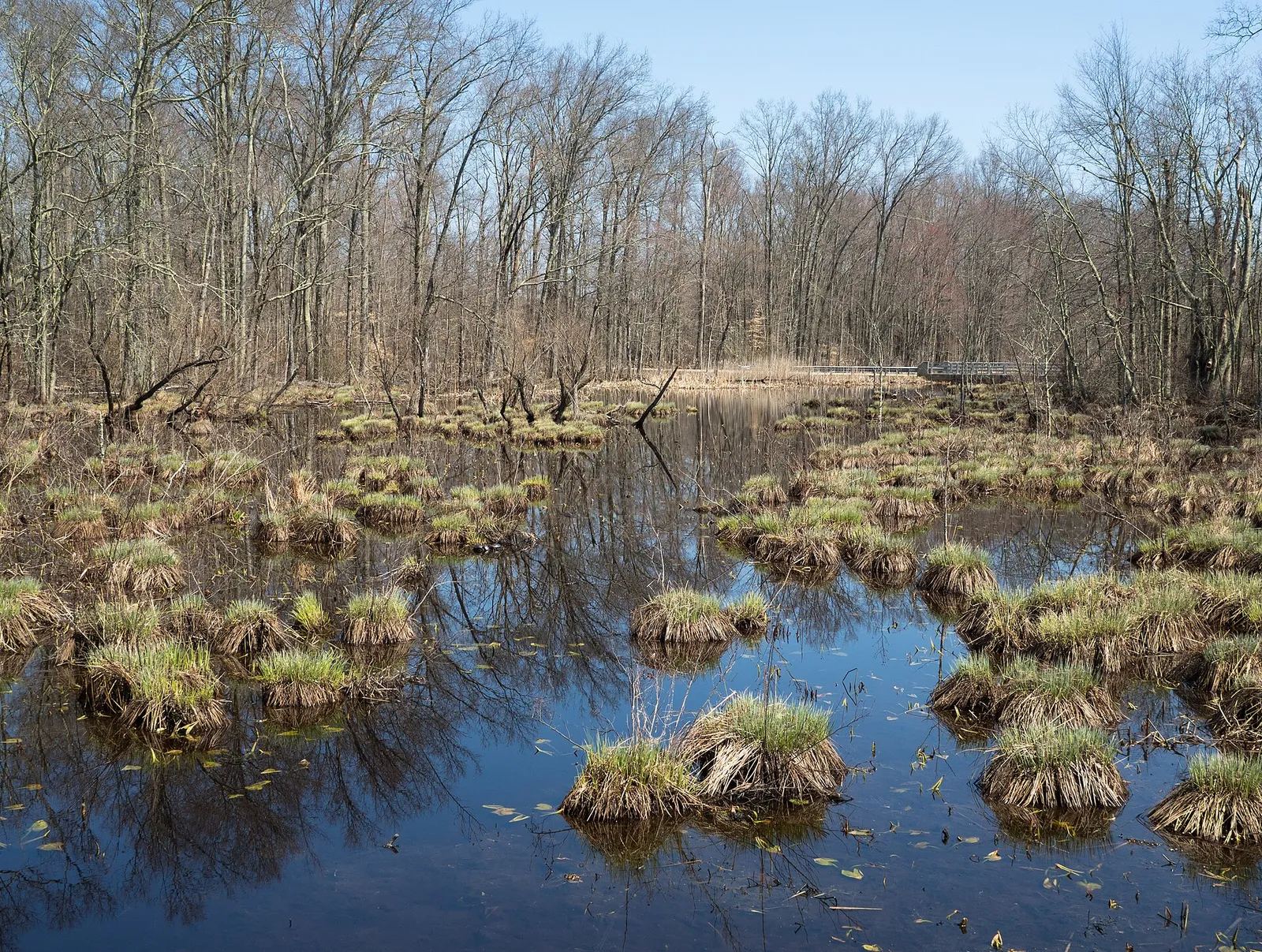
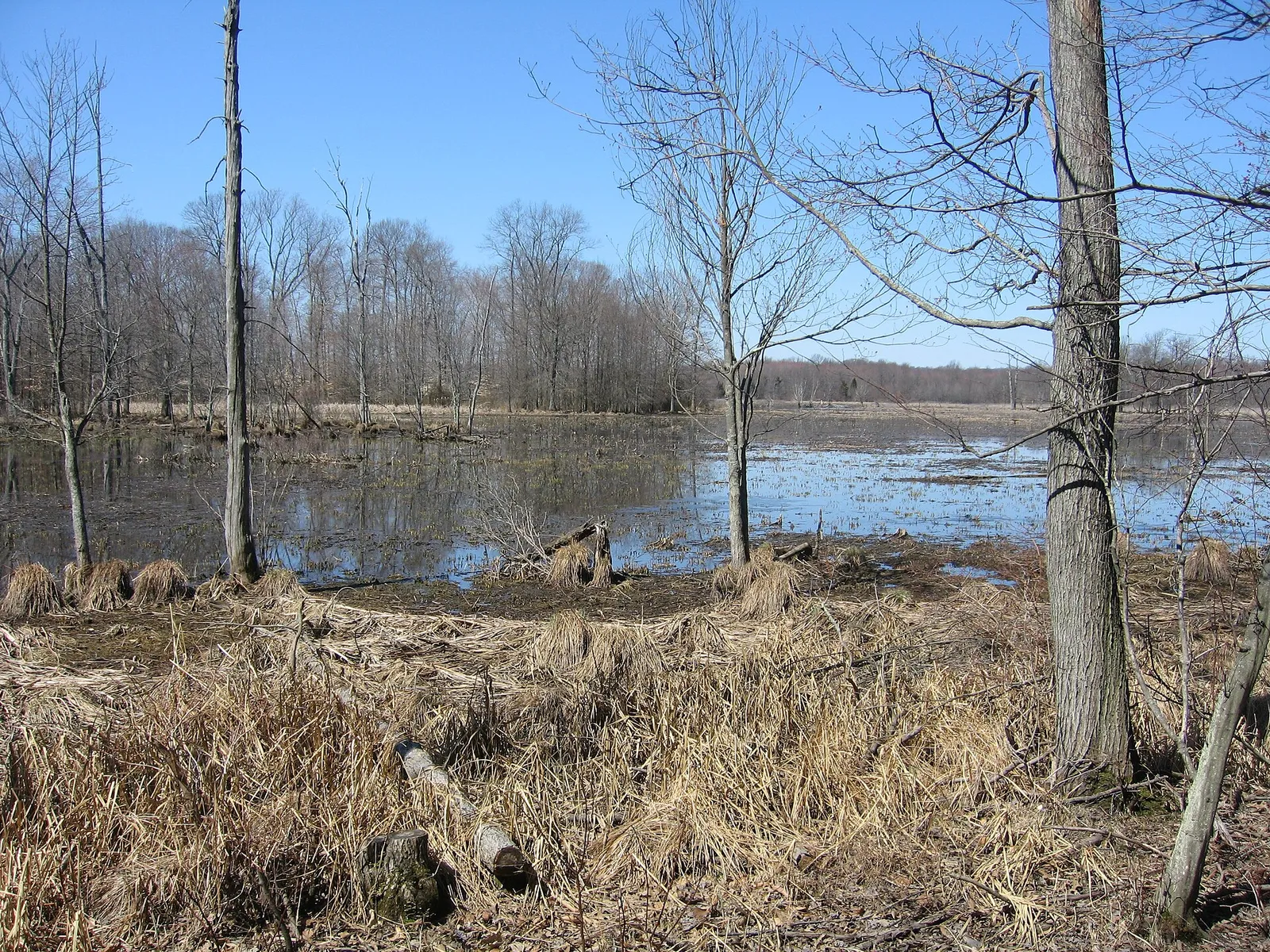
Great Swamp is more than a scenic place for a weekend walk. It is a 12-square-mile natural oasis in a largely suburban region, serving as an important stopover for migrating waterfowl and a haven for wildlife. (U.S. Fish and Wildlife Service)
Its history is equally powerful. The land was once threatened by development, but local advocates fought to protect it. Today, the refuge stands as proof that community action can preserve something irreplaceable.
Boardwalks, Wetlands, and Wildlife Watching
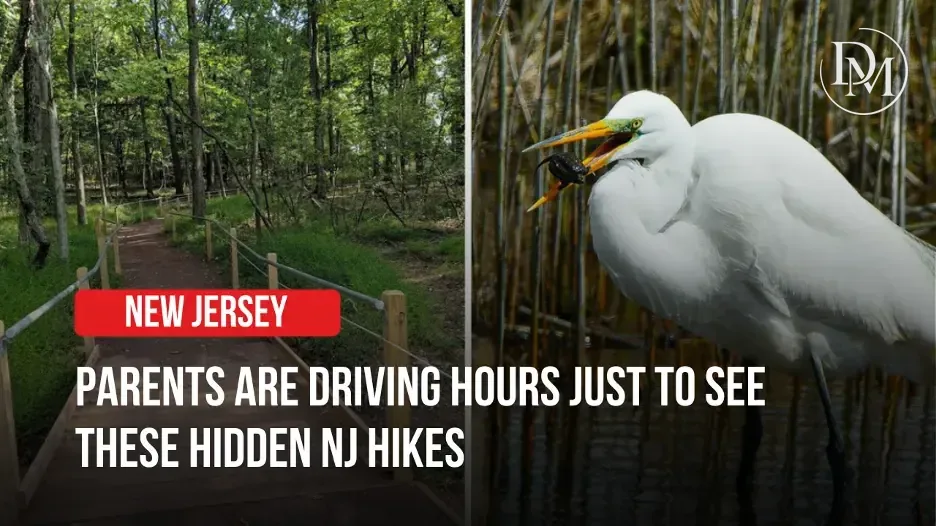
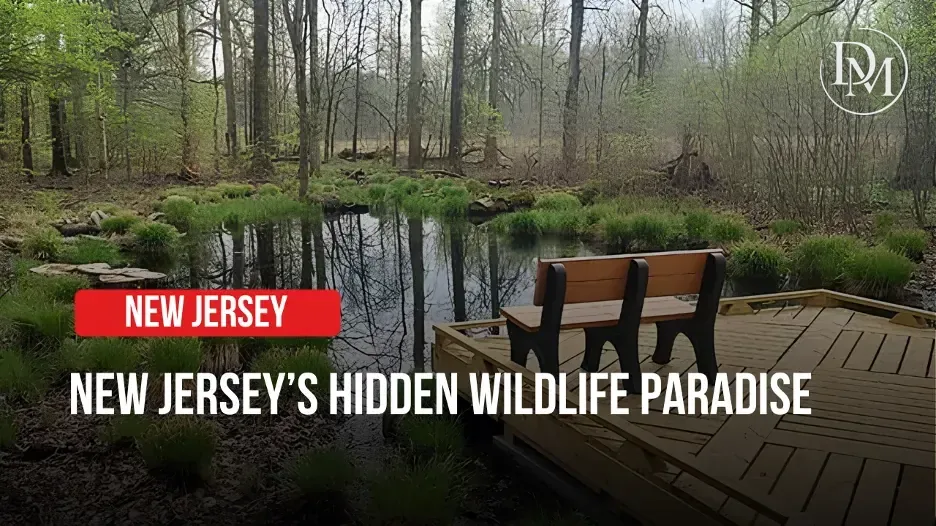
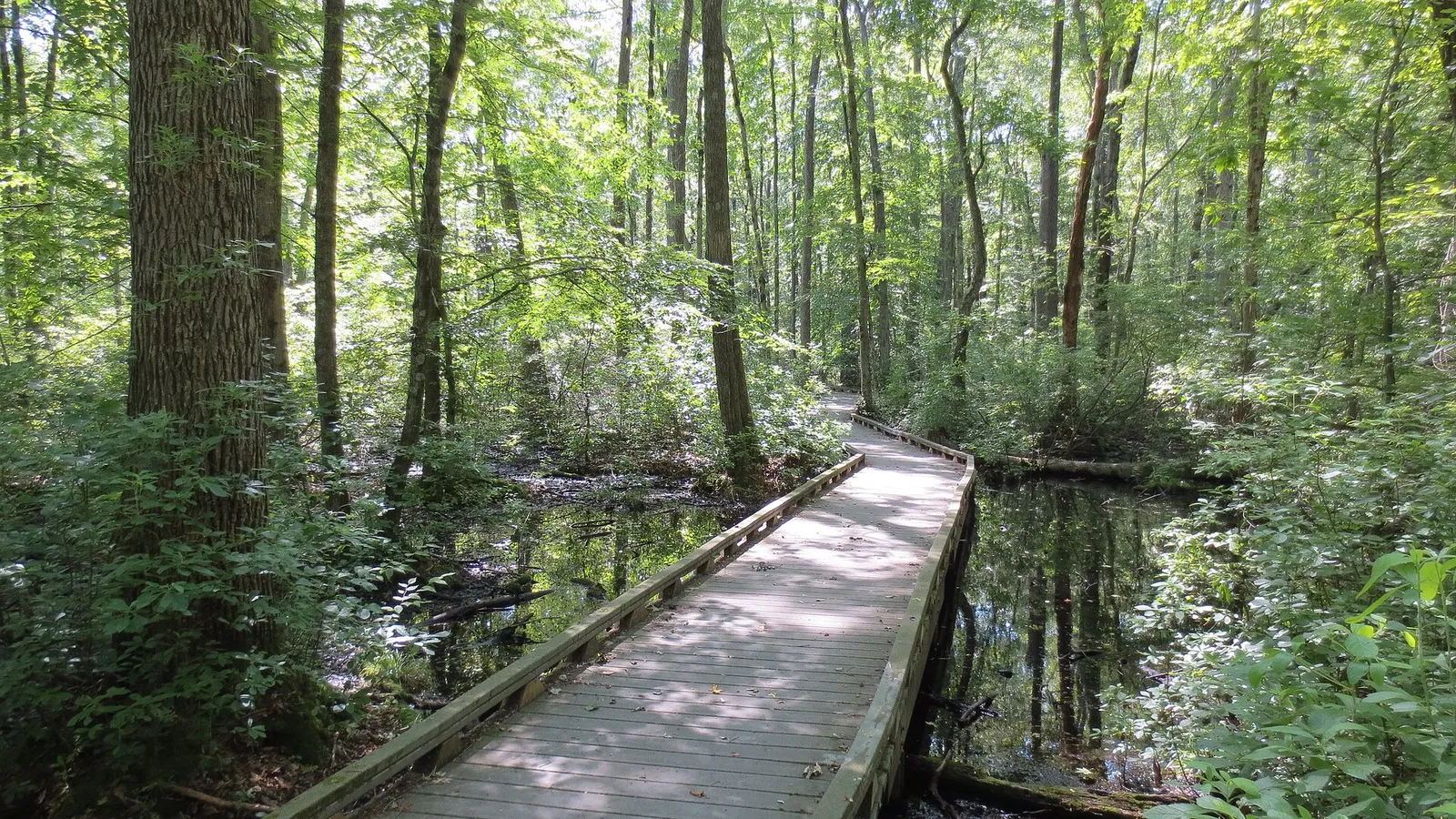
The Wildlife Observation Center is one of the best starting points for first-time visitors. Its boardwalk and stone-dust trails stretch about 1.2 miles, offering close views of frogs, turtles, snakes, mammals, birds, and wetland habitats without disturbing the fragile ecosystem. (Friends of Great Swamp)
This is where Great Swamp becomes a true New Jersey day-trip gem. You do not need to be an expert birder or seasoned hiker. You simply need curiosity, comfortable shoes, and a willingness to look closely.
The Best Way to Experience the Trails
The refuge’s trails are designed to bring visitors near the wetlands while keeping people on protected paths. Boardwalks pass through wooded swamp, marshland, and open habitat, creating a gentle, immersive experience.
Morning is especially rewarding. The light is softer, wildlife tends to be more active, and the refuge feels almost private. Spring and fall migration bring excellent birding, while winter opens up long sightlines through the bare trees.
The Helen C. Fenske Visitor Center
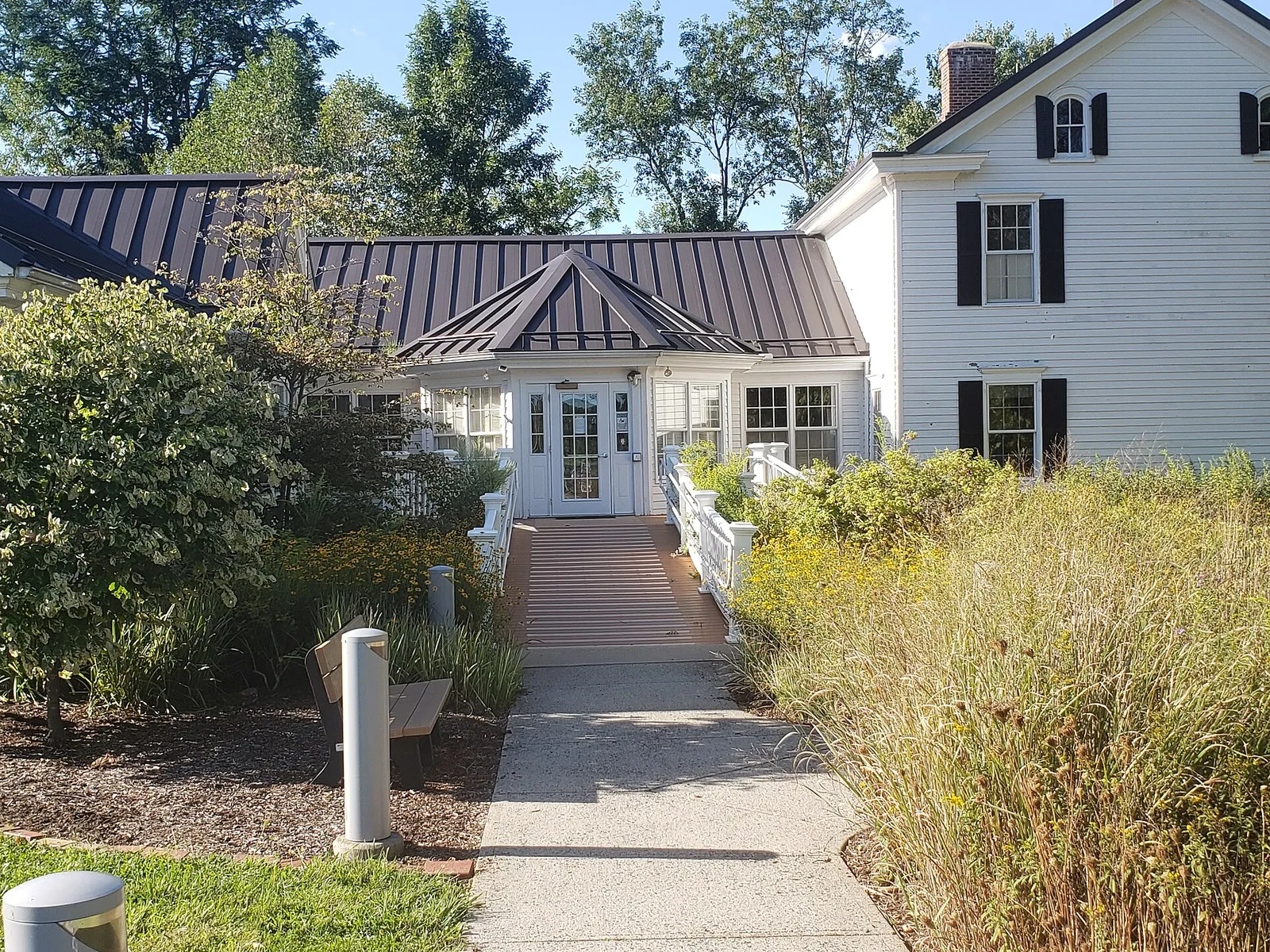
Before heading deeper into the refuge, stop at the Helen C. Fenske Visitor Center in Harding Township. The Friends of Great Swamp list the center at 32 Pleasant Plains Road, with exhibits and visitor information that help explain the refuge’s wildlife, history, and habitats. (Friends of Great Swamp)
For families, this is a smart first stop. For photographers, it is a planning hub. For locals rediscovering Morris County, it adds context to every boardwalk, pond, and bird blind
Why Great Swamp Matters to New Jersey
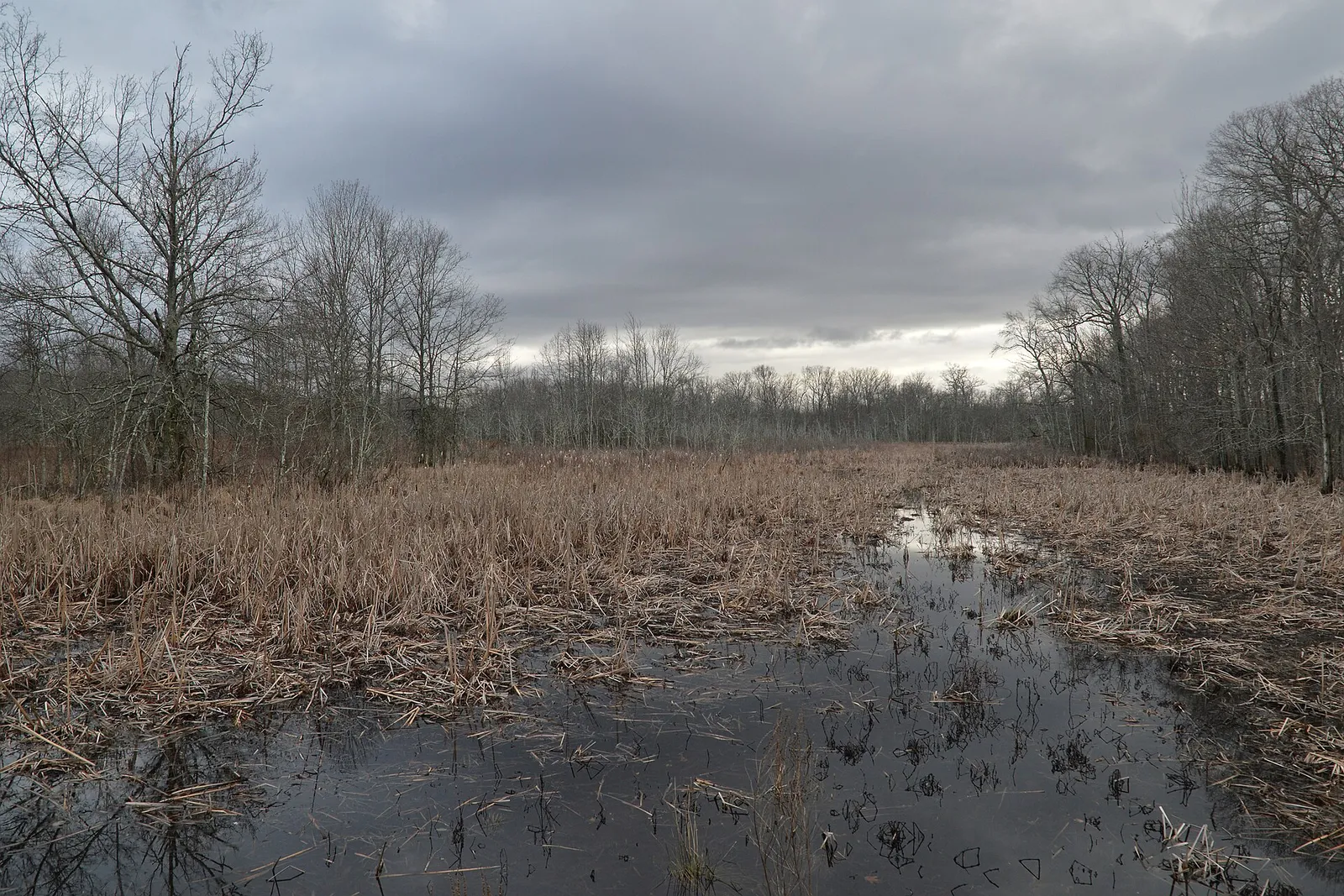
Great Swamp is beautiful, but its importance goes beyond scenery. Wetlands help filter water, absorb stormwater, support biodiversity, and provide habitat for species that rely on marshes, ponds, forests, and meadows.
That ecological role is part of what makes the refuge so valuable to the surrounding communities of Basking Ridge, Harding Township, Long Hill, Chatham, Madison, Morristown, and greater Morris County.
Planning a Visit to Great Swamp National Wildlife Refuge
Admission is free, making this one of the most rewarding budget-friendly outdoor experiences in New Jersey. The Wildlife Observation Center is especially approachable, with accessible trails and observation blinds that make wildlife viewing easier for visitors of different ages and mobility levels. (Tripadvisor)
Bring water, binoculars, bug spray in warmer months, and patience. This is not a zoo. Wildlife appears on its own schedule, which is part of the magic.
Conclusion: A Quiet New Jersey Treasure Worth Protecting
Great Swamp National Wildlife Refuge reminds us that New Jersey’s most memorable destinations are not always loud, crowded, or commercial. Sometimes they are quiet boardwalks, still ponds, migrating birds, and the feeling of stepping into another world just minutes from home.
As Dennis Mark Interdonato sees it, this refuge is more than a place to visit. It is a local inheritance, one protected by people who cared enough to act, and one we should continue to respect, explore, and preserve.