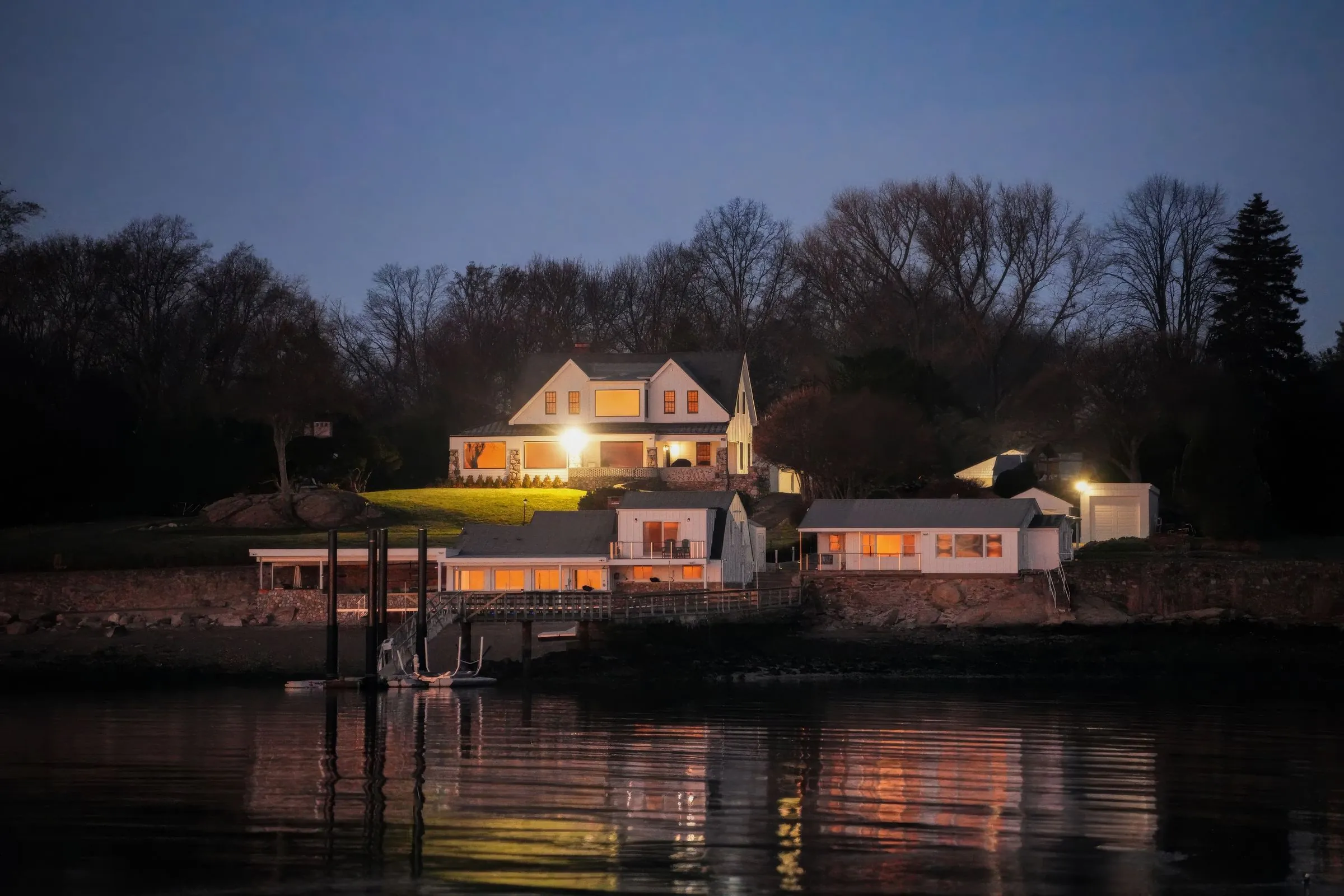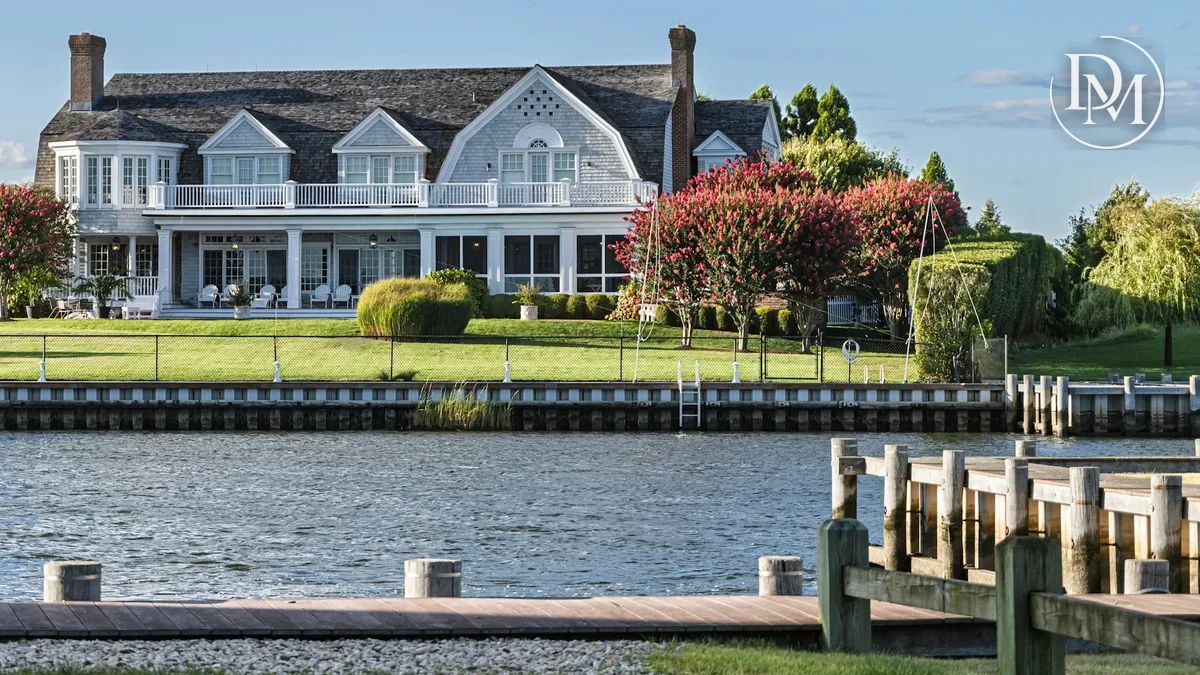
Coastal home with wraparound decks behind a wooden bulkhead and dock at golden hour, beside a line drawing of a raised lagoon home, its dock and a boat

Jersey Shore Homes On The Waterfront

Lagoon, bay or river, a home on the water buys and sells differently. The bulkhead, the dock, the flood zone and the paperwork all move the price, and the answers belong on the table before the first showing, not after the offer.

Areas We Serve

MonmouthOceanMiddlesexBurlingtonMercerSomersetCamdenGloucesterBergenEssex counties, New Jersey

See where we work

About Dennis Mark

Dennis Mark Interdonato is a REALTOR® and Master CDRE® who leads The Dennis Mark Group at Keller Williams Realty Ocean Living in Point Pleasant, NJ, helping buyers and sellers throughout New Jersey make their next move, with Monmouth and Ocean County as home base. Waterfront homes are one of his specialties: lagoon, bay and river homes at every price, worked from his team office in Brick and his brokerage in Point Pleasant. A former New Jersey home builder and residential remodeler, he reads bulkheads, docks and raised homes with a builder's eye, and on a waterfront listing he gathers what buyers will ask for, like the dock and bulkhead paperwork, the flood zone designation and the elevation, before the first showing.

Waterfront

A Home On The Water Is Its Own Market

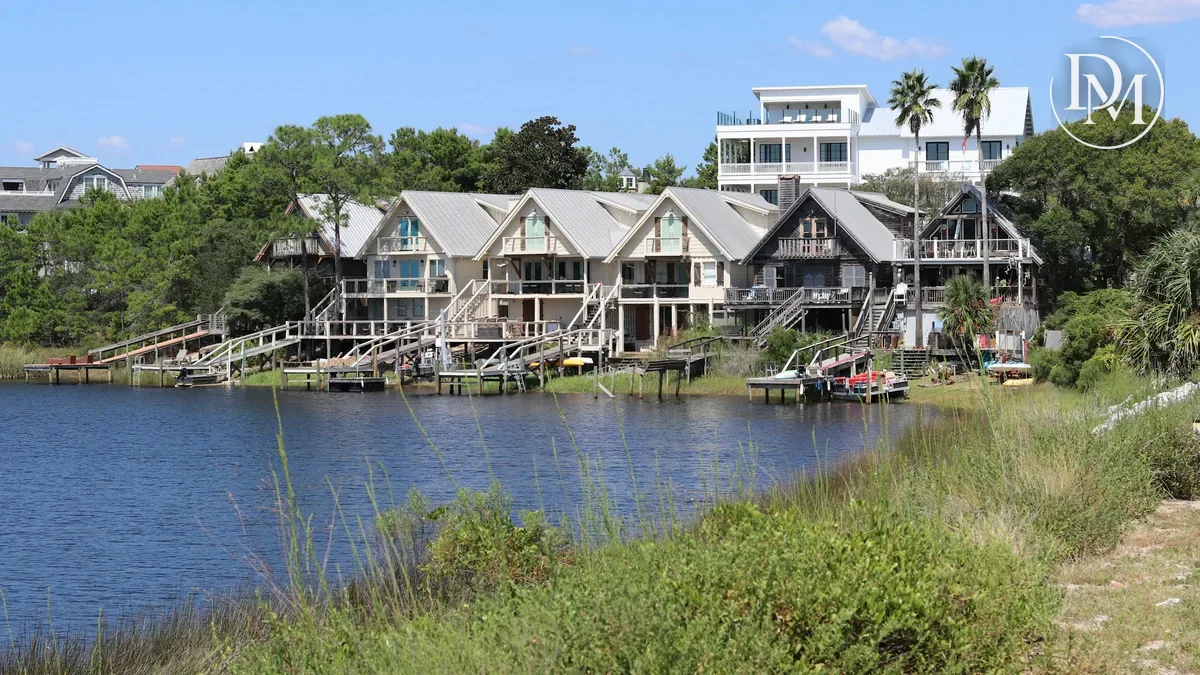
Waterfront value isn't one number. A lagoon home, a bayfront home and a home on the river price differently, and so can two homes on the same lagoon. Water depth, the route out to open water, the bulkhead, the dock, the elevation and the flood zone all move the number. The price has to rest on what the frontage really offers, not on the word "waterfront" in the listing.

That's why flood insurance and the elevation certificate belong in the price conversation before an offer, for buyers and sellers alike. When they come up after the contract, they turn into renegotiations.

I'm Dennis Mark Interdonato, REALTOR® with Keller Williams Realty Ocean Living and a former New Jersey home builder and residential remodeler. A waterfront home is a house plus everything holding it at the water's edge, and I look at both.

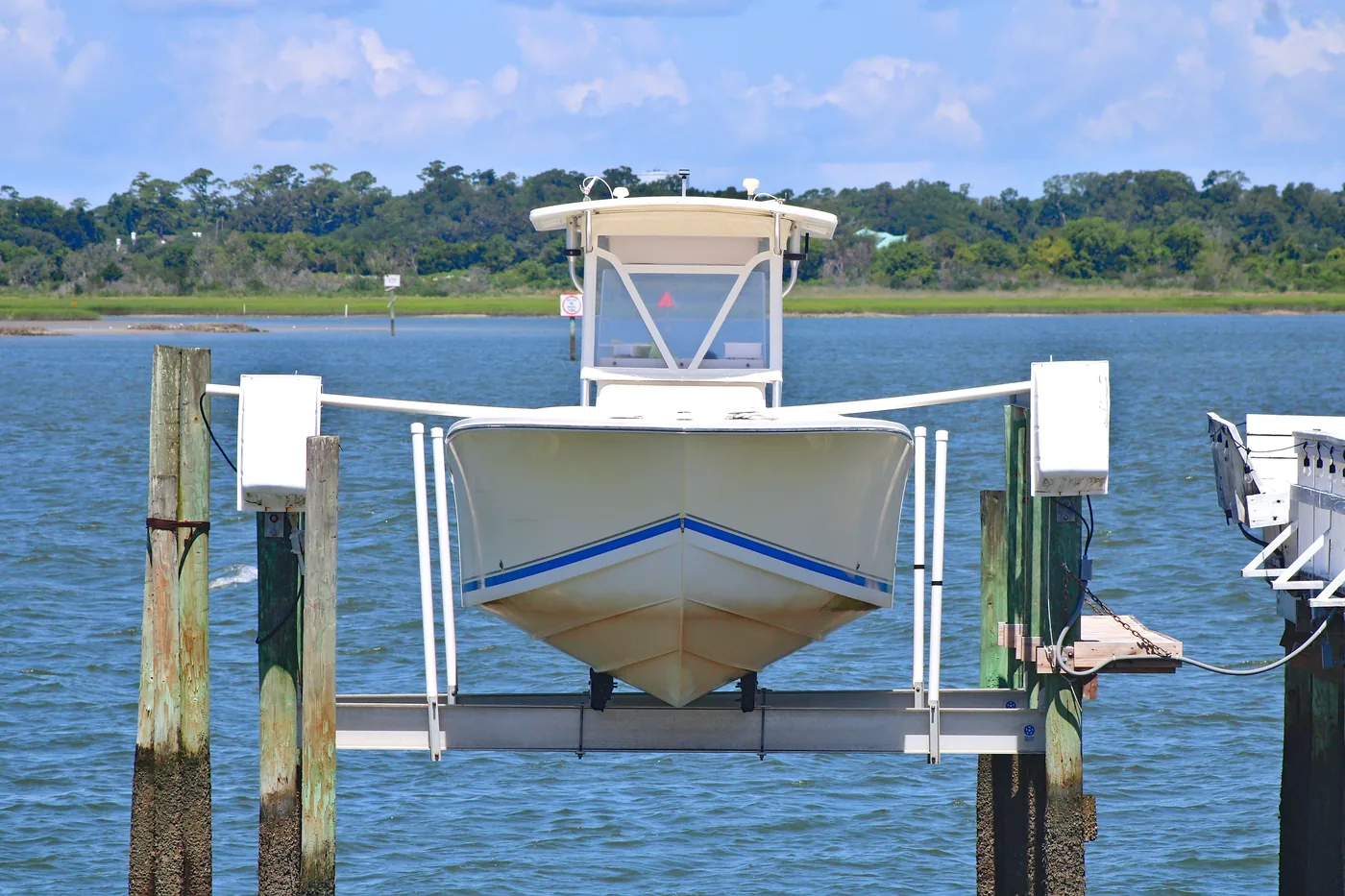
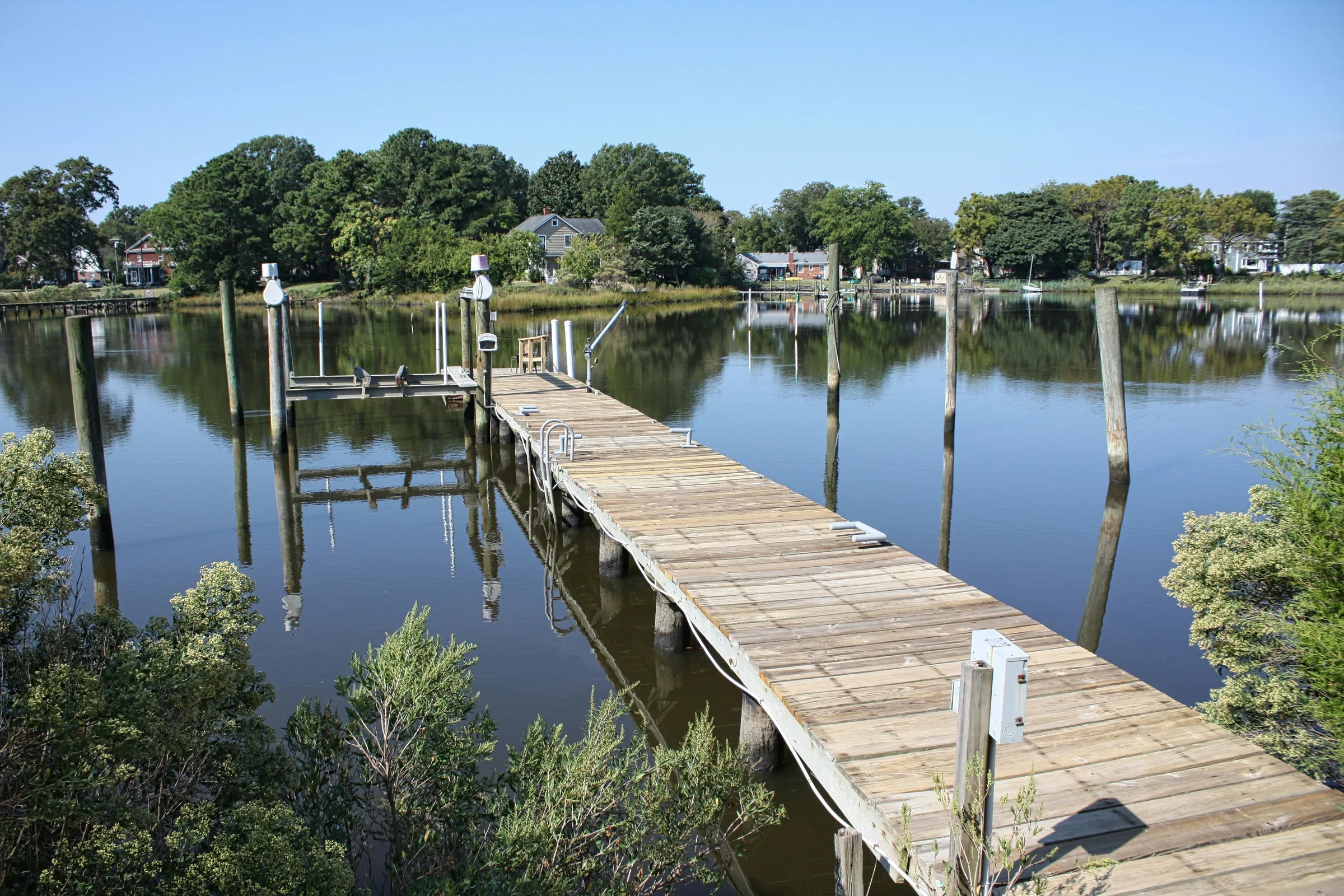
Long wooden dock on pilings with a boat lift, reaching across calm water

Bulkheads And Docks

Bulkheads, Docks And Their Permits

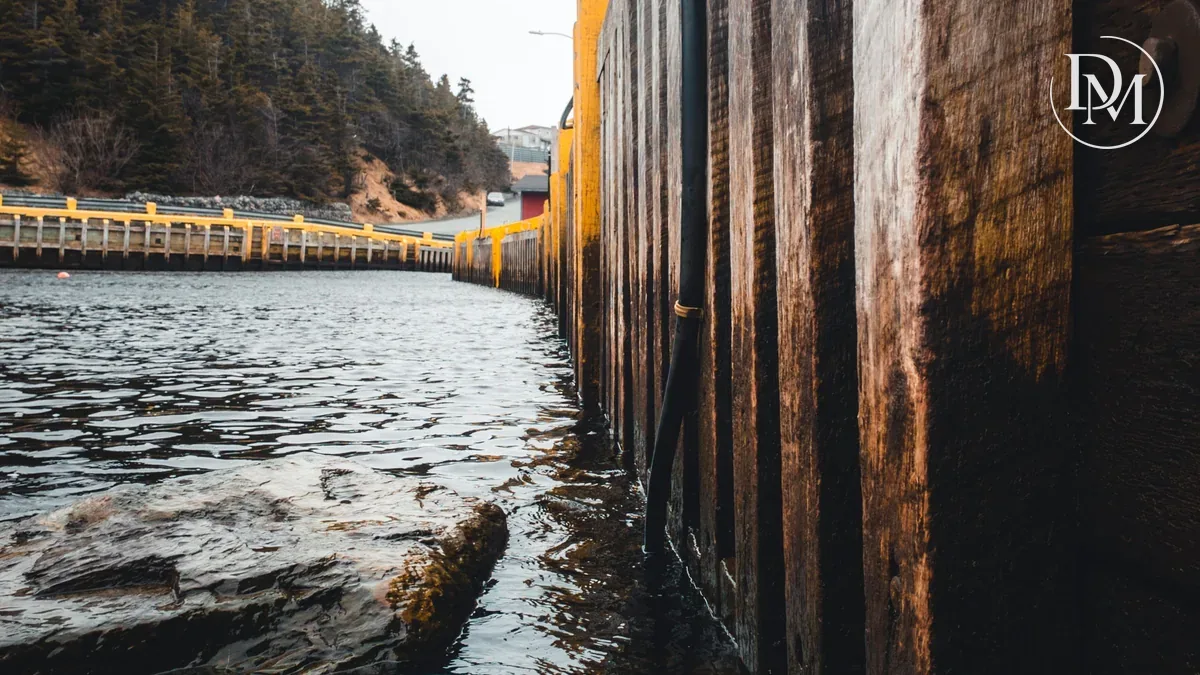
The bulkhead holds the yard at the water's edge, and the dock is often the reason a buyer wants the house. Both come with State paperwork, and both sit outside a standard home inspection. Here's what to know before you list one or make an offer on one.

  • Regulated work in New Jersey's coastal zone needs an NJDEP coastal permit, and the rules apply to man-made lagoons that the tide reaches
  • Work at or below the mean high water line, like building or changing a dock, pier, bulkhead, piling or boat lift, or dredging, needs an NJDEP permit
  • NJDEP has general permits for common residential work, such as rebuilding a legally existing, functioning bulkhead, a new bulkhead on a man-made lagoon, or a dock or boat lift in a man-made lagoon
  • A dock, pier, floating dock, boat lift or mooring pile on State-owned tidelands also needs a tidelands license, even when an earlier owner built it
  • New Jersey's home inspection standards leave out sea walls, bulkheads and docks, so they need their own look from a marine contractor or an engineer
  • Sellers: gather the permits, the tidelands license and any repair records before the first showing. Buyers: ask for them before you make an offer

Sources: NJDEP's Coastal Zone Management Rules (N.J.A.C. 7:7-2.1, 7:7-2.4 and the general permits in subchapter 6, as amended through September 21, 2026), the NJDEP Bureau of Tidelands Management and its license instructions (TD-028), and New Jersey's home inspection standards of practice (N.J.A.C. 13:40-15.16), checked October 2026. NJDEP's coastal rules were amended in 2026 and parts are still being phased in, so which permit a project needs is NJDEP's call. Ask before work starts.

Christopher B.

"Buying or selling a home is one of the most stressful experiences for anyone. I have bought and sold a few homes and the experience I had with Dennis Mark was like no other. Full transparency, I am close friends with Dennis but he still knows how to differentiate business and friendship. Dennis made this experience absolutely stress free from the uncanny marketing of our property to alleviating all stress and always ensuring us he has everything and to just let him do what he does best. That is what he did and after so many offers in such a short timeframe we successfully sold our home and could not be happier. If you are looking for a realtor that puts the CUSTOMER first, you dont have to look further. Dennis truly cares about your experience and will bend over backwards to make it unforgettable and as stress free as possible. Thank you so much for helping us turn the page on our next chapter."

Google review, lakefront home sale

Jason R.

"Dennis has a unique skill set that allows him to make you feel well taken care of in a trusting manner, while having the knowledge and eclectic experience in the real estate market. From the customer perspective, Dennis is a straight shooter who is honest, upfront, and tactfully comforting. Dennis' past experience as a general contractor provided such an added level of comfort for us during all phases. He understands the physical structure he is selling which is great when you want to know on the spot if a wall can come down, or if there is a load bearing wall. ..."

Google review

Joseph C.

"Dennis was an amazing agent to work with. He is very knowledgable, considerate and honest. I felt very comfortable and trusted his opinions with his contracting experience. I cant thank Dennis enough for finding us the perfect home, best decision I ever made."

Google review, bought a home

Audra G.

"I had the pleasure of having Dennis Mark sell my home in 5 days. I knew right from the beginning I hired the perfect person to get the job done! He laid out an easy to follow plan of what we needed to do on our end and he literally took care of everything else. He was always available and prompt with texts, phone calls, and showing up exactly when he said he would. His marketing of my home was beyond anything that I expected!! I was literally the only one that had video in addition to the photos which were all amazing!! I had 2x the amount of views and saves. It was on all social media platforms. During our open houses he was texting us all day to let us know how it was going. I ended up receiving 6 amazing offers over asking. ..."

Google review, sold a home

What Moves A Waterfront Price

Frontage

Lagoon, Bay Or River

Each kind of water sells differently: the view, the boat traffic and the run out to open water. A waterfront home is priced against homes on the same kind of water.

Access

Depth And The Way Out

How much water sits off the dock, and the route to the bay or the ocean, bridges included, decide which boats a home can keep.

The Edge

Bulkhead And Dock

Their age, their condition and their paperwork. A buyer's attorney will ask for the permits and the tidelands license, so we gather them early.

Elevation

How High It Sits

A raised home and its elevation certificate can change what flood insurance costs, and that cost is part of what a buyer can pay.

Flood Zone

The Letters On The Map

Zones that start with A or V are FEMA's high-risk areas, and the zone decides whether a lender requires flood insurance. We look it up before the price is set.

Builder's Eye

Read Like A Builder

I'm a former New Jersey home builder and residential remodeler. Pilings, raised foundations and renovation work: I read what's there, so the price matches it.

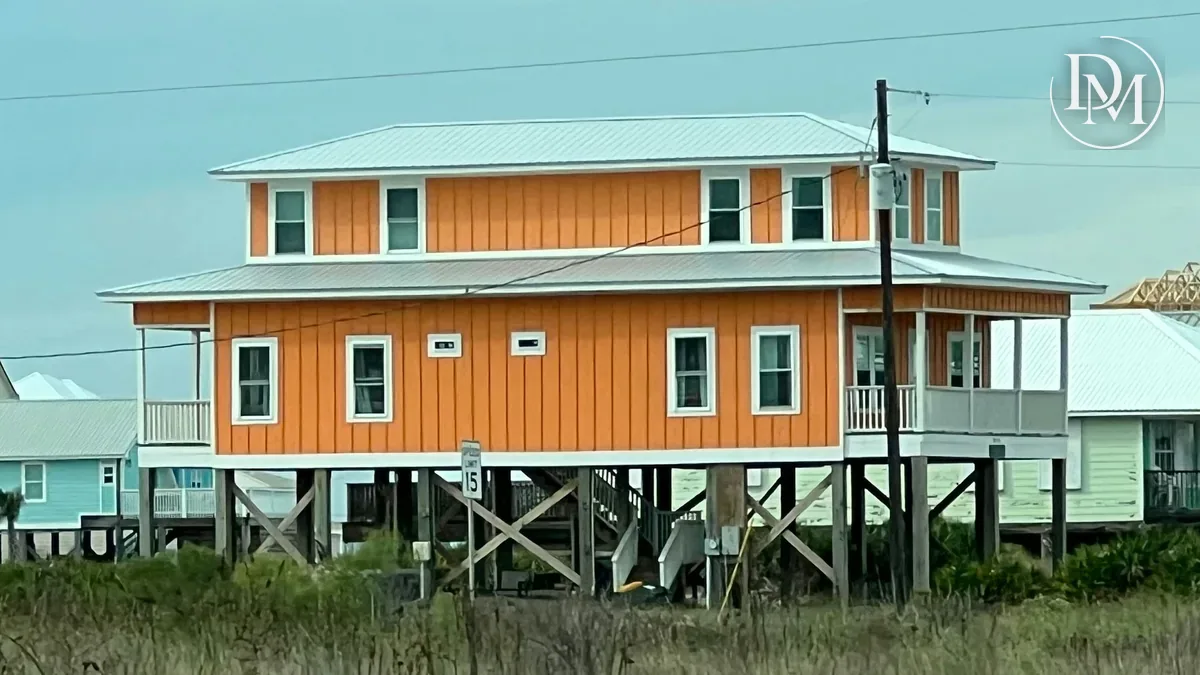
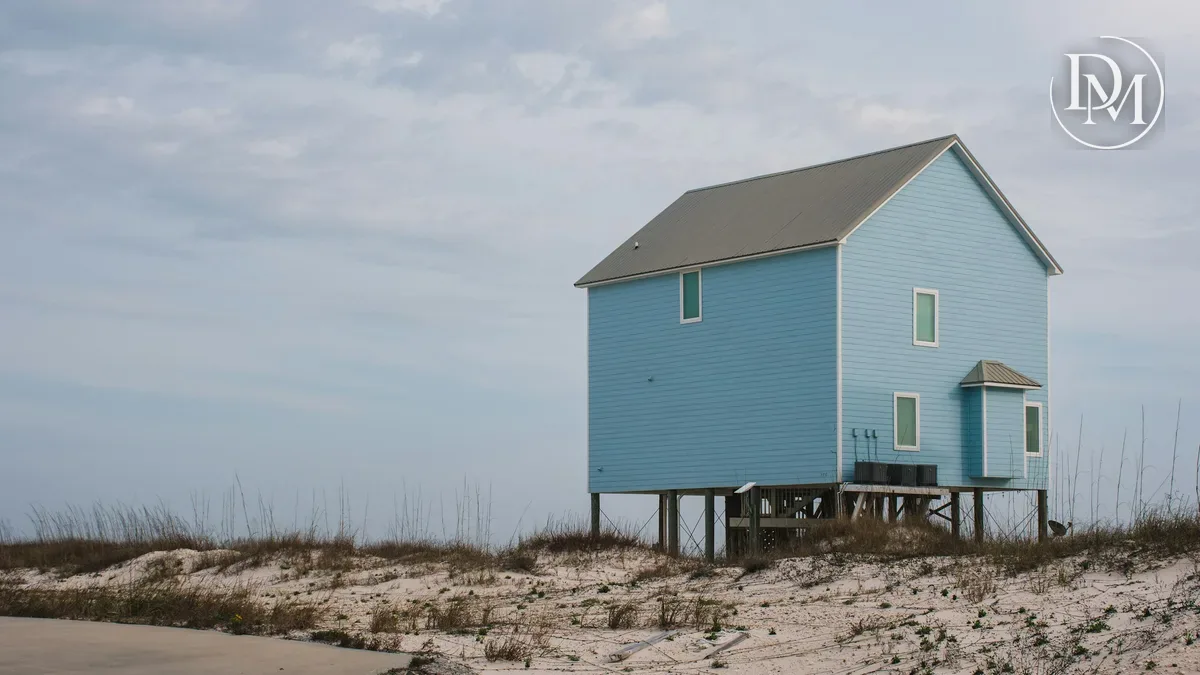
Beach house raised on tall wooden pilings, with the rising sun shining through the supports

Flood Zones And Insurance

Know The Flood Zone Before You Offer

Flood insurance is part of what a home on the water costs to own, so it belongs in the decision, not in a surprise after it. Here's how it works in general terms. Your insurance agent turns it into a real number for the home you want.

  • Search the address on FEMA's Flood Map Service Center to see the official flood map for that property
  • Zones that start with A or V are FEMA's high-risk areas; shaded Zone X is moderate and unshaded Zone X is minimal
  • In FEMA's high-risk area, a mortgage from a federally regulated or insured lender comes with required flood insurance
  • Standard homeowners policies don't cover flooding; flood coverage is its own policy
  • A new flood policy usually takes 30 days to start, unless it's bought along with the mortgage at closing
  • A buyer may be able to take over the seller's current flood policy
  • Since March 20, 2024, New Jersey sellers disclose the flood zone and what they know about the home's flood risk before the buyer is bound by the contract, and share the elevation certificate if there is one

General information, not insurance advice. Sources: FEMA's Flood Map Service Center, FloodSmart (the National Flood Insurance Program), the NJ Department of Banking and Insurance, and New Jersey's flood risk disclosure law (P.L. 2023, c. 93, in use since March 20, 2024), checked October 2026. New NFIP policies depend on the program's authorization by Congress.

Elevation And Raised Homes

Elevation Certificates And Raised Homes

An elevation certificate shows how high a building sits compared with how high local floodwaters are expected to get. It doesn't set the flood insurance rate, but it can identify discounts. Ask the seller, or the town's floodplain manager, whether one is on file. If not, a land surveyor, engineer or architect can complete one. A completed certificate doesn't expire when the home changes hands, unless the building itself changes.

Plenty of homes near the water sit on pilings or a raised foundation. In New Jersey, raising an existing house counts as an addition under the construction code's rehabilitation subcode, and that work takes a construction permit and inspections. On a raised home, ask for the permits, the town's final sign-off and an elevation certificate from after the work was done.

Planning a big renovation? When improving or repairing a home in a high-risk flood zone costs 50 percent or more of the building's market value, the town has to make sure the National Flood Insurance Program's floodplain requirements are applied to the building. The town makes that call, so ask before you buy on a renovation plan.

Step One: A Walk Of The Waterfront

We walk the house and everything at the water's edge: the bulkhead, the dock, any lift, and the way out to open water. A builder's eye catches what a listing photo won't.

Waterfront At The Shore

Waterfront homes are their own market. Bulkheads, docks, flood zone designations and elevation all shape value and insurance, and buyers ask about every one of them. Sellers do best with those answers ready before the first showing. Buyers do best asking those questions before they make an offer. I make sure both happen.

From the ocean towns to the bays and rivers, I cover every town in Monmouth and Ocean County. Selling your current home to buy on the water? Most of my clients sell and buy at the same time, and one written plan covers both closings: see Selling and Buying at the Same Time.

Read what buyers should know about waterfront homes, or see where we work.

Photo: Dennis Mark Interdonato

Waterfront Home Questions

What waterfront buyers and sellers ask first, and what people search for most. Legal, insurance, survey and lending questions belong with your attorney, insurance agent, surveyor or lender.

Who is a good waterfront realtor in Brick or Point Pleasant, NJ?

Dennis Mark Interdonato works out of a team office in Brick and his brokerage in Point Pleasant, and waterfront homes are one of his specialties. Before the first showing on a waterfront listing, he gathers what buyers will ask for: dock and bulkhead paperwork, the flood zone designation and the elevation.

Who should I hire to sell a lagoon or bayfront home in Ocean County?

Someone who prices the water, not only the house. Dennis Mark Interdonato compares a waterfront home with homes on the same kind of water, puts the dock, the elevation and the flood zone into the number, and has the permits and flood paperwork ready before the first showing. He's a former New Jersey home builder and residential remodeler, so the bulkhead and the pilings get read as closely as the kitchen.

Can one agent sell my current home and help me buy a waterfront home?

Yes. Most of Dennis Mark's clients sell and buy at the same time, and he builds one written plan for both closings. See Selling and Buying at the Same Time.

What should I ask before buying a waterfront home?

Ask about the condition of the bulkhead and any dock, the flood zone and elevation, and what insurance will cost, all before you make an offer. Your inspector and insurance agent have the final word on each.

Are lagoon homes different from bayfront homes?

Yes, in ways that change the price. A lagoon is a man-made waterway, usually lined with bulkheads and docks, with a route out to the bay. A bayfront home faces open water. The view, the water depth, the run to open water and the paperwork all differ, so each is priced against homes on the same kind of water. Even the State's coastal rules have permits written for man-made lagoons, such as docks, boat lifts and bulkheads (N.J.A.C. 7:7).

Do docks add value to a waterfront home?

To a buyer who boats, the dock can matter as much as the house. What it's worth depends on its condition, whether it's permitted and licensed, and how much water sits off it. A dock without its paperwork can turn into a question at the closing table, so price it against comparable sales with similar docks, and have the paperwork ready.

Do waterfront homes need special inspections?

Usually, yes. New Jersey's home inspection standards leave sea walls, break-walls, bulkheads and docks out of a standard home inspection (N.J.A.C. 13:40-15.16). Have a marine contractor or an engineer look at them inside your inspection period.

Do I need a permit to repair or replace a bulkhead?

Usually. Building or changing a bulkhead, dock, pier, piling or boat lift at or below the mean high water line needs an NJDEP coastal permit (N.J.A.C. 7:7-2.4). NJDEP has general permits for common cases, such as rebuilding a legally existing, functioning bulkhead, or a new bulkhead on a man-made lagoon, and a narrow exemption covers replacing in kind some docks, piers and bulkheads that legally existed before January 1, 1981 (N.J.A.C. 7:7). Ask NJDEP or your contractor which one fits before work starts.

What is CAFRA?

The Coastal Area Facility Review Act. It lets NJDEP regulate residential, commercial, public and industrial development in the CAFRA area, which begins where Cheesequake Creek meets Raritan Bay in Old Bridge and runs south along the coast around Cape May. Separately, the Waterfront Development Law covers docks, wharves, piers and bulkheads on or next to tidal waterways throughout the state (NJDEP Coastal Management Program). Whether a project needs a CAFRA permit depends on where it is and what it is, so ask NJDEP before you plan around it.

Does a dock, boat lift or bulkhead need a State license?

Often, yes. NJDEP's tidelands license instructions cover fixed structures on State-owned tidelands, such as docks, piers, floating docks and boat lifts, and bulkhead extensions past the mean high water line. An application needs a valid waterfront development permit, and licenses are required for past construction too, whether or not the current owner built it (NJDEP Tidelands, TD-028). When I list a waterfront home, I ask the seller for that paperwork before the first showing, because the buyer's attorney will ask for it.

Who owns the land under the water in front of a waterfront home?

In New Jersey, tidelands, meaning all lands currently and formerly flowed by the mean high tide of a natural waterway, are the property of the State (N.J.S.A. 12:3-10 and 13:1B-13). The State rents them through a tidelands license and can sell formerly flowed tidelands through a riparian grant (NJDEP Tidelands, license instructions TD-028). Your attorney and title company check the tidelands status on any waterfront purchase.

What is a riparian grant?

A deed from the State of New Jersey selling formerly flowed tidelands. It isn't required, but it can clear the State's tidelands claim from a property's title (NJDEP Tidelands). If a waterfront home's title shows a tidelands claim, your attorney and title company will explain what it means for that sale.

What is lagoon dredging, and who handles it?

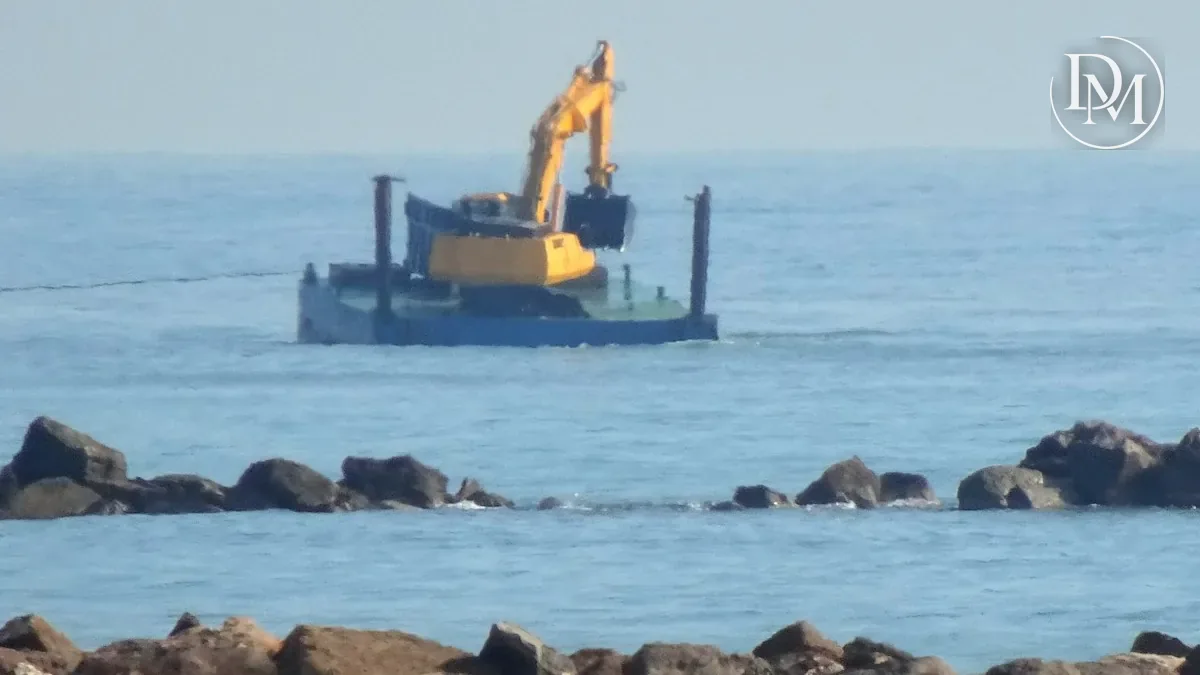
Maintenance dredging removes sediment that has built up in a lagoon, canal or channel that was legally dredged before, back toward its earlier depth (N.J.A.C. 7:7-12.6). Dredging at or below the mean high water line needs an NJDEP permit: a general permit covers minor maintenance dredging in man-made lagoons, larger projects need their own waterfront development permit, and NJDEP's rules decide where the dredged material can go (N.J.A.C. 7:7). The State maintains its designated State channels, the routes between lagoons or marinas, the Intracoastal Waterway and the ocean (NJDOT). For a particular lagoon, ask the town who handles dredging there, whether a project is planned, and how it would be paid for, before you buy.

What affects the cost of flood insurance?

FloodSmart says an NFIP premium is unique to the property, based on the building and the policy: things like the foundation type, the first floor height, the distance to water and the cost to rebuild. There's a mitigation discount for elevating machinery and equipment, for installing proper flood openings, or both (FloodSmart). A seller's premium won't necessarily be yours, so get a quote on the home you want before your inspection period ends.

How do I find out if a home is in a flood zone?

Search the address on FEMA's Flood Map Service Center, which shows the official flood map for that property. FloodSmart lists zones that start with A or V as the high-risk flood areas on FEMA's maps (FloodSmart). On a waterfront home I look this up early, along with whether there's an elevation certificate on file, and your insurance agent turns it into a real number.

Do I need flood insurance on a waterfront home?

If the home is in a high-risk flood zone in a community that takes part in the National Flood Insurance Program (NFIP), flood insurance is mandatory with a government-backed mortgage; New Jersey's disclosure law puts it as a mortgage from a federally regulated or insured lender (P.L. 2023, c. 93). FloodSmart also notes that a buyer moving into a higher-risk zone may be able to assume the prior owner's current NFIP policy (FloodSmart). Get a quote from your insurance agent early, so the cost is part of your decision instead of a surprise after it.

Does homeowners insurance cover flooding?

No. New Jersey's Department of Banking and Insurance says flooding is not covered under standard homeowners policies; flood coverage is a separate policy, from the NFIP or a private flood insurer (NJ DOBI). Ask your insurance agent for both quotes on the home you want.

How long does it take to get flood insurance?

A new NFIP policy usually takes effect 30 days after it's bought. There's no wait when it's bought in connection with making, increasing, extending or renewing a loan, such as at your mortgage closing (FloodSmart). Line up the quote while you're under contract.

Can I take over the seller's flood insurance policy?

Often, yes. FloodSmart says a buyer may be able to assume the prior owner's NFIP policy (FloodSmart), and FEMA allows a written assignment of the policy when the title transfers, except for contents-only policies and buildings under construction (FEMA). Ask your insurance agent to compare it with a new policy before closing.

What is an elevation certificate?

It's a document that shows how high a building sits compared with how high local floodwaters are expected to get. FloodSmart says elevation certificates don't set your rate, but they can identify discounts (FloodSmart). Ask the seller, or the town's floodplain manager, whether one is on file. If not, a land surveyor, engineer or architect can complete one.

What does a New Jersey seller have to disclose about flooding?

Since March 20, 2024, the seller's property condition disclosure statement says whether the home is in FEMA's Special or Moderate Risk Flood Hazard Area and what the seller actually knows about its flood risks, and the seller has to provide it before the buyer is bound by the contract. The questions cover flood insurance, flood claims, federal disaster assistance and past flooding, and if there's a FEMA elevation certificate, it must be shared with the buyer (P.L. 2023, c. 93; NJ DCA). The form itself comes from the NJ Division of Consumer Affairs. Read it closely, and ask about any yes answer.

Does raising a house need a permit in New Jersey?

Yes. New Jersey's Department of Community Affairs treats elevating an existing house as an addition under the rehabilitation subcode, and the new foundation, the pilings and the connections to the house have to meet the requirements for new construction (NJ DCA Bulletin 13-1A, Elevating Existing Houses). The construction code makes it unlawful to enlarge or alter a building without the required permit (N.J.A.C. 5:23-2.14). On a raised home, ask for the permits and the town's final sign-off.

What is the 50 percent rule for homes in a flood zone?

When the cost of improving or repairing a building in a high-risk flood zone reaches 50 percent or more of its market value, FEMA's rules call it substantially improved or substantially damaged, and the town, which makes that determination, has to make sure the NFIP's floodplain requirements are applied to the building (FEMA). If you're buying with a big renovation in mind, ask the town's floodplain manager before you sign.

This page describes my general approach to waterfront sales and purchases. It is not legal, insurance, engineering, surveying or lending advice. Confirm flood zones, elevation, permits and insurance with the town, a licensed land surveyor, NJDEP and your insurance agent, and talk with your attorney about tidelands and title. The flood information here is general; no town, lagoon or neighborhood on this page is singled out. Flood, tidelands, permit, construction and disclosure information comes from the sources below, checked October 2026, and can change.

Sources: FEMA Flood Map Service Center · FloodSmart: What is my flood zone? · FloodSmart: Elevation certificates · FEMA Elevation Certificate and instructions · FloodSmart: Buy a policy · FloodSmart: Premium costs · FEMA glossary: Assignment · FEMA: Floodplain management for individuals · NJ DOBI: Preparing for extreme weather · P.L. 2023, c. 93 (NJ flood risk disclosure) · NJ Department of Community Affairs, December 21, 2023 · NJDEP Bureau of Tidelands Management · NJDEP tidelands license instructions (TD-028) · NJDEP Coastal Zone Management Rules, N.J.A.C. 7:7 · NJDEP Coastal Management Program · NJDOT budget testimony, April 28, 2014 · N.J.A.C. 13:40-15.16 · NJ DCA Bulletin 13-1A, Elevating Existing Houses · N.J.A.C. 5:23-2.14.

Insider Insights

Lagoons, bays and rivers: what to check, what to gather and what it takes to own on the water.

Success Stories

Real stories from the people we've helped buy and sell their homes.

I would 10/10 recommend him to anyone!!!

Dennis helped us buy our current house and has both professional work ethic and is extrememly knowledgeable. He was always there to answer any questions we had and was very patient with us in the process. I would 10/10 recommend him to anyone and he will continue to be our agent for any future needs.

SPENCER & SARAH RAITT-FOREST

57 Google reviews as of October 2026. Read them all on Dennis Mark’s Google Business Profile.

What Professionals Say About Dennis Mark

A review from a professional who works alongside Dennis Mark, not from a client.

Jason C.

"Dennis Mark is as thoughtful and knowledgeable as real estate agents come, putting his clients' interests at the forefront of every decision. His network of trusted professionals (inspectors, legal, title) clear the way for clients to the closing table. Dennis is my first call when a client or friend needs real estate assistance."

Jason C., professional colleague, Google review

Start With The Number

What's Your Waterfront Home Worth?

What's My Home Worth?

Have Questions About Waterfront Homes? Contact Us Below

Tell me about the waterfront home you're selling or the one you're looking for, and I'll answer your questions. Want to read more first? See what buyers should know about waterfront homes, how I sell homes, or the contact page.

Have a question? Get your answers right now.Dennis Mark’s AI Concierge answers your questions without you having to commit to anything up front.

Schedule a Call with Dennis Mark

Or send Dennis Mark a message: