What Is a Riparian Grant? Tidelands Grants, Licenses and Claims in New Jersey
Published | Posted by Dennis Mark Interdonato
- Luxury
- Waterfront
- Tidelands
- Riparian Rights
- Waterfront Homes
A riparian grant is a deed from the State of New Jersey selling land the State owns as tidelands, land that is or was once flowed by the mean high tide. If part of a property was once tidal, the State may hold a claim to that part even though it's been filled and built on, and a riparian grant is how an owner can buy it and clear the title. Docks, lifts and bulkheads that sit on tidal water today are handled differently, with a tidelands license.
I'm Dennis Mark Interdonato with The Dennis Mark Group. On waterfront homes in Monmouth and Ocean County, tidelands paperwork is one of the first things a buyer's attorney asks about. Here's how the State's system works, in the words of the NJDEP Bureau of Tidelands Management.
What are tidelands?
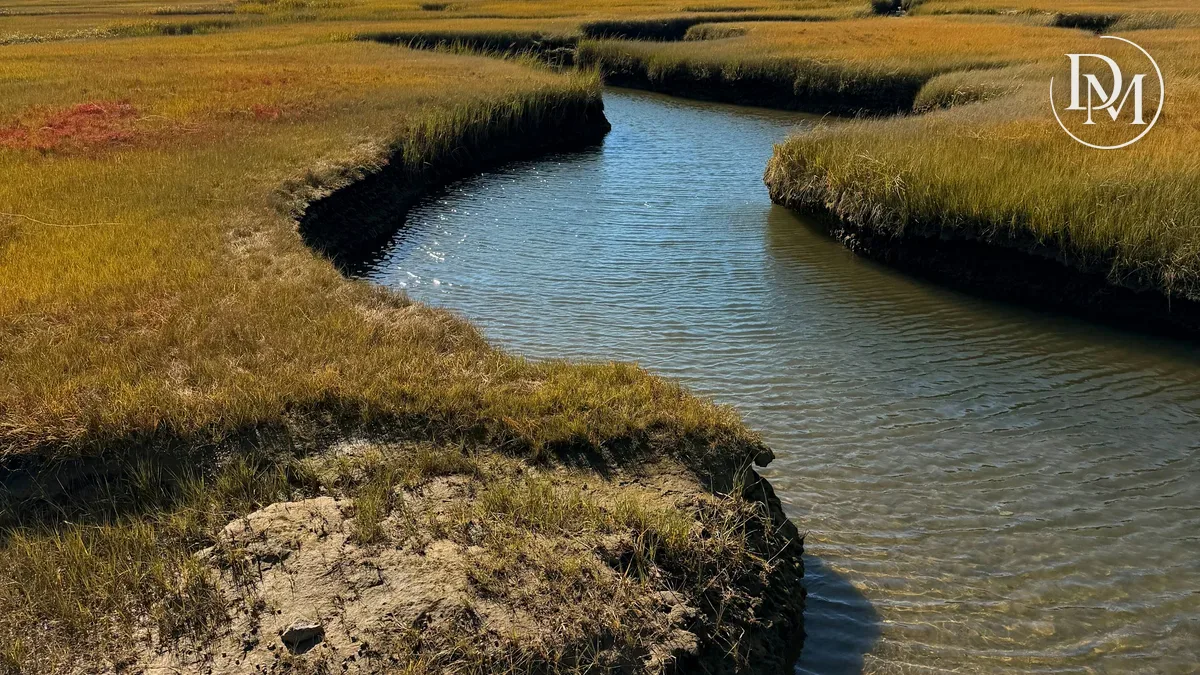
NJDEP defines tidelands, also called riparian lands, as all lands that are now or were formerly flowed by the mean high tide of a natural waterbody. That includes the ocean, bays, tidal sections of rivers and creeks, and marshlands reached by the tide. The State owns the land flowed by the tide up to the high-water line, and it claims the formerly flowed tidelands shown on its Tidelands Claims Maps.
NJDEP's own example of currently flowed tidelands is Barnegat Bay. Its example of formerly flowed tidelands is a small tidal stream in Newark that was filled in and built over a century ago and is still claimed by the State. These lands are held in trust for the people of the state, and the Tidelands Resource Council, a board of twelve volunteers appointed by the Governor, makes the final decisions, working with the Bureau's staff.
What is a tidelands claim?
When part of a property was once flowed by the tide, that part is State-owned even if it's been filled and the old waterway is gone. NJDEP calls that section a Tidelands Claim, and it says a claim is a cloud on the owner's title whether or not the owner knew about it when they bought.
What is a riparian grant, and do you need one?
A riparian grant is the State's deed for the sale of its formerly flowed tidelands. NJDEP says getting one is not mandatory, but an owner may want one to clear the title of a property that carries a tidelands claim. Two more points from the State:
- Current policy is to issue grants only for filled tidelands. The State no longer sells currently flowed tidelands.
- Where a valid conveyance such as a riparian grant already exists, it can eliminate the claim on that parcel. If an older grant's validity is in doubt, NJDEP points owners to a new grant application.
Whether you need one for your sale or purchase is a question for your attorney and title company.
What is a tidelands license?
A tidelands license is a short-term rental agreement from the State for using State-owned tidelands, usually tidelands that are flowed today. NJDEP lists the uses that need one, including:
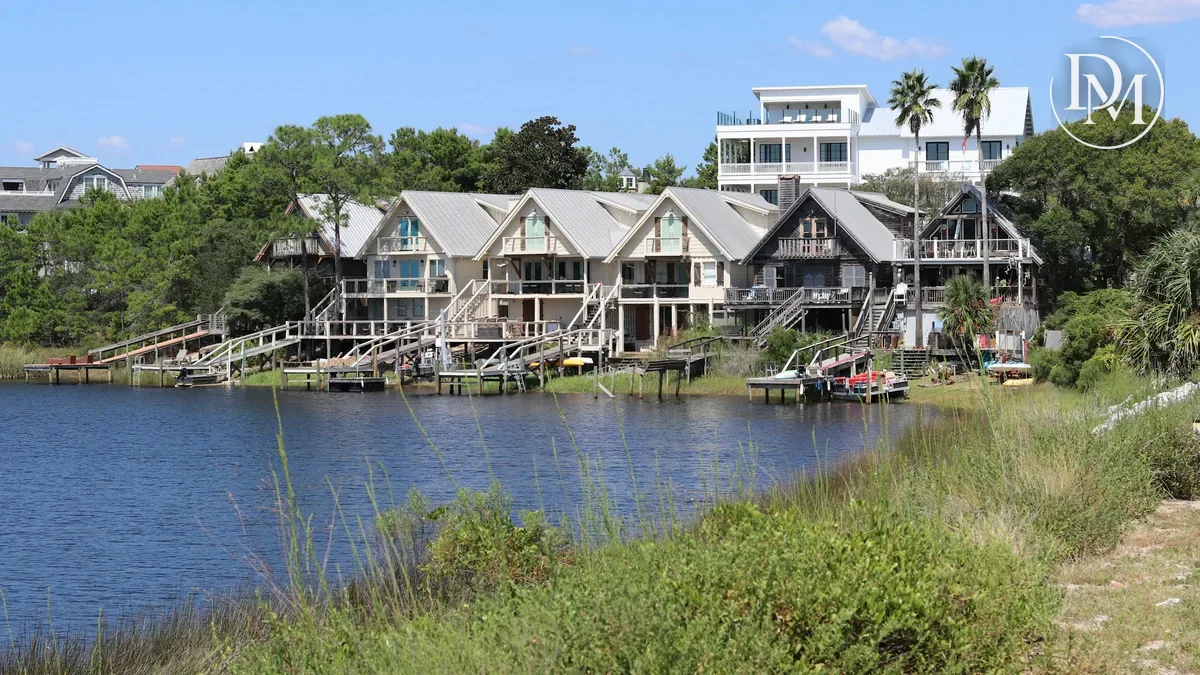
- Fixed structures on currently flowed tidelands, such as docks, piers, mooring piles, floating docks, boat lifts and riprap. NJDEP counts a structure as fixed when it occupies tidelands for more than ten consecutive days, which includes jet ski floats. Boats and rafts aren't fixed structures.
- Bulkhead reconstruction or extensions, and the fill behind them, that go past the mean high water line. NJDEP notes that bulkhead extensions can be bought from the State, but they're rented under a license until a riparian grant is delivered.
NJDEP's online portal handles new applications, renewals and the transfer of a license to a new owner, which matters when a waterfront home changes hands. Permits for building the dock or bulkhead are a separate step, covered in do you need a permit for a dock, boat lift or bulkhead in New Jersey.
What is a tidelands lease?
A lease is the long-term version, used for projects with long-term financing, such as a home built over the water. NJDEP says leases are required for proposed construction and for past construction, regardless of whether the current owner built it, and that the State does not grandfather homes over water.
What is a Statement of No Interest?
It's an official document stating that a property or area is free of all State tidelands claims. NJDEP issues one only when the applicant proves beyond all doubt that the State has no claim, and the burden of proof is on the applicant. It's considered in limited situations, such as when the State's claim is close to the property or the owner questions the validity of a mapped claim.
Are man-made lagoons tidelands?
Not automatically. NJDEP says an artificial lagoon dug out of unclaimed uplands isn't tidelands, as long as the land wasn't affected by a formerly claimed area, such as a natural creek that once ran through it. If the home you're buying or selling sits on a lagoon, the claims maps and your attorney sort out which situation applies.
How do you find out if a property has a tidelands claim?
NJDEP offers a public online mapping tool, the NJDEP Tidelands Data Viewer, and its Tidelands Claims Maps. For a grant, lease or license application, NJDEP's survey checklist calls for a survey signed and sealed by a New Jersey licensed land surveyor, showing the mapped claim line, the mean high water line and any existing tidelands conveyances. On a purchase, your attorney and title company check the tidelands status. When I list a waterfront home, I ask the seller for any grant, license or lease paperwork before the first showing, because the buyer's attorney will ask for it. The rest of that list is in the documents to gather before you list a waterfront home.
See how I work with waterfront homes on the waterfront page and in the Luxury & Waterfront Guide.
Frequently Asked Questions
Do I need a riparian grant to sell my house?
NJDEP says a grant isn't mandatory, but it may be wanted to clear title when a property carries a tidelands claim. Your attorney and title company advise on your sale.
Can a tidelands license be transferred to the buyer?
Yes. NJDEP's online portal includes transferring a license to a new owner.
Does a floating dock need a tidelands license?
NJDEP lists floating docks among the fixed structures that need a license when they occupy currently flowed tidelands for more than ten consecutive days.
Who makes the final decision on tidelands matters?
The Tidelands Resource Council, a twelve-member board appointed by the Governor, working with NJDEP's Bureau of Tidelands Management.
This is general information, not legal, tax or lending advice. Your attorney and title company advise on tidelands questions for your property. NJDEP information checked October 10, 2026.
About the author
Dennis Mark Interdonato is a REALTOR® and Master CDRE® who leads The Dennis Mark Group at Keller Williams Realty Ocean Living in Point Pleasant, NJ, helping buyers and sellers throughout New Jersey make their next move, with Monmouth and Ocean County as home base. Read more about Dennis Mark.
Keep reading
- Waterfront homes in New Jersey: what buyers should know
- How Dennis Mark helps buyers
- Selling a waterfront home? Start with a free home value.
- Have a question this didn't answer? Send it to Dennis Mark and it may become the next article.