Bulkhead Checks Before You Buy a Waterfront Home: What to Ask For and Who Looks at It
Published | Posted by Dennis Mark Interdonato
- Waterfront
- Bulkheads
- Home Inspection
- Home Buying
A standard New Jersey home inspection leaves out sea walls, bulkheads and docks, so the bulkhead needs its own look from a marine contractor or a New Jersey licensed professional engineer. Pair that look with the paperwork, meaning the permits, the tidelands license and any repair or engineering records, and fit both inside your inspection period.
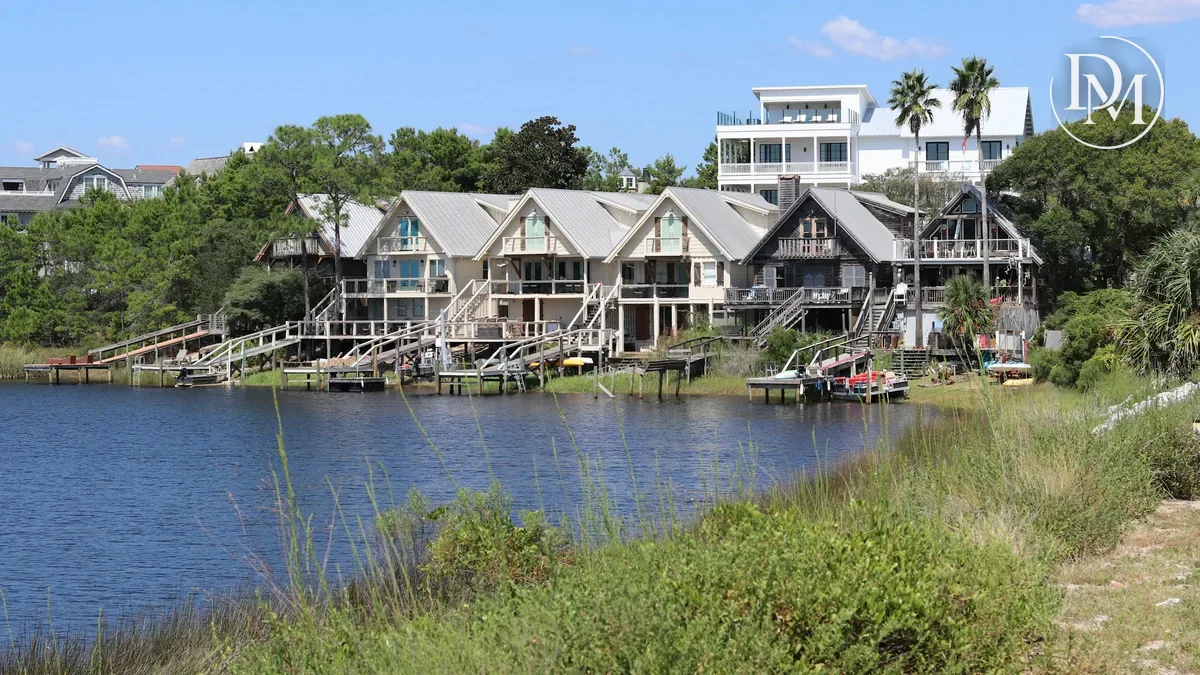
I'm Dennis Mark Interdonato with The Dennis Mark Group. On a lagoon, bay or river home in Monmouth or Ocean County, the bulkhead holds the yard at the water's edge. As a former New Jersey home builder and residential remodeler, I give clients a construction-level read on the house. The bulkhead deserves a specialist's read, and here's how to get one.
What is a bulkhead?
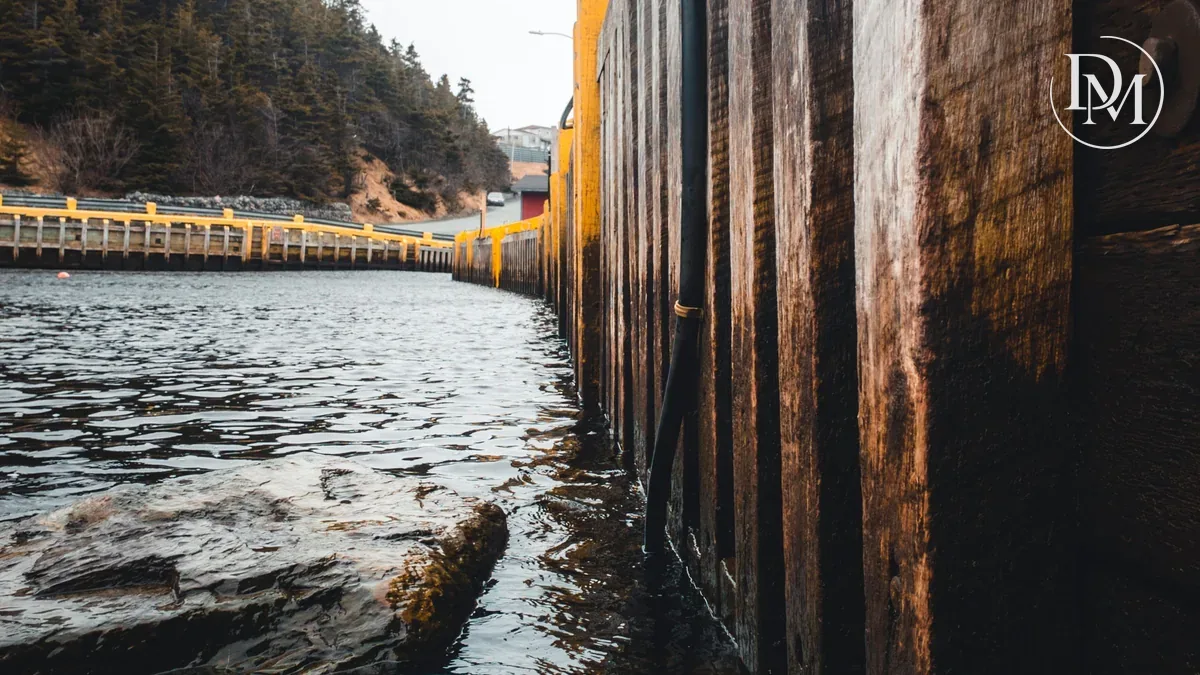
NJDEP's Coastal Zone Management Rules define a bulkhead as a vertical shore protection structure installed to withstand the forces of waves and currents (N.J.A.C. 7:7-1.5). On a waterfront lot, it's the line between the yard and the water.
Why doesn't the home inspection cover it?
New Jersey's home inspection standards tell licensed inspectors to inspect vegetation, grading, drainage and retaining walls for their immediate effect on the house, but they exclude fences, geological and soil conditions, sea walls, break-walls, bulkheads and docks, and erosion control and earth stabilization (N.J.A.C. 13:40-15.16(f)). The same standards say inspectors aren't required to identify concealed conditions or to determine the life expectancy of any system or component.
The standards do allow an inspector to inspect more than the minimum, or to contract for additional services they're qualified to provide, so ask what yours will and won't cover. More on what a New Jersey home inspection includes is in inspections for a luxury home.
Who should look at the bulkhead?
A marine contractor who builds and repairs bulkheads, or a New Jersey licensed professional engineer. The State's coastal rules require reconstructed bulkheads that face wave run-up, in V zones, to be designed and certified by a licensed professional engineer, which tells you whose signature carries weight on the harder questions (N.J.A.C. 7:7-5.1 and 7:7-6.10).
Before they come out, ask what they'll look at, whether they'll look from the water side, and what they'll put in writing. Ask them, too, what permit route they'd expect for any repair, because the permit that fits depends on the bulkhead's legal status and its condition.
What records should you ask the seller for?
- Permits for the bulkhead. NJDEP has general permits for building a bulkhead on a man-made lagoon, building one at a single-family home or duplex lot, and reconstructing a legally existing, functioning bulkhead (N.J.A.C. 7:7-6.6, 6.14 and 6.10), plus a permit-by-certification for some reconstruction in place or upland of the existing bulkhead (N.J.A.C. 7:7-5.1).
- Tidelands documents. NJDEP requires a tidelands license for bulkhead extensions past the mean high water line until a riparian grant is delivered (TD-028). Ask for any grant, lease or license.
- The deed. Recipients of NJDEP general permit and individual permit authorizations record the file number and the approval and expiration dates on the deed of each lot (N.J.A.C. 7:7-27.9).
- The disclosure statement. New Jersey's property condition disclosure statement asks about shared or common areas such as walls and bulkheads, maintenance agreements, State riparian claims, and whether permits and approvals were obtained for alterations (N.J.A.C. 13:45A-29.1).
- Repair and engineering records. Contractor invoices, engineering reports and photographs, plus a survey that shows the mean high water line.
If the seller holds a valid NJDEP authorization for bulkhead work that hasn't been done yet, it transfers with the property, as long as the new owner sends NJDEP the required information within 30 calendar days of the transfer (N.J.A.C. 7:7-27.4).
Why does the paperwork matter for a future rebuild?
Because the general permits for rebuilding are written for bulkheads that legally exist and still function. General Permit 10 covers reconstructing a legally existing, functioning bulkhead: on a lagoon lot, in place or upland of the existing bulkhead; elsewhere, also up to 18 inches outshore for timber or up to 24 inches for vinyl that abuts the existing pilings, with other conditions (N.J.A.C. 7:7-6.10).
The rules also exempt repairing or replacing some bulkheads that legally existed before January 1, 1981, in the same location and size (N.J.A.C. 7:7-2.4(d)6). Which path applies is NJDEP's call, and the records are how you find out early. If the seller's file has gaps, selling with an unpermitted dock or bulkhead explains what the rules say from the other side of the table.
When should all of this happen?
Inside the inspection period your contract sets, so the answers come back while you can still act on them. Schedule the bulkhead look as soon as the contract is signed, ask for the records the same day, and line up your flood insurance quote with your insurance agent at the same time.
When you're ready to look, search waterfront homes, see how I approach waterfront homes, and read how I help buyers. Selling first? Start with what your home is worth, and see selling and buying at the same time.
Frequently Asked Questions
Does a home inspector check the bulkhead in New Jersey?
Not as part of a standard inspection. The State's standards exclude sea walls, break-walls, bulkheads and docks, though an inspector may inspect more, or contract for additional services they're qualified to provide.
Who inspects a bulkhead?
A marine contractor or a New Jersey licensed professional engineer. Ask before the visit what they'll look at and what they'll put in writing.
Do I need a permit to rebuild a bulkhead?
Usually. NJDEP's general permits cover reconstructing a legally existing, functioning bulkhead, with conditions, and some structures that legally existed before 1981 are exempt for in-kind replacement. NJDEP decides which applies.
What is a tidelands license for a bulkhead?
It's the State's rental agreement for a bulkhead extension that goes past the mean high water line onto State-owned tidelands, required until a riparian grant for that area is delivered.
This is general information, not legal, insurance, engineering or lending advice. A marine contractor or licensed engineer evaluates the bulkhead, NJDEP decides permits, and your attorney advises on your contract. Sources checked October 12, 2026.
About the author
Dennis Mark Interdonato is a REALTOR® and Master CDRE® who leads The Dennis Mark Group at Keller Williams Realty Ocean Living in Point Pleasant, NJ, helping buyers and sellers throughout New Jersey make their next move, with Monmouth and Ocean County as home base. Read more about Dennis Mark.
Keep reading
- Do you need a permit for a dock, boat lift or bulkhead in New Jersey?
- Waterfront homes in New Jersey: what buyers should know before you buy
- Have a question this didn't answer? Send it to Dennis Mark and it may become the next article.