Selling a Waterfront Home With an Unpermitted Dock or Bulkhead
Published | Posted by Dennis Mark Interdonato
- Waterfront
- Home Selling
- Docks
- Seller Disclosure
Start early, and start with your attorney. New Jersey requires a tidelands license for docks and other fixed structures on State-owned tidelands even when an earlier owner built them, and a missing coastal permit or license is exactly what a buyer's attorney looks for, so it's far better found and dealt with before your listing goes live.
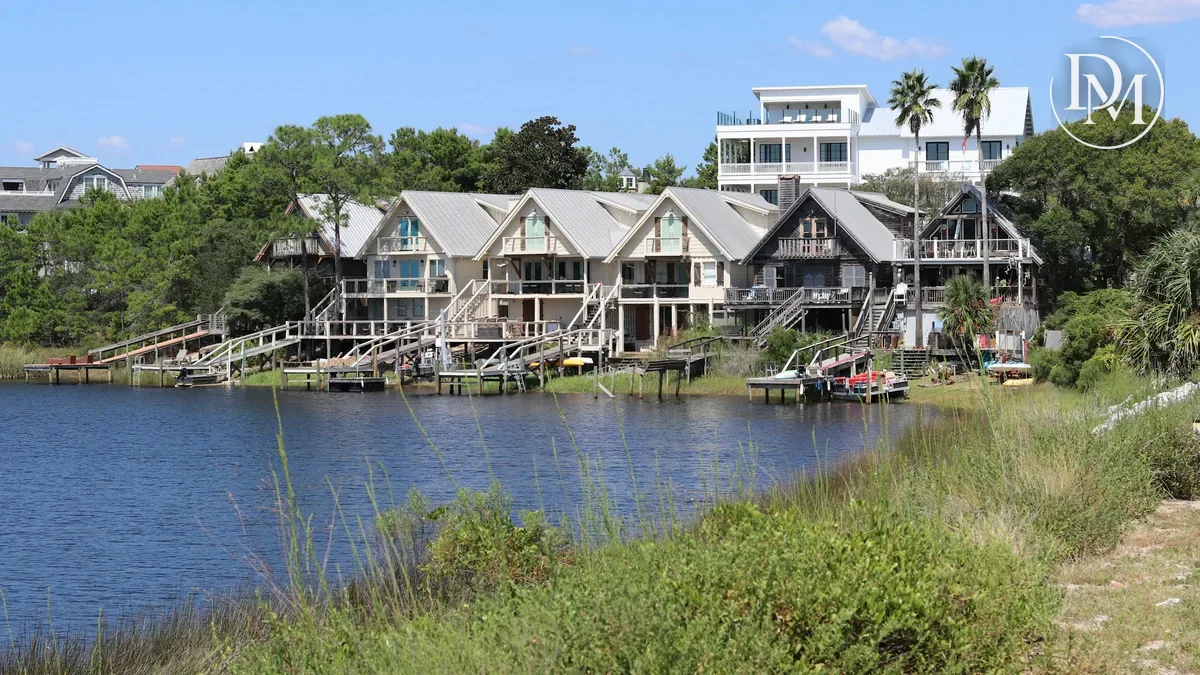
I'm Dennis Mark Interdonato with The Dennis Mark Group. On a waterfront home in Monmouth or Ocean County, the dock, the lift and the bulkhead may have been built, extended or rebuilt over the years by different owners. Here's what the State's rules say and where to start.
Why does an old dock still need a license?
NJDEP's tidelands license instructions are direct. Licenses must be obtained for all proposed construction and any past construction, regardless of whether the current owner is responsible for it, and the State doesn't grandfather fixed structures for tidelands purposes. Structures occupying State-owned tidelands without a license are considered illegal, and the instructions say the State would be within its rights to file a lien against the adjacent upland (TD-028).
The fixed structures covered include docks, piers, mooring piles, floating docks, boat lifts and riprap. Bulkhead extensions past the mean high water line need a license too, until a riparian grant for that area is delivered. What is a riparian grant? explains the difference.
Does the dock or bulkhead also need a coastal permit?
The coastal permit is a separate approval. NJDEP's Coastal Zone Management Rules require a permit for regulated work, including building or altering docks, piers, bulkheads, pilings and boat lifts at or below the mean high water line, and starting regulated work without one is a violation (N.J.A.C. 7:7-2.1 and 2.4). A tidelands license application also needs a valid waterfront development permit for every proposed or existing structure being licensed (TD-028).
Is every older structure out of compliance?
No, and that's why the details matter. The rules include exemptions and permits written for older work:
- Pre-1981 structures. Repairing, replacing or reconstructing a dock, wharf, pier, bulkhead or building that legally existed before January 1, 1981, in the same location and size, can be exempt from the waterfront development permit, when the structure appears on the applicable Tidelands Map or coastal wetlands map, or received a permit after that map's date, and is used for residential purposes or for pleasure boats (N.J.A.C. 7:7-2.4(d)6). A similar exemption covers floating docks and mooring rafts (2.4(d)7).
- Written determinations. An owner can ask NJDEP in writing to confirm an exemption. For the pre-1981 exemptions, the request includes the tidelands grant, lease or license, any earlier permit, the relevant part of the Tidelands Map or wetlands map, labeled photographs and a site plan (N.J.A.C. 7:7-2.4(f)).
- Older fill. On a single-family home or duplex lot, earlier filling of land that the tide once covered is considered authorized by a permit-by-registration if the filling appears on the Tidelands Map and a tidelands instrument has been obtained for all of the filled area (N.J.A.C. 7:7-4.5).
Whether any of these fit your property is a question for your attorney and NJDEP, not a guess on a listing.
Can work that was never permitted be permitted now?
NJDEP's rules contemplate it. When the Department sets a penalty for work done without a permit, it reduces the amount if a complete application is submitted within 30 days of the notice of violation and a permit is then issued for the work without changes (N.J.A.C. 7:7-29.5(g)). The better route never reaches a notice at all: your attorney, an engineer or marine contractor, and NJDEP, before the house is on the market.
What does a seller have to disclose?
New Jersey's property condition disclosure statement, set out in N.J.A.C. 13:45A-29.1, asks sellers about these exact items, including:
- Additions, structural changes or other alterations made by present or past owners, and whether the proper building permits and approvals were obtained
- Whether any part of the property is claimed by the State as land now or formerly covered by tidal water (a riparian claim or lease grant)
- Shared or common areas, such as docks, walls and bulkheads, or maintenance agreements
- Whether you have a survey of the property
Answer from what you know and explain any yes answer. Your attorney advises on the wording. The flood questions and the rest of the paperwork are in the documents to gather before you list.
Why start before the listing goes live?
Time. NJDEP says a tidelands license typically takes three to six months, and it won't be issued until NJDEP has a copy of a valid waterfront development permit (TD-028). Once you accept an offer on a contract prepared by real estate licensees, the attorney review period is three business days (N.J.A.C. 11:5-6.2). Those two timelines don't fit together, so the work belongs before the first showing.
Start the file now: the recorded deed, the survey, every permit and tidelands document you can find, contractor invoices and photographs of the dock, lift and bulkhead. NJDEP's license applications ask for the recorded deed and copies of the permit-approved survey, so those two are worth finding first.
Selling and buying at once? See selling and buying at the same time, and start with what your home is worth. My approach to listings is on how I sell homes and the waterfront homes page, and buyers can search waterfront homes.
Frequently Asked Questions
Is a dock built decades ago grandfathered?
Not for tidelands purposes. NJDEP's license instructions say the State doesn't grandfather fixed structures and that licenses are needed for past construction. Separately, the coastal rules have narrow exemptions for repairing or replacing some structures that legally existed before January 1, 1981.
Who decides whether my dock needs a permit or a license?
NJDEP decides permits and handles tidelands licenses. Your attorney advises you on disclosure and on the sale.
Can I sell before the license comes through?
That's a question for your attorney. What the instructions say is that structures on State-owned tidelands without a license are considered illegal and that a lien against the adjacent property is possible, so a buyer's attorney will ask.
What paperwork helps the most?
The recorded deed, a survey, any tidelands grant, lease or license, earlier permits and photographs. NJDEP's license applications call for the recorded deed and copies of the permit-approved survey.
This is general information, not legal, insurance, engineering or lending advice. NJDEP decides permits and tidelands licenses, and your attorney advises on disclosure and your contract. Sources checked October 12, 2026.
About the author
Dennis Mark Interdonato is a REALTOR® and Master CDRE® who leads The Dennis Mark Group at Keller Williams Realty Ocean Living in Point Pleasant, NJ, helping buyers and sellers throughout New Jersey make their next move, with Monmouth and Ocean County as home base. Read more about Dennis Mark.
Keep reading
- Bulkhead checks before you buy a waterfront home
- Waterfront homes in New Jersey: what buyers should know before you buy
- Have a question this didn't answer? Send it to Dennis Mark and it may become the next article.