
Waterfront & Lagoon Homes Insider Insights
Bulkhead Checks Before You Buy a Waterfront Home: What to Ask For and Who Looks at It
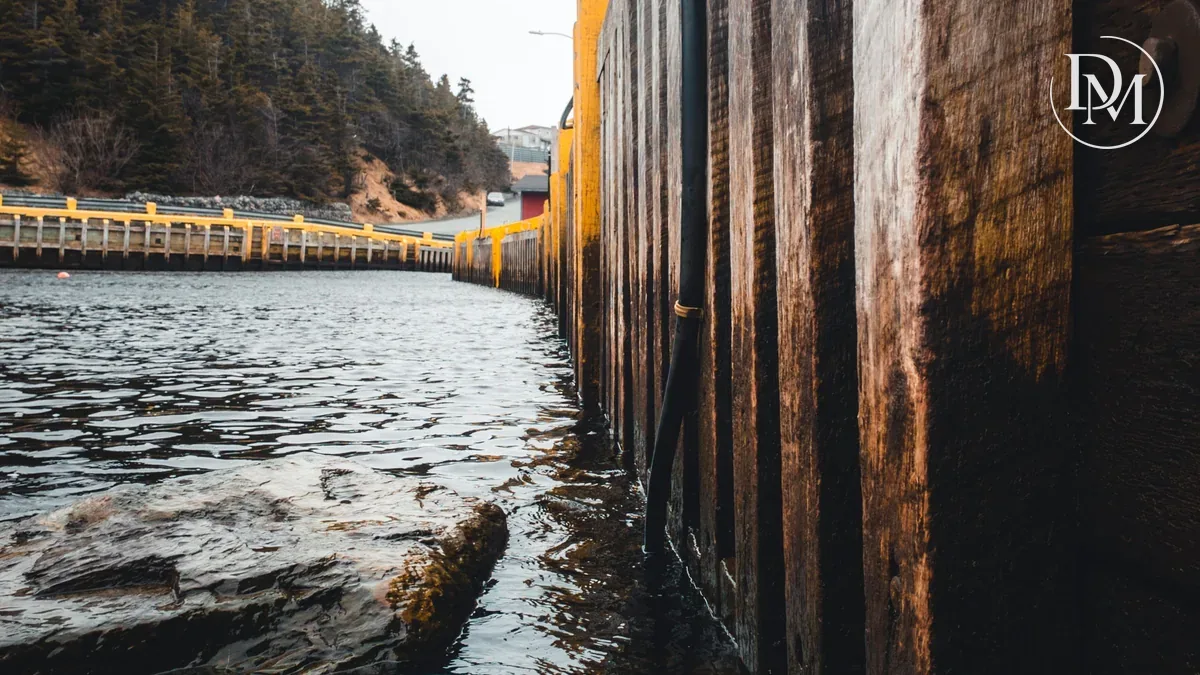
A standard New Jersey home inspection leaves out sea walls, bulkheads and docks, so the bulkhead needs its own look from a marine contractor or a New Jersey licensed professional engineer. Pair that look with the…
Can You Add a Dock or Boat Lift After You Buy? What to Check Before Closing
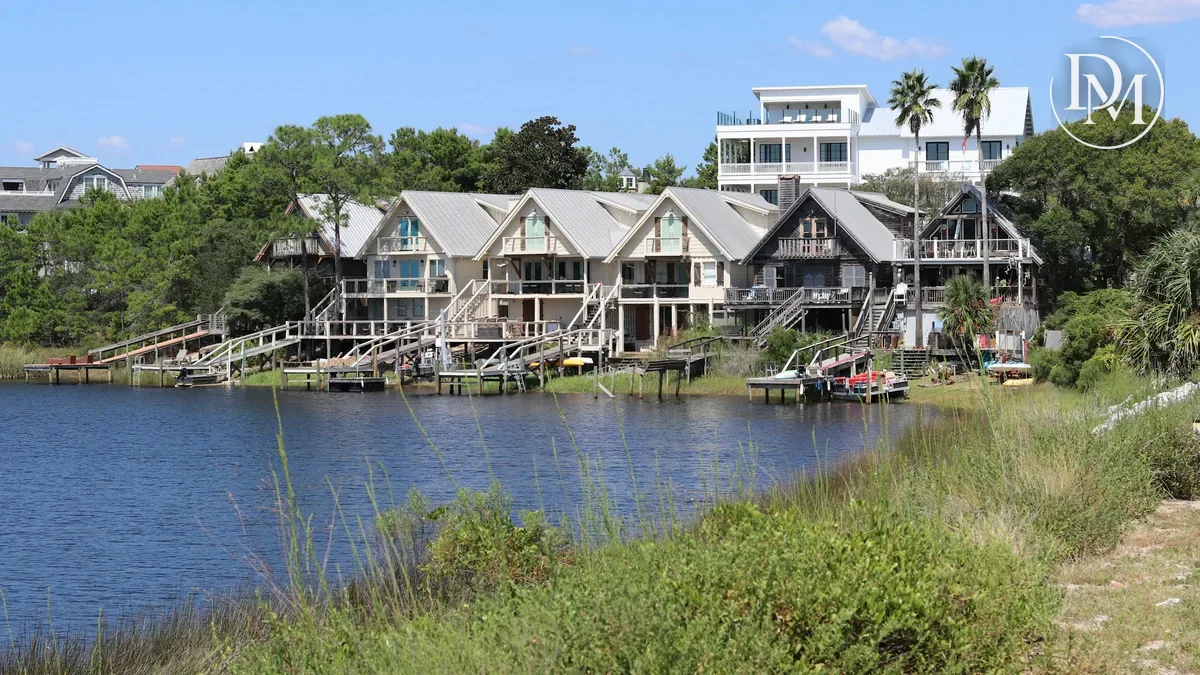
Often you can, but not without approval first. In New Jersey, building or changing a dock, pier, piling or boat lift at or below the mean high water line needs an NJDEP coastal permit, a structure on State-owned…
How Deep Is the Water Off the Dock? Checking Depth, Tides and Bridge Clearance Before You Buy
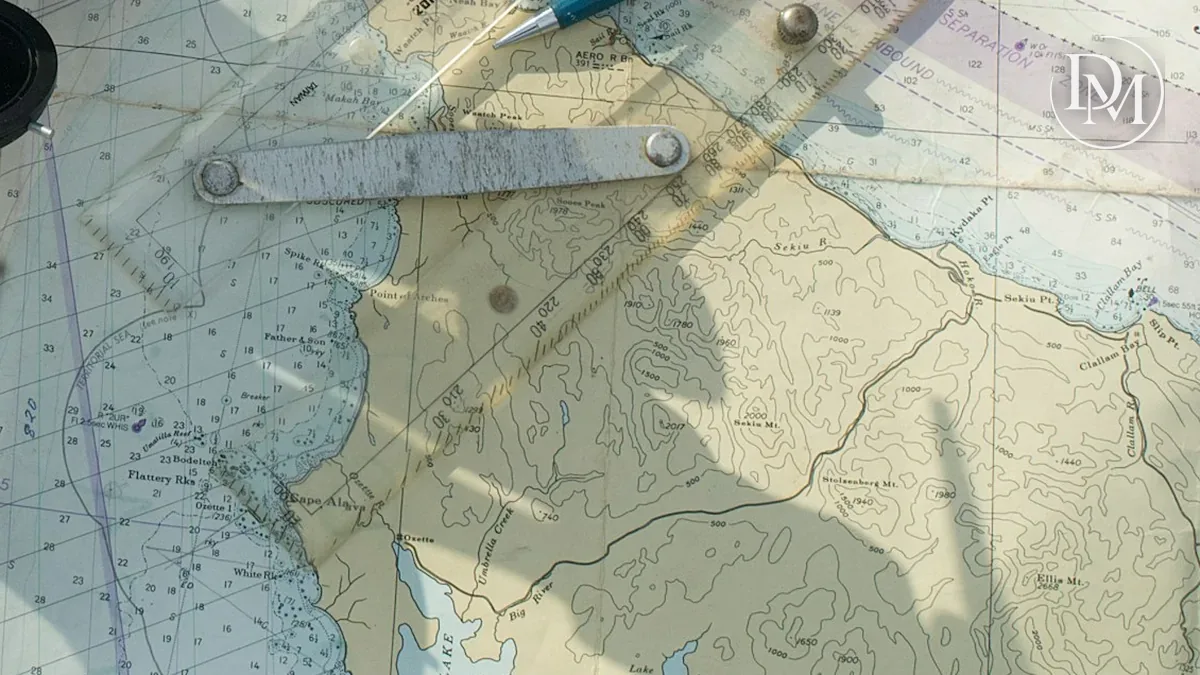
Check three things before you fall for a dock: the depth on a NOAA nautical chart, the tide predictions from NOAA Tides & Currents, and the clearance of every bridge between the house and open water. Then measure the…
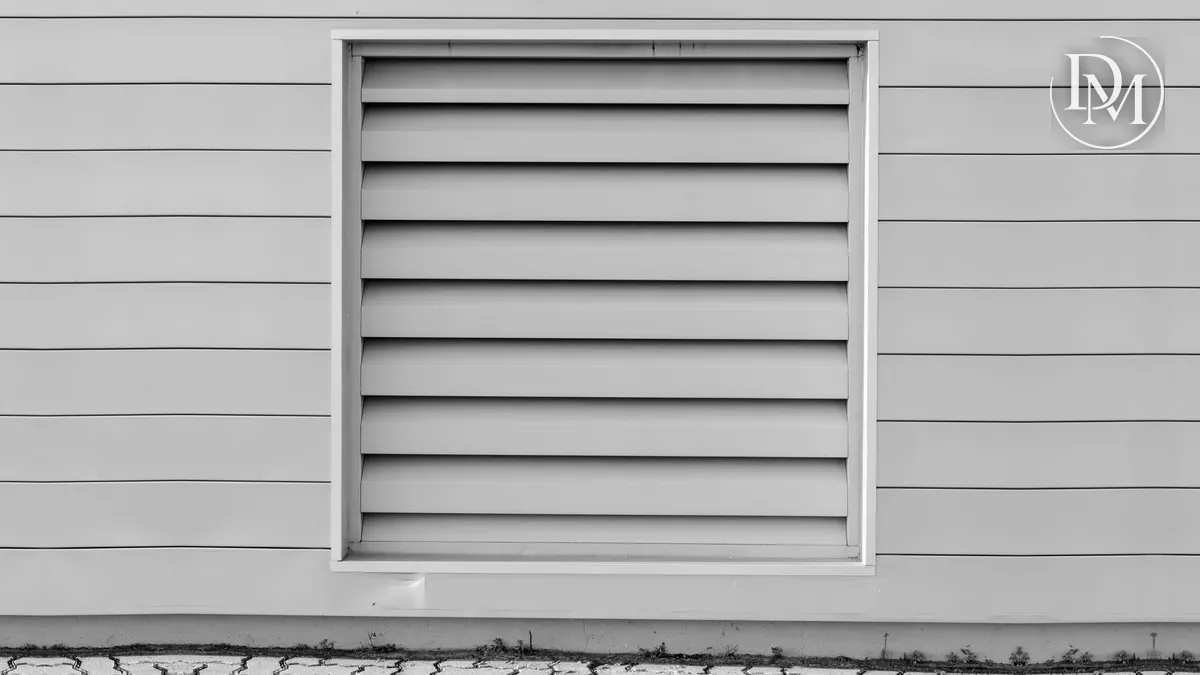
Flood Vents and Flood Openings on a Raised Home: What Counts and Why It Matters
Flood vents, which FEMA calls flood openings, are permanent openings low in the walls of a crawlspace or the enclosed area under a raised home that let floodwater flow in and out on its own, so the water pressure on…
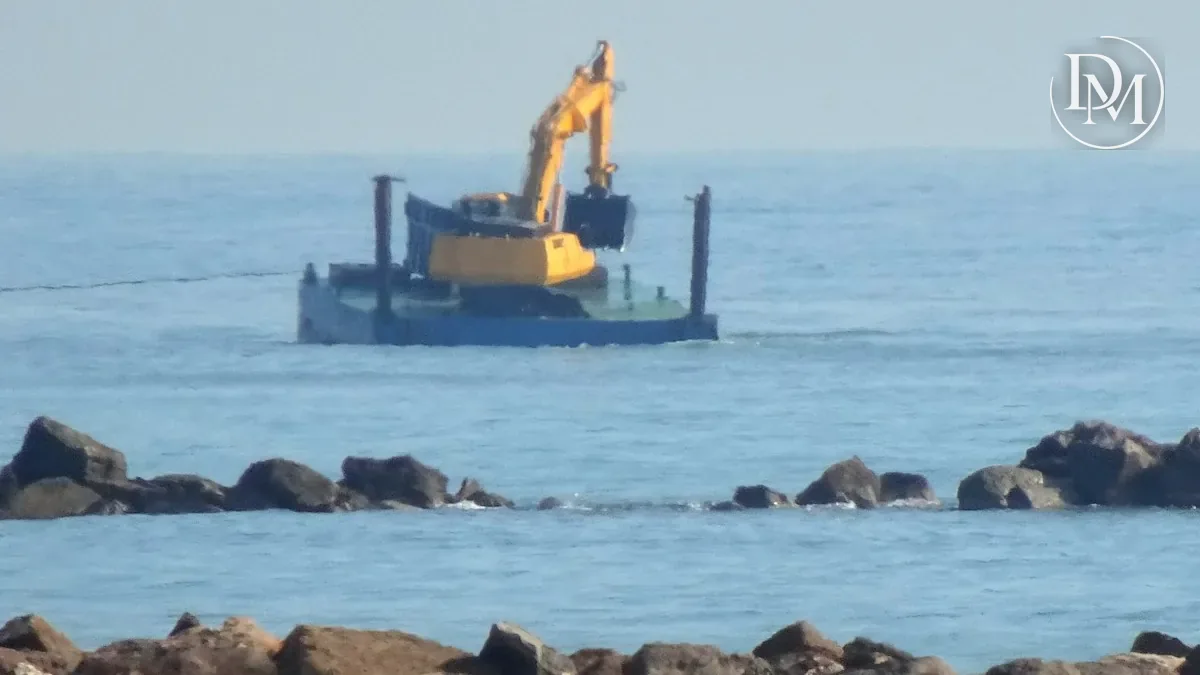
Lagoon Dredging in New Jersey: What It Is, What Permits It Takes and Who Handles It
Lagoon dredging is the work of removing sediment that has built up in a lagoon so boats can keep using it. In New Jersey it's regulated work: dredging at or below the mean high water line needs an NJDEP coastal permit,…
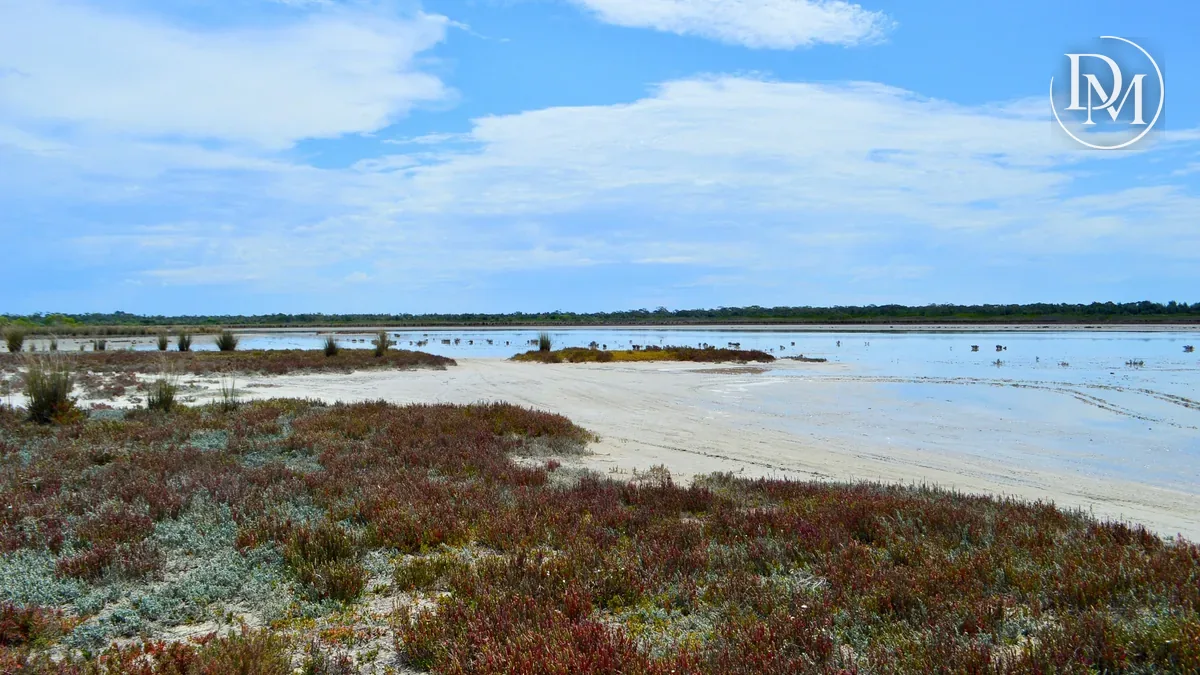
New Jersey's REAL Rules: What the 2026 Coastal and Flood Changes Mean for Waterfront Homeowners
The REAL rules are NJDEP's 2026 amendments to its coastal, flood hazard, freshwater wetlands and stormwater rules. For a home near tidal water, the biggest change is a new design flood height, the climate-adjusted…

Private Flood Insurance or the NFIP in New Jersey?
Both cover flooding, which a standard New Jersey homeowners policy doesn't. The NFIP is FEMA's program, with set coverage limits and the same rates from every company that sells it; private flood insurance is written…
“Waterfront,” “Water View” or “Water Access”: What a New Jersey Listing Is Telling You
"Waterfront" should mean the property itself meets the water, "water view" describes what you can see from it, and "water access" means a way to reach the water that may not be on the lot at all. None of them is a…

What Is a LOMA? How a Home Can Be Removed From FEMA's High-Risk Flood Area
A Letter of Map Amendment, or LOMA, is a letter from FEMA stating that an existing structure or parcel of land that hasn't been raised by fill would not be flooded by the base flood, which officially removes it from…
What Sets the Cost of Flood Insurance on a New Jersey Home?
An NFIP flood insurance premium is set for the individual building: where it is, how it's built, what it would cost to rebuild, and the coverage and deductibles you choose. FEMA's current pricing doesn't use the flood…
Selling a Waterfront Home With an Unpermitted Dock or Bulkhead
Start early, and start with your attorney. New Jersey requires a tidelands license for docks and other fixed structures on State-owned tidelands even when an earlier owner built them, and a missing coastal permit or…

Flood Zone AE, VE or X: What the Letters on a FEMA Map Mean
The letters are FEMA's labels for mapped flood areas. Zones that start with A or V are Special Flood Hazard Areas, the areas mapped for the 1%-annual-chance flood, and V zones add storm-driven waves along the coast.…

Do You Need a Permit for a Dock, Boat Lift or Bulkhead in New Jersey?
In most cases, yes. NJDEP says you need a permit before you build in New Jersey's coastal zone under most circumstances, and it names docks, boat lifts and jet ski lifts as common examples. A dock, lift or bulkhead…
What Is a Riparian Grant? Tidelands Grants, Licenses and Claims in New Jersey
A riparian grant is a deed from the State of New Jersey selling land the State owns as tidelands, land that is or was once flowed by the mean high tide. If part of a property was once tidal, the State may hold a claim…
Buying a Home That Has Been Raised: The Paperwork to Ask For
When you buy a home that has been raised, ask for four things: an elevation certificate completed after the lift, the town's permit file with the certificate that closed it out, the details on the flood openings under…
Can You Take Over the Seller's Flood Insurance Policy When You Buy a Home?
Often, yes. A National Flood Insurance Program (NFIP) policy with building coverage can be assigned from the seller to the buyer when the home sells, with the seller's written consent. The seller signs the assignment…
Homeowners Insurance on a High-Value Shore Home: What to Ask Before You Buy
Get insurance quotes before you make an offer, or at the latest while the contract is in attorney review, and ask about five things: replacement cost, the hurricane and windstorm deductibles, flood coverage as a…

Inspections for a Luxury Home: Pool, Elevator, Generator and the Systems Buyers Forget
A licensed New Jersey home inspector covers the house's core systems, but the State's standards leave out much of what makes a luxury home a luxury home: the pool and spa, the standby generator, the bulkhead and dock,…

Moving to New Jersey With a Boat: Registration and the Boating Safety Certificate
Once your boat is based in New Jersey, it needs a New Jersey title and registration from the Motor Vehicle Commission, and if you'll run a power boat, you'll need a New Jersey Boat Safety Certificate. Visitors get a…
Oceanfront, Bayfront, Riverfront or Lagoon: How Waterfront Homes Differ in Monmouth and Ocean County
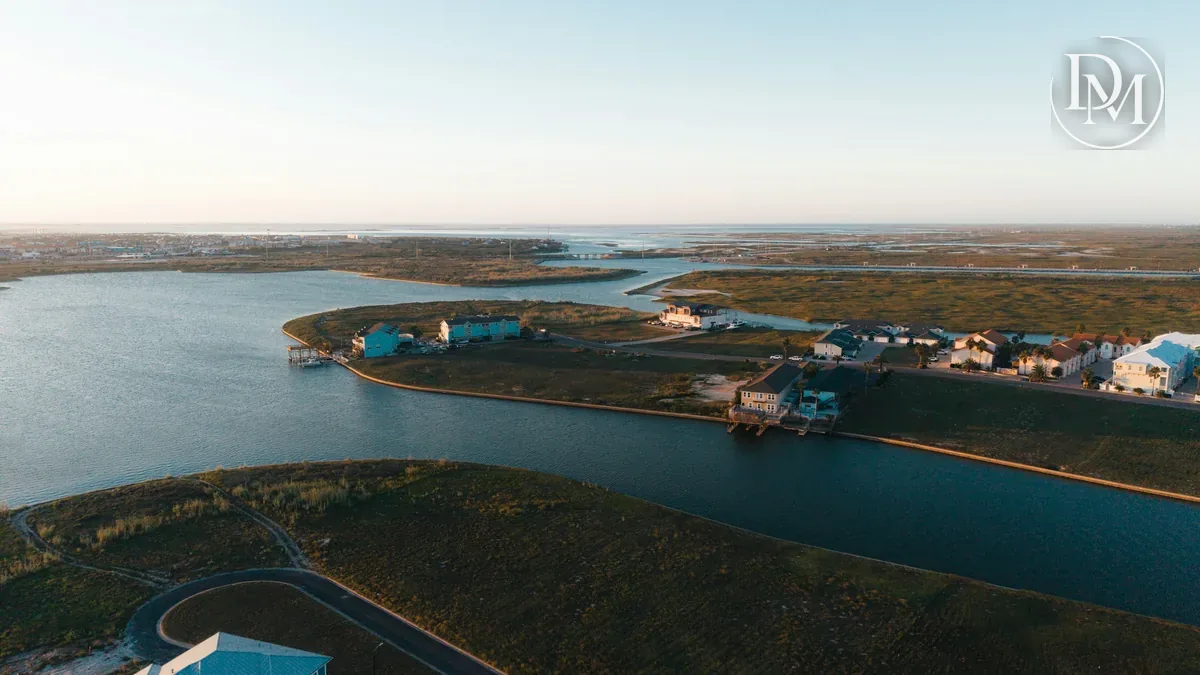
All four put you on the water, but they differ in what sits at the water's edge, what you can build there and the paperwork that comes with it. On the ocean, the edge of the lot is about the beach and the dune; on a…

Renovating a Home in a Flood Zone: FEMA's Substantial Improvement Rule
Under FEMA's rules, a renovation whose cost equals or exceeds 50 percent of the market value of the building before the work starts is a "substantial improvement," and in a Special Flood Hazard Area, the A and V zones…
Selling a Waterfront Home in New Jersey: The Documents to Gather Before You List
Before you list a waterfront home in New Jersey, gather the paperwork a buyer's attorney and insurance agent will ask for: your answers to the State's flood disclosure questions, any FEMA elevation certificate, your…

What Is an Elevation Certificate, and How Do You Get One in New Jersey?
An elevation certificate is a FEMA form that shows how high a building sits compared with how high local floodwaters are expected to get. In New Jersey, a seller who has one must share it with the buyer, and the buyer…

What Is CAFRA, and Does Your Shore Project Need a Permit?
CAFRA is New Jersey's Coastal Area Facility Review Act, the law that requires a permit from the Department of Environmental Protection for certain development in the State's coastal area. Whether a home project needs…