Oceanfront, Bayfront, Riverfront or Lagoon: How Waterfront Homes Differ in Monmouth and Ocean County
Published | Posted by Dennis Mark Interdonato
- Luxury
- Waterfront
- Waterfront homes
- Home Buying
- Tidelands
All four put you on the water, but they differ in what sits at the water's edge, what you can build there and the paperwork that comes with it. On the ocean, the edge of the lot is about the beach and the dune; on a bay, a river or a lagoon, it's about the bulkhead, the dock and whether the water in front of you is State tidelands.
I'm Dennis Mark Interdonato with The Dennis Mark Group at Keller Williams Realty Ocean Living. Monmouth and Ocean County have ocean, bay and river frontage, from the beach towns to Barnegat Bay to the Navesink and the Manasquan, and each one changes what you're buying, what you'll maintain and what your attorney will ask for.
What does oceanfront mean?
An oceanfront lot faces the beach. If there's a dune between the house and the water, New Jersey treats it as protected ground. NJDEP's Coastal Zone Management Rules define a dune as a "wind or wave deposited or man-made formation of sand (mound or ridge), that lies generally parallel to, and landward of, the beach," and they prohibit development on dunes except in narrow cases. Among the activities the rule accepts are limited stairs, walkways and boardwalks across the dune to the beach.
There's an ownership line too. NJDEP says the State "owns in fee simple all lands that are flowed by the tide up to the high-water line," and its definition of tidelands names the ocean along with bays and tidal rivers. Your deed and survey show what you own landward of that line, and your attorney and title company confirm it.
On an oceanfront home, ask how you reach the beach and what any future project near the dune would need. Before you plan one, read what CAFRA is and whether a shore project needs a permit.
What does bayfront mean?
Take Barnegat Bay. The Barnegat Bay Partnership describes a 75-square-mile estuarine system that includes Barnegat Bay, Manahawkin Bay and Little Egg Harbor, with a watershed that takes in most of Ocean County's 33 municipalities and four in Monmouth County.
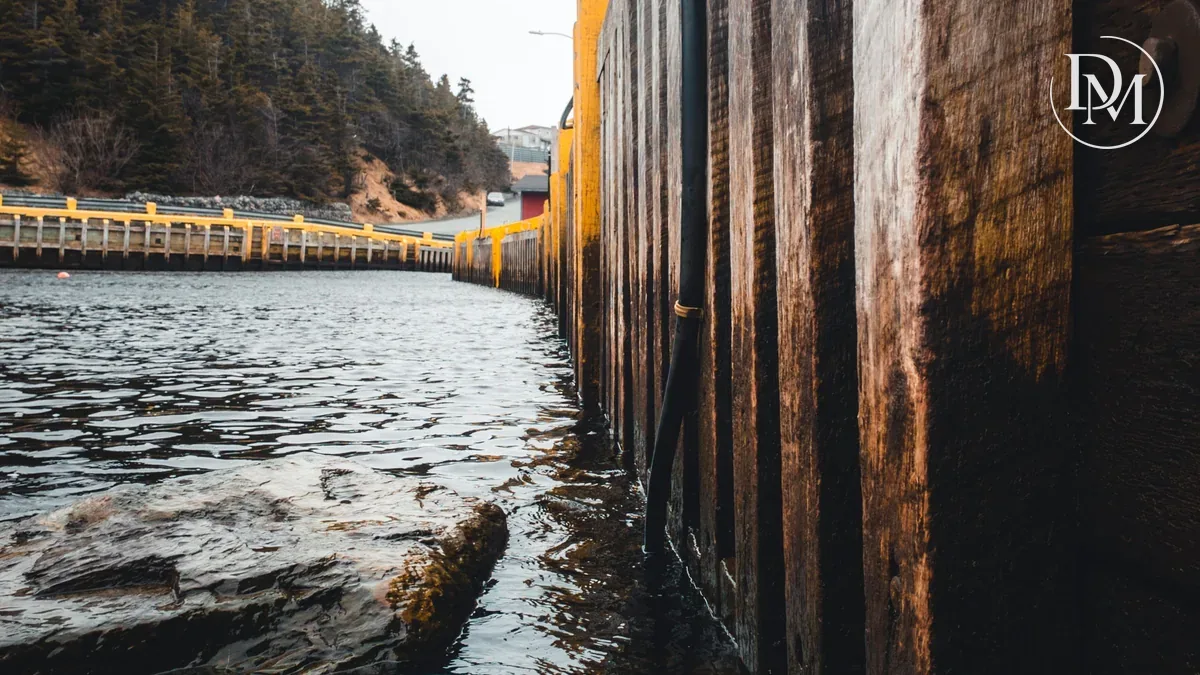
On a bay, the questions shift to the bulkhead, the dock and the lift. NJDEP uses Barnegat Bay as its own example of "currently flowed tidelands," meaning land under the water that the State owns. That's why NJDEP requires a tidelands license for fixed structures built over currently flowed tidelands, such as docks, piers, mooring piles, floating docks and boat lifts, and for bulkhead reconstruction or extensions past the mean high water line.
What does riverfront mean?
A tidal river counts as tidelands too, since NJDEP's definition includes "tidal sections of rivers and creeks." Each river has its own setting:
- The Navesink and the Shrewsbury. The U.S. Army Corps of Engineers describes its Shrewsbury River channel in Monmouth County as "a large tidal basin that drains into the southeastern end of Sandy Hook Bay," with a branch that runs up the Navesink River to Red Bank and "at least a dozen commercial marinas located throughout the tidal basin."
- The Manasquan. The Corps' Manasquan River channel sits "at the boundary between Monmouth and Ocean Counties" and runs from the Atlantic Ocean. In summer, the Corps counts more than 500 commercial and recreational vessels through it per day.
- The Metedeconk. The Barnegat Bay Partnership notes that the Point Pleasant Canal "opened the upper bay and Metedeconk River to tidal exchange."
- The Toms River. It's part of the Barnegat Bay watershed, and NOAA publishes tide predictions for a station on the Toms River.
On a river, ask how much water sits at the dock at low tide and which bridges stand between you and open water. A marine contractor and the charts answer those, not the listing.
What does lagoon frontage mean?
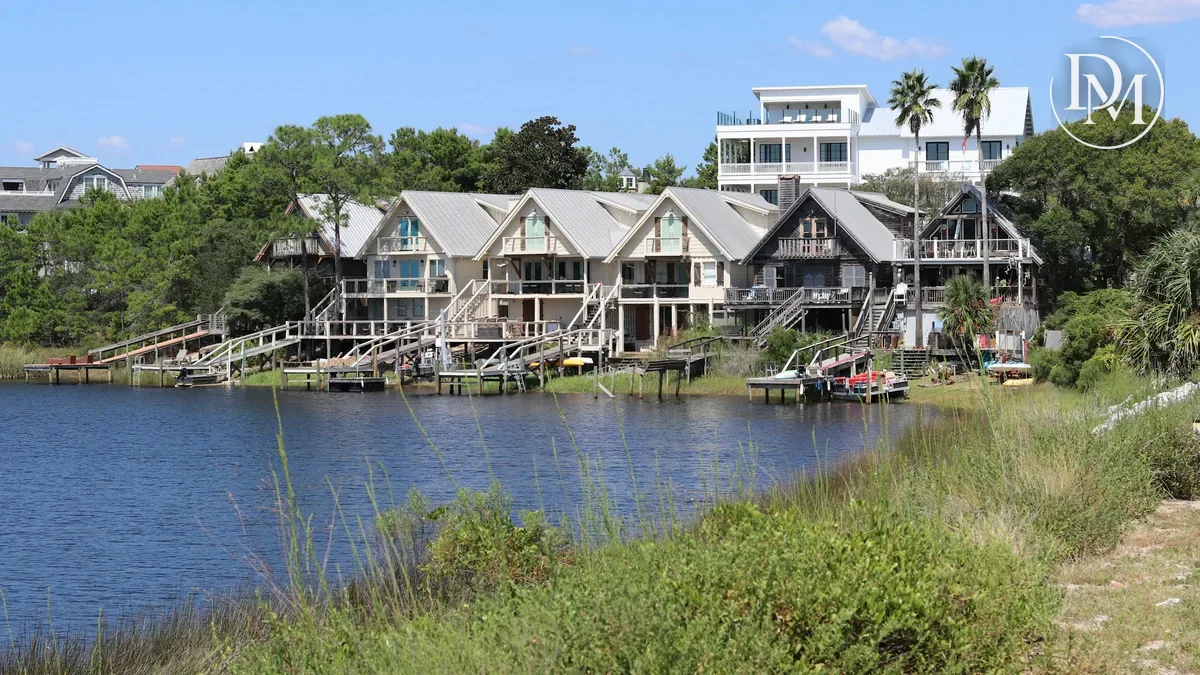
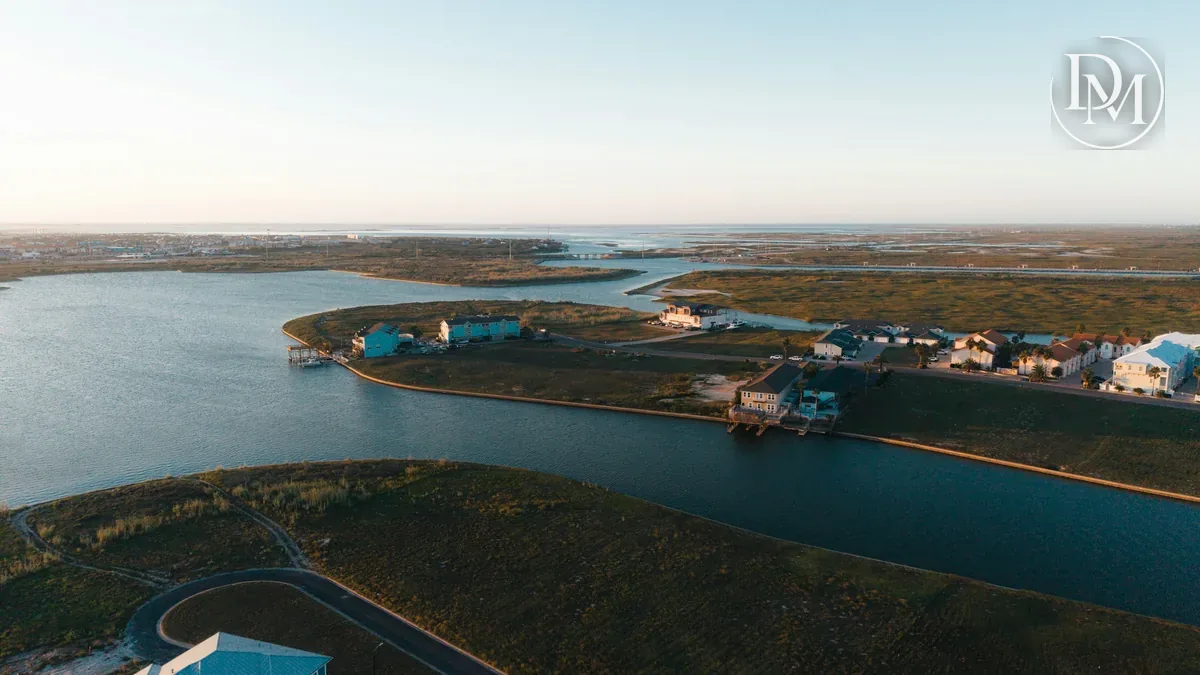
A lagoon home backs onto a canal-like waterway that leads out to a bay or a river. When a lagoon is man-made, the tidelands answer can be different. NJDEP says "an artificial lagoon excavated out of unclaimed uplands would not be tidelands provided the land is not impacted by any former claimed areas such as a former natural creek flowing through the area." Its license instructions, TD-028, also name man-made waterways such as lagoons as the one exception to the rule that the State only rents currently flowed tidelands.
So on a lagoon, don't assume either way. Your attorney and title company check the State's Tidelands Claims Maps, and you can look at a lot yourself on NJDEP's Tidelands Data Viewer. If an old claim crosses the property, a riparian grant, which NJDEP calls "a deed from the State of New Jersey for the sale of its formerly flowed tidelands," can clear it. Read what a riparian grant is for the details.
What paperwork comes with each kind of frontage?
- Tidelands status. Your attorney and title company check it on any waterfront purchase, ocean, bay, river or lagoon.
- A tidelands license for the dock, lift or bulkhead extension. TD-028 says licenses are required for past construction too, "regardless of whether or not the current property owner is responsible for that construction," an application needs a valid waterfront development permit, and the license term is ten years. The permits themselves are covered in NJ permits for docks, boat lifts and bulkheads.
- The flood zone. Search the address on FEMA's Flood Map Service Center. FloodSmart says the zone determines whether flood insurance is required with a government-backed mortgage, so get the insurance quote early.
When I list a waterfront home, we gather the documents buyers will ask for before the first showing, so the answers are ready.
Water view or waterfront: what does the listing say?
"Water view" describes what you see from the house. "Waterfront" should mean the lot meets the water. "Water access" can mean a dock, a slip or a path somewhere nearby. None of them replaces the survey, which shows where the property line sits against the water, or the deed, which shows what you're buying. As a former New Jersey home builder and remodeler, I'll also give you a construction-level read on the bulkhead and the dock before you fall for the view.
For more on buying on the water, read what buyers should know about waterfront homes and the Brick waterfront living guide. See how I handle waterfront sales on the Waterfront page, get the full checklist in the Luxury & Waterfront Guide, and if you own on the water already, start with a home value estimate.
Frequently Asked Questions
Is a lagoon home considered waterfront?
Yes, it sits on the water. The difference is in the paperwork: NJDEP says an artificial lagoon dug out of unclaimed uplands isn't tidelands unless a former claimed area, such as an old natural creek, crosses it.
Do I own the beach in front of an oceanfront home?
NJDEP says the State owns the land flowed by the tide up to the high-water line. Your deed and survey show what you own landward of it, and your attorney confirms it.
Does a dock on Barnegat Bay need a State license?
NJDEP requires a tidelands license for docks, piers, mooring piles, floating docks and boat lifts on currently flowed tidelands, and it uses Barnegat Bay as an example of currently flowed tidelands.
How do I check a waterfront home's flood zone?
FloodSmart points to FEMA's Flood Map Service Center or your local floodplain administrator. Take the zone to your insurance agent for a real quote.
This is general information, not legal, tax or lending advice. Tidelands, permit and flood questions belong with your attorney, title company, surveyor, insurance agent and NJDEP.
About the author
Dennis Mark Interdonato is a REALTOR® and Master CDRE® who leads The Dennis Mark Group at Keller Williams Realty Ocean Living in Point Pleasant, NJ, helping buyers and sellers throughout New Jersey make their next move, with Monmouth and Ocean County as home base. Read more about Dennis Mark.