Waterfront Homes in New Jersey: What Buyers Should Know Before You Buy
Published | Posted by Dennis Mark Interdonato
- Waterfront
- Waterfront Realestate
- Home Buying
- Insider Insights
Thinking about buying a waterfront home in New Jersey? Here’s what you need to know about flood risk, insurance, inspections, financing, maintenance, and the true cost of owning a home on the water.
There is something special about owning a waterfront home in New Jersey. Whether you're looking for a home along the Jersey Shore, a property on Barnegat Bay, a riverfront home in Monmouth County, or a waterfront property farther north, the combination of water views, outdoor living, boating access, and lifestyle appeal can be hard to resist.
But buying waterfront real estate is different from buying a typical home.
The view may be beautiful, but buyers also need to understand flood zones, flood insurance, elevation, seawalls, docks, drainage, storm exposure, property maintenance, and potential restrictions on future improvements.
If you're considering a waterfront home in Ocean County, Monmouth County, Middlesex County, or another coastal area of New Jersey, here are the most important things to investigate before making an offer.
1. Start With the Property's Flood Risk
One of the first questions to ask when buying a waterfront home in New Jersey is:
"How much flood risk does this property actually have?"
Don't rely solely on whether a home has flooded in the past, or whether the property is technically outside a FEMA high-risk flood zone.
New Jersey's Department of Environmental Protection warns that flooding can occur outside official FEMA flood zones and that FEMA maps don't account for every future impact associated with sea-level rise, changing rainfall patterns, and other climate-related factors.
Before purchasing, review:
- The property's FEMA flood zone
- Previous flooding or water intrusion
- Elevation information
- Flood insurance requirements
- Local flood history
- Nearby waterways
- Stormwater drainage
- Coastal or tidal flooding exposure
- Potential future flood risk
New Jersey also has a statewide flood-risk notification law. Since March 20, 2024, sellers must provide specific flood-risk information through the property condition disclosure statement before a buyer becomes obligated under a purchase contract.
The key takeaway: A waterfront property deserves a deeper flood-risk review than a typical home purchase.
2. Understand Flood Insurance Before Making an Offer
Homeowners insurance and flood insurance are not the same thing.
A standard homeowners policy generally does not provide the same coverage as a dedicated flood insurance policy. Depending on the property's location and your mortgage requirements, flood insurance can become an important part of your monthly housing costs.
Ask for an insurance quote before committing to the property.
Don't assume that because the seller currently has affordable insurance, you'll automatically receive the same rate.
Your insurance costs can depend on factors such as:
- Flood zone
- Elevation
- Property characteristics
- Foundation type
- Coverage amount
- Previous claims
- Location
- Insurer
- Current underwriting requirements
New Jersey's Department of Environmental Protection specifically recommends that homeowners understand flood insurance and FEMA flood maps when considering properties in flood-prone areas.
3. Get a Waterfront-Specific Home Inspection
A standard home inspection is important, but waterfront properties deserve additional attention.
Your inspector should carefully evaluate areas that may be particularly vulnerable to water, moisture, corrosion, and storm exposure.
Pay attention to:
Foundation and Structure
Look for signs of:
- Water intrusion
- Foundation movement
- Cracks
- Moisture
- Mold
- Structural deterioration
Roof and Exterior
Coastal properties can experience significant exposure to wind, salt air, moisture, and severe storms.
Ask about:
- Roof age
- Roofing materials
- Siding condition
- Windows
- Doors
- Flashing
- Gutters
- Exterior drainage
Electrical and Mechanical Systems
Waterfront homes may have additional exposure to moisture and corrosion.
Have the inspector evaluate electrical panels, HVAC equipment, water heaters, generators, and other major systems.
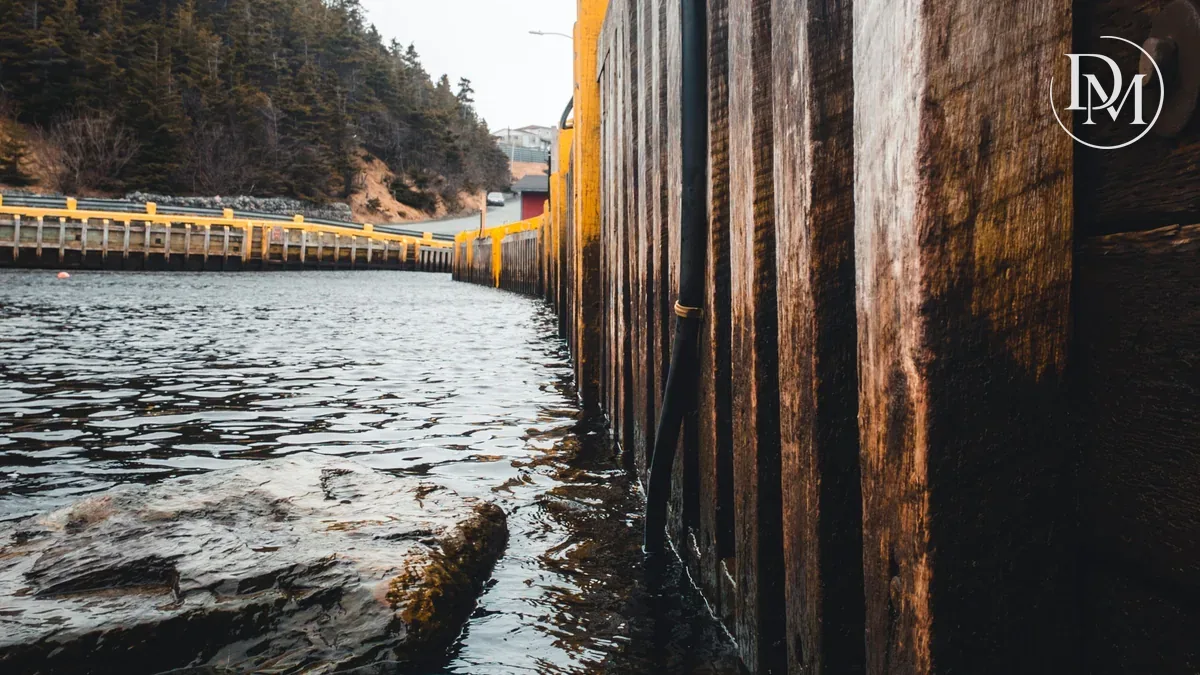
4. Don't Ignore the Bulkhead or Seawall
This is one of the biggest issues buyers can overlook.
If the property borders a bay, river, lagoon, creek, or other waterway, determine whether it has a bulkhead, seawall, retaining structure, or shoreline protection system.
Ask:
- How old is it?
- Who is responsible for maintaining it?
- Has it been repaired?
- Are there engineering reports?
- Are there signs of erosion?
- Does it meet current requirements?
- Will it need replacement?
A bulkhead replacement can be a significant expense, so it should not be treated as a minor maintenance item.
5. Investigate the Dock, Pier and Boat Access
For many waterfront buyers, the ability to keep a boat behind the house is part of the appeal.
But having waterfront access doesn't automatically mean you can build or modify whatever you want.
New Jersey DEP regulations can apply to docks, piers, boat ramps, construction, reconstruction, and other waterfront improvements. Certain projects may require permits or approvals.
Before assuming a property is "boat ready," investigate:
- Existing dock permits
- Dock ownership
- Boat lift permits
- Water depth
- Tidal restrictions
- Canal access
- Bridge clearance
- Navigation restrictions
- Bulkhead condition
- Local and state permitting requirements
If you're planning to add a dock, lift, deck, pool, addition, or other improvement, verify the requirements before purchasing.
6. Understand the True Cost of Waterfront Ownership
The purchase price is only part of the equation.
Waterfront homes can have additional ownership expenses that buyers of inland properties may not encounter.
Your budget may need to account for:
Mortgage + Property Taxes + Homeowners Insurance + Flood Insurance + Maintenance + Bulkhead/Seawall Costs + Dock Maintenance + Storm Preparation
You should also consider the cost of:
- Exterior maintenance
- Landscaping
- Storm cleanup
- Generators
- Flood mitigation
- Drainage improvements
- Roof replacement
- Corrosion-related repairs
- Dock and boat-lift maintenance
Before buying, ask your real estate agent, insurance professional, inspector, and lender to help you understand the property's complete carrying costs.
7. Financing a Waterfront Home
Waterfront homes can generally be financed like other residential properties, but the property's flood risk and condition can affect the overall transaction.
If you're getting a mortgage, your lender may require flood insurance depending on the property's location and applicable flood-zone requirements.
That's why buyers should discuss the property with their lender early in the process, rather than waiting until after an offer is accepted.
A good pre-approval should account for more than just the purchase price.
Your lender should help you understand how:
- Property taxes
- Homeowners insurance
- Flood insurance
- HOA fees
- Other property-related costs
could affect your overall monthly payment and qualification.
8. Location Matters More Than Just the View
Two waterfront homes only a few miles apart can have very different risk profiles and ownership costs.
For example, buyers looking at waterfront properties in areas such as Toms River, Brick Township, Point Pleasant, Bayville, Manahawkin, Barnegat, Lacey Township, Long Branch, Sea Bright, Monmouth Beach, Middletown Township, and other New Jersey coastal communities should evaluate each property individually.
Don't assume that because one waterfront neighborhood has historically performed well, every waterfront property will have the same characteristics.
Look at:
- Flood zone
- Elevation
- Water depth
- Exposure
- Access to open water
- Shoreline protection
- Insurance availability
- Local taxes
- Nearby development
- Road access during storms
- Resale demand
9. Check Whether Future Improvements Are Actually Possible
One of the most expensive mistakes a buyer can make is purchasing a waterfront property based on a renovation plan without first determining whether that renovation is permitted.
You may be dreaming about:
- Adding a second floor
- Expanding the kitchen
- Building a garage
- Adding a pool
- Installing a dock
- Raising the home
- Adding a deck
- Building a boat lift
But flood hazard areas, wetlands, coastal regulations, zoning, municipal requirements, and other restrictions can affect what you can legally build or modify.
New Jersey DEP notes that construction, reconstruction, elevation, additions, and other work in regulated flood hazard areas may require permits or specific approvals.
Before buying based on a future renovation, verify the plan with the appropriate professionals and municipality.
10. Consider the Resale Market
Buying waterfront property isn't only about enjoying it today.
You should also think about who might buy the property from you in the future.
A waterfront home with:
- Strong water access
- Good elevation
- Reasonable insurance costs
- Well-maintained shoreline protection
- Functional outdoor space
- Convenient access
- Desirable local amenities
may appeal to a broader pool of future buyers.
On the other hand, a property with significant flood exposure, expensive insurance, major bulkhead problems, or complicated permitting issues could have a smaller buyer pool.
Waterfront Home Buying Checklist for New Jersey Buyers
Before purchasing a waterfront home, consider checking all of the following:
☐ FEMA flood zone
☐ New Jersey flood-risk disclosure
☐ Flood insurance quote
☐ Homeowners insurance quote
☐ Elevation information
☐ Prior flood or water damage
☐ Foundation and structural condition
☐ Roof and exterior condition
☐ Bulkhead/seawall condition
☐ Dock and boat-lift permits
☐ Water depth and boating access
☐ Local zoning requirements
☐ NJDEP permitting requirements
☐ Future renovation possibilities
☐ Property taxes
☐ Monthly carrying costs
☐ Storm and evacuation considerations
☐ Resale potential
Frequently Asked Questions About Buying Waterfront Homes in New Jersey
Are waterfront homes in New Jersey more expensive to insure?
They can be. Insurance costs vary by property, location, flood exposure, coverage, and other factors. Buyers should obtain actual insurance quotes before purchasing rather than estimating the cost.
Do waterfront homes in New Jersey require flood insurance?
Not every waterfront property automatically requires flood insurance. Requirements can depend on the property's FEMA flood designation and the mortgage lender's requirements. However, even properties outside high-risk FEMA zones can experience flooding, so buyers should investigate insurance options regardless.
Can I build a dock on my New Jersey waterfront property?
Not necessarily. Depending on the property and project, docks, piers, boat ramps, and other waterfront improvements can be subject to state and local permitting requirements.
Should I get a flood inspection when buying a waterfront home?
A standard inspection is important, but buyers should consider additional evaluations when the property's location or condition warrants them. A qualified professional can help identify potential flood-related, structural, drainage, or elevation concerns.
Is buying a waterfront home in New Jersey a good investment?
It can be, but the answer depends on the specific property. Buyers should evaluate purchase price, location, insurance, taxes, maintenance, flood exposure, shoreline condition, financing, and long-term resale demand, not just the water view.
What New Jersey areas have waterfront homes?
Waterfront properties can be found throughout New Jersey, including communities along the Atlantic Ocean, Barnegat Bay, Raritan Bay, rivers, lagoons, and other waterways. Popular coastal markets include parts of Ocean County and Monmouth County, along with waterfront communities in northern and southern New Jersey.
What should I ask before buying a waterfront home?
At minimum, ask:
- Has the property ever flooded?
- What is the FEMA flood zone?
- How much will flood insurance cost?
- What is the condition of the bulkhead?
- Are the dock and boat lift permitted?
- What improvements can I legally make?
- Are there wetlands or other environmental restrictions?
- What are the property's total annual carrying costs?
- How accessible is the property during major storms?
- What could affect the property's resale value?
Final Thoughts: Don't Buy the View Without Understanding the Property
Buying a waterfront home in New Jersey can provide an incredible lifestyle. But buyers need to look beyond the water view.
The right property isn't simply the one with the most beautiful backyard or the best view.
It's the property that fits your budget, lifestyle, financing, insurance needs, maintenance expectations, and long-term goals.
Before making an offer on a waterfront home in Ocean County, Monmouth County, or another New Jersey coastal community, work with professionals who understand the unique considerations of waterfront real estate.
A knowledgeable local real estate professional can help you ask the right questions, evaluate the property, and coordinate with your lender, insurance professional, inspector, and other specialists before you move forward.
Thinking about buying a waterfront home in New Jersey? Let's make sure you understand the property, not just the view, before you make an offer.