What Is a LOMA? How a Home Can Be Removed From FEMA's High-Risk Flood Area
Published | Posted by Dennis Mark Interdonato
- Waterfront
- Flood Zones
- Flood Insurance
- Elevation Certificate
A Letter of Map Amendment, or LOMA, is a letter from FEMA stating that an existing structure or parcel of land that hasn't been raised by fill would not be flooded by the base flood, which officially removes it from the Special Flood Hazard Area. Once FEMA issues one, the federal requirement for flood insurance on a mortgage can be lifted, though the lender can still require coverage.
I'm Dennis Mark Interdonato with The Dennis Mark Group. Flood maps draw lines across whole areas, and sometimes a particular house or lot in Monmouth or Ocean County sits higher than the line suggests. A LOMA is how FEMA looks at that one property. Here's how it works, from FEMA's own instructions.
What's the difference between a LOMA and a LOMR-F?
FEMA's NFIP Flood Insurance Manual describes two kinds of determinations a property owner can request through FEMA's MT-1 process (NFIP Flood Insurance Manual, Appendix D):
- Letter of Map Amendment (LOMA): for a lot or existing structure that has not been elevated by fill, meaning it sits on natural grade.
- Letter of Map Revision Based on Fill (LOMR-F): for a lot or existing structure that has been elevated by fill.
There are conditional versions, the CLOMA and CLOMR-F, for proposed construction. A broader Letter of Map Revision (LOMR) changes the map itself and goes through the community, because the community has to adopt the change.
FEMA's MT-EZ instructions define fill as material from any source, including the property itself, placed so that it raises the ground to or above the base flood elevation. Fill placed before the date of the first NFIP map showing the area in a Special Flood Hazard Area is considered natural ground (MT-EZ instructions).
When does a home qualify?
FEMA compares the base flood elevation (BFE) with elevation information for the structure or the lot. Which elevations it needs depends on whether you're asking FEMA to remove the structure or a legally recorded parcel of land.
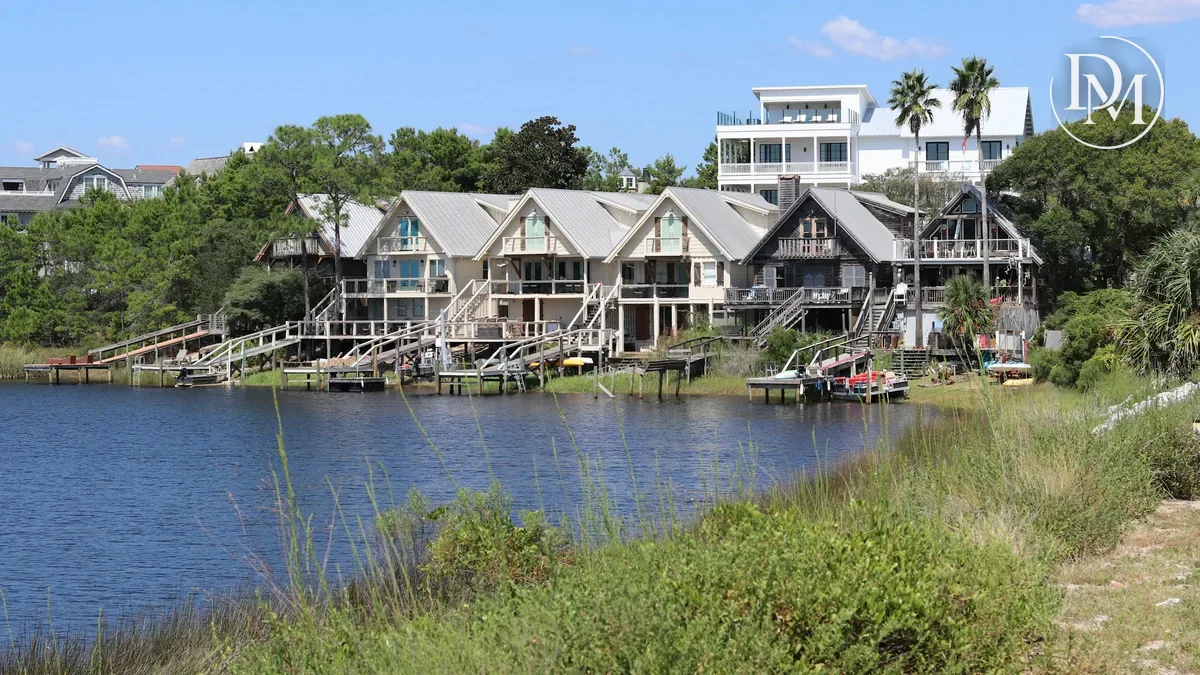
One rule matters at the shore. FEMA's instructions say that if a building's lowest floor has been elevated on posts, piers or pilings above the BFE, but any part of the structure, such as the posts, pilings or piers, is still below the BFE, the building won't be removed from the Special Flood Hazard Area. A raised first floor alone doesn't do it.
What role does the elevation certificate play?
FEMA's elevation certificate instructions, reprinted in the October 2025 manual, say the certificate can support a LOMA or LOMR-F request. When it's used that way, the lowest adjacent grade elevations have to be certified by a land surveyor, engineer or architect authorized by state law, and the request goes in with a completed MT-EZ or MT-1 package. The same instructions say the certificate by itself doesn't waive the flood insurance purchase requirement: only a LOMA or LOMR-F from FEMA can amend the map and remove the federal mandate. More in what is an elevation certificate.
How do you apply?
- Find the flood map. Search the address on FEMA's Flood Map Service Center, the official public source for NFIP flood hazard information.
- Pick the route. FEMA's MT-EZ form is for a single residential lot or structure; the MT-1 covers other requests, including LOMR-F. Licensed land surveyors and professional engineers can file many simple requests through eLOMA, which FEMA calls a faster alternative, and anyone can use FEMA's Online LOMC tool to submit, upload documents and check a request's status (FEMA).
- Gather the documents. The MT-EZ instructions call for a copy of the recorded deed with its recording information and a tax map or other map showing the property's location, or a copy of the recorded plat map, plus a copy of the effective flood map panel or a FIRMette printed free from the Map Service Center.
- Get the elevations. FEMA says that in most cases the applicant will need to hire a licensed land surveyor or registered professional engineer to prepare an elevation certificate (FEMA LOMA and LOMR-F).
FEMA says there's no review and processing fee for a LOMA request, and that it charges a fee for LOMR-F requests. It sends notice of whether a submittal is complete within 30 days and issues the determination within 60 days of receiving all required data.
What happens with your lender and your policy?
FEMA's page on changing your flood zone says that if the request is granted, you may send the determination to your lender and ask that the federal flood insurance requirement be removed. The decision is still the lender's: FEMA's instructions call it the lending institution's prerogative to require flood insurance as a condition of a loan.
If the lender agrees to waive the requirement, the MT-EZ instructions say the owner is eligible for a pro-rata refund of the premium paid for the current policy year, provided no claim is pending or has been paid on the policy that year. The owner gives the LOMA and the lender's waiver to the insurance agent who sold the policy. FloodSmart still recommends flood insurance in moderate- and low-risk zones, so talk with your agent before you drop coverage (FloodSmart).
Buying a home that has a LOMA?
Ask the seller for a copy, and read what it covers: the structure, the whole lot or a described portion of it. Give it to your insurance agent and your lender early in the deal, along with any elevation certificate. If you're sorting out flood zones, what the letters on a FEMA map mean is a good next read.
When you're ready, search waterfront homes, see how I approach waterfront homes, and read how I help buyers. Already own? Start with what your home is worth, and see selling and buying at the same time.
Frequently Asked Questions
How much does a LOMA cost?
FEMA charges no review and processing fee for a LOMA request. It does charge for LOMR-F requests. A surveyor's or engineer's fee for the elevation work is separate, so ask them.
How long does a LOMA take?
FEMA says it issues a determination within 60 days of receiving all required data, after notice of completeness within 30 days.
Can a raised house on pilings get a LOMA?
Not if any part of the structure, including the pilings, posts or piers, is still below the base flood elevation, according to FEMA's MT-EZ instructions.
Will my lender stop requiring flood insurance?
It may. FEMA says you can send the LOMA to your lender and ask, but the lender can still require coverage as a condition of the loan.
This is general information, not legal, insurance, engineering or lending advice. FEMA makes the map determination, a licensed surveyor or engineer certifies the elevations, and your lender and insurance agent decide what coverage you carry. Sources checked October 12, 2026.
About the author
Dennis Mark Interdonato is a REALTOR® and Master CDRE® who leads The Dennis Mark Group at Keller Williams Realty Ocean Living in Point Pleasant, NJ, helping buyers and sellers throughout New Jersey make their next move, with Monmouth and Ocean County as home base. Read more about Dennis Mark.
Keep reading
- Waterfront homes in New Jersey: what buyers should know before you buy
- Buying a home that has been raised: the paperwork to ask for
- Have a question this didn't answer? Send it to Dennis Mark and it may become the next article.