Buying a Home That Has Been Raised: The Paperwork to Ask For
Published | Posted by Dennis Mark Interdonato
- Luxury
- Waterfront
- Waterfront homes
- Flood Zones
- Home Buying
When you buy a home that has been raised, ask for four things: an elevation certificate completed after the lift, the town's permit file with the certificate that closed it out, the details on the flood openings under the house, and the seller's disclosure statement. Then put all of it in front of your attorney and your insurance agent before you're committed to the purchase.
I'm Dennis Mark Interdonato with The Dennis Mark Group at Keller Williams Realty Ocean Living. Shop for a home near the water in Monmouth or Ocean County and you'll tour a few that sit higher than they were built. Before I sold homes, I built and remodeled them, so the paperwork behind a lift is the first thing I read.
Why does a raised home need a new elevation certificate?
Because the house changed. An elevation certificate is the FEMA form that records how high a building sits, and FEMA's Elevation Certificate and instructions (Form FF-206-FY-22-152) say a completed certificate does not expire unless there is a physical change to the building that invalidates the information on it. Lifting a house onto a new foundation is that kind of change. A certificate from before the lift describes the house as it used to sit.
Look for three things on the newer one:
- Finished construction. The form says a new certificate will be required once construction is complete, so you want one marked finished construction, not construction drawings or building under construction.
- A signature and seal. The certification section is signed and sealed by a land surveyor, engineer or architect authorized by state law to certify elevation information.
- Foundation photos. The instructions call for photos that show the foundation and a close-up of the flood openings.
If the seller can't find it, FloodSmart suggests starting with the local floodplain manager, because a certificate may already be on file with the town. The full rundown is in what an elevation certificate is and how to get one in New Jersey.
What does New Jersey require the seller to share?
New Jersey's flood disclosure law, P.L.2023, c.93 (N.J.S.A. 56:8-19.2), requires a seller to disclose on the property condition disclosure statement whether the property is in a FEMA Special or Moderate Risk Flood Hazard Area, before the buyer is obligated under the contract. The form asks whether a FEMA elevation certificate is available, and the law's wording is direct: "If so, the elevation certificate must be shared with the buyer."
The same law notes that a buyer may be able to use a previous owner's elevation certificate for their own flood insurance policy, which makes the post-lift certificate one of the most useful pages in the file. Read the whole disclosure statement with your attorney.
Which permits and approvals should you ask the town for?
A lift is construction, and construction runs through the town's construction office. The NJ Department of Community Affairs' Uniform Construction Code overview says a construction permit is required for new construction and for work on existing buildings, including structural, plumbing, mechanical and electrical work. Ordinary maintenance is the exception.
DCA's Bulletin 13-1A, revised April 2023, explains how the code treats a lift that adds no living space: it counts as an addition, and the new foundation system, the pilings and the connections to the house must meet the requirements for new construction. For older houses built before the International Codes, and for lifts above a 42-foot mean roof height, the bulletin calls for an engineering analysis of the connections.
When the work passes final inspection, the town issues a certificate: DCA says a Certificate of Occupancy verifies the permitted work was completed to code, and a Certificate of Approval covers permitted work that doesn't need one. Ask for:
- every permit pulled for the lift, the foundation, and the electrical, plumbing and mechanical work that came with it;
- the final certificate for each one, and confirmation that nothing is still open;
- any engineer's letters or foundation plans the seller kept.
For copies, DCA's Bulletin 03-3 says records a public entity holds are generally public, with exceptions: building plans filed with a permit application are exempt from the Open Public Records Act, while site plans and architectural renderings are open. Requests go to the town's records custodian.
What are flood openings, and why do they matter?
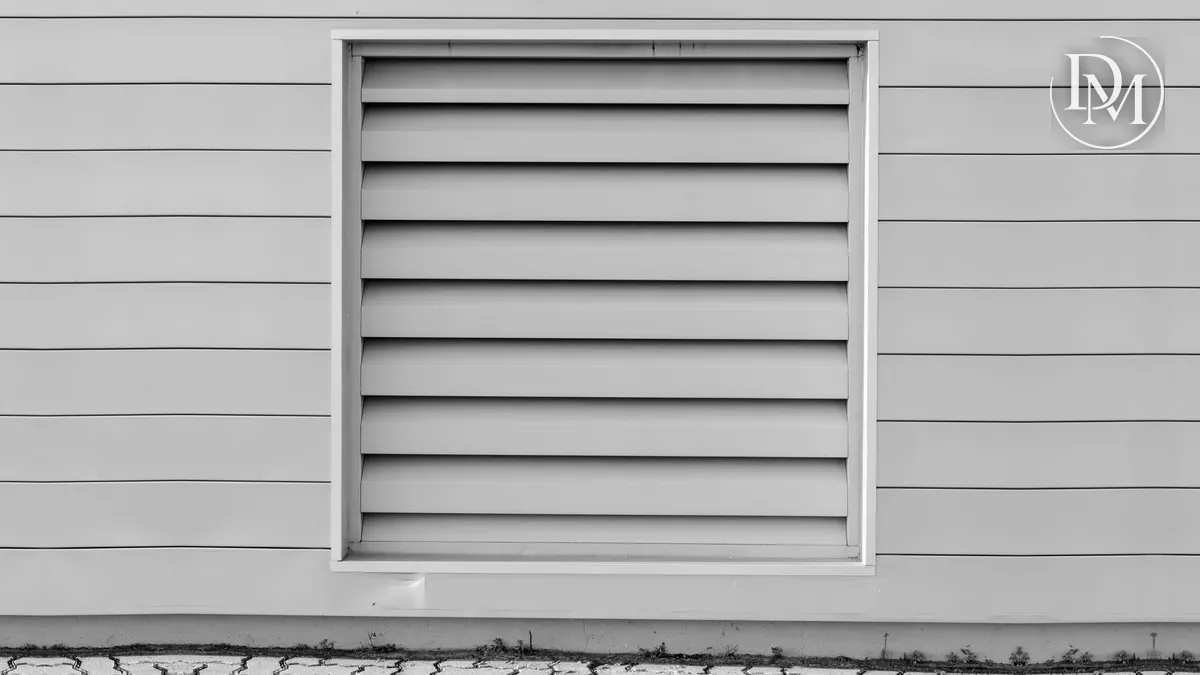
Flood openings are the vents low in the walls of the enclosed space under many raised homes. FEMA's Technical Bulletin 1 (March 2020) explains that in Zone A, an enclosure below an elevated building is allowed if it's used only for parking, building access or storage, built with flood damage-resistant materials, and fitted with openings that let floodwater in and out automatically, which equalizes the pressure on the walls.
The federal minimum, from 44 CFR 60.3(c)(5), is at least two openings with a total net area of at least one square inch for every square foot of enclosed area, each with its bottom no higher than one foot above grade, or a design certified by a registered professional engineer or architect. V zones have different foundation and enclosure requirements, so ask the floodplain administrator which apply.
The elevation certificate records how many openings there are and their size. If the space underneath has been finished, ask the town about it before you make an offer.
How does the lift show up in a flood insurance quote?
FloodSmart's premium costs page lists foundation type, first floor height and flood openings among the building details in an NFIP premium, and describes a mitigation discount for proper flood openings and elevated machinery and equipment. FloodSmart also says elevation certificates don't set your rate, but they can identify discounts.
So hand the post-lift certificate to your insurance agent and get a written quote while you can still act on it.
Start with the Luxury & Waterfront Guide, then see how I help buyers and how I handle waterfront homes.
Frequently Asked Questions
Is the old elevation certificate still good after a house is raised?
Not for the house as it stands now. FEMA says a certificate stays valid unless a physical change to the building invalidates the information on it, and a lift changes the elevations. Ask for one completed after construction was finished.
Can I use the seller's elevation certificate?
Yes, if it reflects the house as it is. FEMA's instructions say a certificate is not invalidated by the transfer of building ownership, and New Jersey's disclosure law says a buyer may be able to use a previous owner's certificate.
Does raising a house remove the flood insurance requirement?
Not by itself. FEMA's certificate form says it doesn't waive the flood insurance purchase requirement. Only a Letter of Map Amendment or Letter of Map Revision based on Fill from FEMA can remove the federal mandate, and a lender can still require coverage.
This is general information, not legal, tax or lending advice, and it isn't insurance advice. Your attorney, insurance agent, home inspector and the town's construction and floodplain officials have the final word on any one home.
About the author
Dennis Mark Interdonato is a REALTOR® and Master CDRE® who leads The Dennis Mark Group at Keller Williams Realty Ocean Living in Point Pleasant, NJ, helping buyers and sellers throughout New Jersey make their next move, with Monmouth and Ocean County as home base. He has been in construction since 2003, building and renovating New Jersey homes. Read more about Dennis Mark.
Keep reading
- Renovating a home in a flood zone: FEMA's substantial improvement rule
- Waterfront homes in New Jersey: what buyers should know before you buy
- Already own on the water? See what your home is worth with a free home value.
- Have a question this didn't answer? Send it to Dennis Mark and it may become the next article.