“Waterfront,” “Water View” or “Water Access”: What a New Jersey Listing Is Telling You
Published | Posted by Dennis Mark Interdonato
- Waterfront
- Waterfront Homes
- Home Buying
- Home Selling
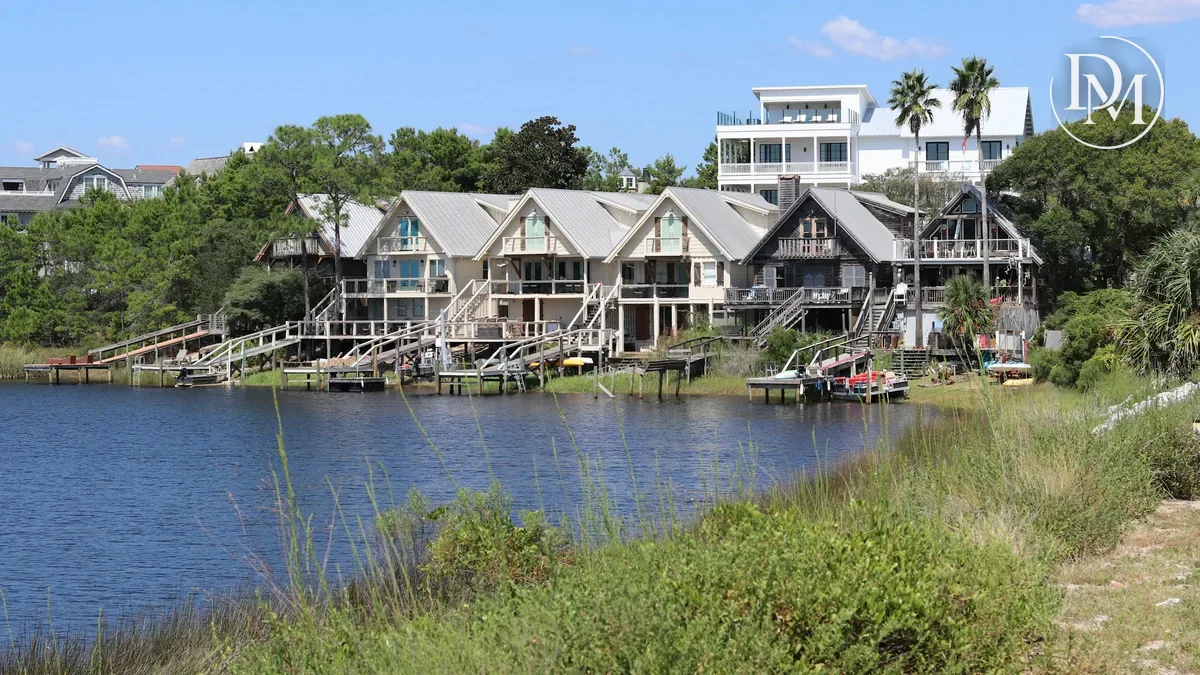
"Waterfront" should mean the property itself meets the water, "water view" describes what you can see from it, and "water access" means a way to reach the water that may not be on the lot at all. None of them is a legal definition, so the deed, the survey and the documents behind any dock or access rights are what tell you what you're buying.
I'm Dennis Mark Interdonato with The Dennis Mark Group. In Monmouth and Ocean County, those three phrases can describe homes with very different relationships to the water, and very different prices. Here's what each one usually signals, what New Jersey's advertising rules ask of listings, and how to confirm the claim before you rely on it.
What does "waterfront" usually mean?
That the lot itself borders the water: a bay, a river, a lagoon or the ocean. On tidal water, the property line and the water's edge aren't always the same thing. NJDEP's tidelands instructions explain that tidelands, all lands now and formerly flowed by the mean high tide of a natural waterway, are the property of the State, which rents them through licenses and can sell formerly flowed tidelands (TD-028). The survey shows where the lot ends, and your attorney and title company check for any State claim.
Waterfront on a lagoon, a bay or a river can mean different things for the dock, the bulkhead and the paperwork. Oceanfront, bayfront, riverfront or lagoon walks through those differences.
What does "water view" usually mean?
That you can see water from the house or the lot. It says nothing about owning frontage or having a place to keep a boat. A view can depend on the room, the floor and the season, and a view across someone else's land depends on what happens on that land.
See it for yourself from the rooms you'll use most, and ask your attorney whether anything protects the view, such as an easement.
What does "water access" usually mean?
A way to reach the water that may not be on your lot: a community dock or beach, a boat ramp, a right written into the deed to use a path or a slip, or a public launch nearby. The words matter less than the documents behind them:
- Where is the right written down? In the deed, an easement, an association's documents or a separate agreement?
- Is it shared, and who maintains it? New Jersey's property condition disclosure statement asks sellers about shared or common areas, such as driveways, docks, walls and bulkheads, and about maintenance agreements (N.J.A.C. 13:45A-29.1).
- Is there a slip that goes with the property, or a waiting list?
- What can you keep there? What size boat, and is there water under it at low tide? A depth check at low tide answers the second part.
What do New Jersey's advertising rules require of a listing?
New Jersey's real estate advertising rules say no advertisement may contain false, misleading or deceptive claims or misrepresentations, and that when a claim is likely to be misleading without certain qualifying information, that information has to be disclosed clearly and conspicuously (N.J.A.C. 11:5-6.1(r)). The same rules require an ad for the sale of a property to name the municipality where it's located (N.J.A.C. 11:5-6.1(h)).
For a seller, that's a good reason to describe the water precisely, such as lagoon frontage with a dock, a bay view from the second floor, or a deeded slip at the community dock, rather than reaching for the biggest word. For a buyer, it's a reason to ask the next question every time.
Which documents confirm each claim?
- Waterfront: the deed, a survey showing the lot lines and the mean high water line, and any tidelands grant, lease or license. The disclosure statement also asks whether any part of the property is claimed by the State as land now or formerly covered by tidal water.
- A dock or lift: the NJDEP permits and the tidelands license. See permits for docks, boat lifts and bulkheads.
- Water access: the deed, any easement, the association documents and any slip agreement.
- Flood zone: FEMA's Flood Map Service Center, the official public source for NFIP flood hazard information, searchable by address.
How does this play out when you're selling?
Gather the documents that back up the words before the listing goes live, so a buyer's attorney finds exactly what the listing says. The documents to gather before you list covers the full set. Start with what your home is worth, see how I sell homes, and if you're buying your next home at the same time, read selling and buying at the same time.
Buying? Search waterfront homes, see how I approach waterfront homes, and read how I help buyers.
Frequently Asked Questions
Is a water view home the same as a waterfront home?
No. A water view describes what you can see. Waterfront should mean the lot itself meets the water, and the survey shows whether it does.
What does deeded water access mean?
Usually a right to reach or use the water that's written into the deed or an easement. Ask your attorney to confirm what the documents grant and who maintains it.
Can a listing call a home waterfront if it's across the street from the water?
New Jersey's real estate advertising rules prohibit false, misleading or deceptive claims in ads and require qualifying information where a claim could mislead without it. Ask for the survey.
Who confirms where my property line is on the water?
A licensed land surveyor shows it on the survey, and your attorney and title company check for any State tidelands claim.
This is general information, not legal, insurance, engineering or lending advice. The plain-language meanings here are not legal definitions; your attorney, title company and surveyor confirm what a property includes. Sources checked October 12, 2026.
About the author
Dennis Mark Interdonato is a REALTOR® and Master CDRE® who leads The Dennis Mark Group at Keller Williams Realty Ocean Living in Point Pleasant, NJ, helping buyers and sellers throughout New Jersey make their next move, with Monmouth and Ocean County as home base. Read more about Dennis Mark.
Keep reading
- Waterfront homes in New Jersey: what buyers should know before you buy
- Have a question this didn't answer? Send it to Dennis Mark and it may become the next article.