Inspections for a Luxury Home: Pool, Elevator, Generator and the Systems Buyers Forget
Published | Posted by Dennis Mark Interdonato
- Luxury
- Waterfront
- Home Inspection
- Home Buying
- Waterfront homes
A licensed New Jersey home inspector covers the house's core systems, but the State's standards leave out much of what makes a luxury home a luxury home: the pool and spa, the standby generator, the bulkhead and dock, an underground oil tank and radon testing. A home elevator isn't on the inspector's list at all, so each of those needs its own specialist before your inspection window closes.
I'm Dennis Mark Interdonato with The Dennis Mark Group at Keller Williams Realty Ocean Living. On a high-end home in Monmouth or Ocean County, there are more systems to check, and any one left off the list can turn into a cost you find after closing instead of before.
What does a New Jersey home inspector check?
New Jersey licenses home inspectors under the Home Inspection Professional Licensing Act, through the Home Inspection Advisory Committee. The State's rules define a home inspection as "a visual, functional, non-invasive inspection" of the readily accessible parts of a home, and the standards of practice (N.J.A.C. 13:40-15.16) require the inspector to check:
- structural components, the exterior and the roof;
- plumbing, electrical, heating and cooling systems;
- the interior, insulation and ventilation; and
- fireplaces and solid fuel burning appliances.
The report has to state material defects and recommend repair, replacement, monitoring, or "examination and analysis by a qualified professional, tradesman, or service technician."
What's outside the inspector's scope?
The same rules spell out what a licensee isn't required to do. The items that matter most on a high-end or waterfront home:
- Pools and spas. The definition of a home inspection excludes "recreational facilities," which means "spas, saunas, steam baths, swimming pools" and similar equipment.
- Standby generators. Inspectors aren't required to inspect "ancillary electrical devices and/or systems," and the rule names standby generators and solar panels.
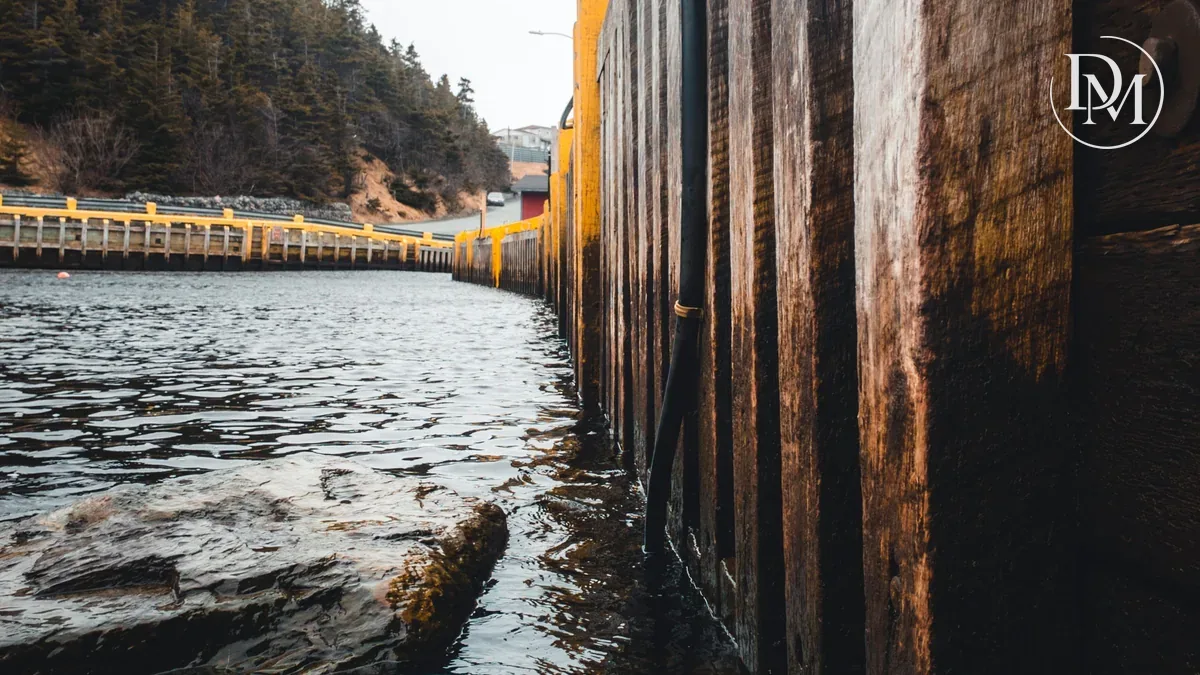
- Bulkheads and docks. The exterior inspection excludes "sea walls, break-walls, bulkheads and docks."
- Underground tanks. Fuel storage tanks are inspected "excluding propane and underground storage tanks."
- Life expectancy and hazardous substances. Inspectors don't have to estimate how long a system will last, or test for things like mold and contaminants in soil, water or air.
An inspector can offer added services for a fee if they're qualified to, so ask what yours covers.
Who inspects the pool and spa?
A pool contractor or pool inspector. Have them run the pump, filter and heater, look at the surface and the equipment, and tell you what's due. The State's electrical permit form has lines for pool permits, so ask the seller for the permits and final approvals, or ask the town's construction office for the file.
Does a home elevator get inspected?
It's not on the inspector's list, and it's not on a periodic inspection cycle either. The elevator safety subcode (N.J.A.C. 5:23-12.2) says periodic tests and inspections don't apply to elevator devices in Group R-3, R-4 or R-5 structures unless the device is accessible to the public, and the building subcode puts detached one- and two-family homes of up to three stories in Group R-5. The same subcode says all operating and electrical parts must be "maintained in safe operating condition." Bring in an elevator service company, and ask for the installation permit, the acceptance records and the maintenance log.
What about the standby generator?
It falls under the Uniform Construction Code. N.J.A.C. 5:23-3.4 assigns enforcement for stand-by power generators to the mechanical inspector, apart from the electrical work, and the State's electrical permit form has lines for a generator and its transfer switch. Ask for the permits and approvals, the service records, and a test run of the transfer switch by the generator dealer.
What about the HVAC zones and the roof?
The inspector checks the heating and cooling equipment, but "without determining heat supply adequacy or distribution balance." If the house has more than one zone, have an HVAC contractor test each one. The inspector also looks at the roof surface, drainage, flashing, skylights and chimneys, but isn't required to say how many years the roof has left. A roofer can.
Who checks the bulkhead and the dock?
A marine contractor. Ask about the condition of the bulkhead, the dock and any lift, and ask the seller for the paperwork. NJDEP requires a tidelands license for docks, boat lifts and other fixed structures on currently flowed tidelands, and for bulkhead extensions past the mean high water line. Your attorney and title company check that side.
What New Jersey checks do oil tanks and radon need?
Oil tanks. NJDEP's homeowner's guide says a residential heating oil tank of any size, above or below ground, is an unregulated heating oil tank, and closing an underground one must be done by a contractor certified for tank closure. A Department of Community Affairs bulletin adds that NJDEP "strongly recommends the removal of all out-of-service underground heating oil tanks even when there is no evidence the tank has leaked," and that removal or abandonment needs a demolition permit. Ask the seller for those permits. If a tank was cleaned up, ask for the No Further Action letter; NJDEP's DataMiner lets you search those letters by address. If there are no records, an environmental firm can search for a buried tank, which you'll hear called a tank sweep.
Radon. NJDEP recommends testing every home, and mitigation when results are 4 picocuries per liter or higher. By law, testing and mitigation must be done by DEP-certified businesses, with an exception for owners testing their own home, and the rule requires a seller to give the buyer any past radon test results and evidence of mitigation when the contract is signed.
A pool or an oil tank can also affect insurance. The NJ Department of Banking and Insurance says either one can have an impact on whether a company will insure a home, so read what to ask about insurance on a high-value shore home.
Where does my builder's eye come in?
I'm a former New Jersey home builder and residential remodeler. I read construction quality, renovation work and inspection risk, so the price matches what's really there. I'm not your inspector, but I know what to ask them.
When do the inspections happen?
Inside the dates your contract sets. In New Jersey, a contract prepared by a real estate licensee becomes legally binding after a three-business-day attorney review period unless an attorney disapproves, and the inspection deadlines are a question for your attorney. Book the specialists early so every report lands inside the window. See how I work with buyers on the buying page.
Frequently Asked Questions
Does a home inspector check the pool in New Jersey?
Not as part of the licensed home inspection. The State's definition excludes recreational facilities, including spas and swimming pools, so hire a pool specialist.
Does a New Jersey home inspection include radon?
Radon testing is an added service, not part of the standard inspection. Only DEP-certified businesses may test for radon, unless you're testing your own home.
Do home elevators need periodic inspections in New Jersey?
The elevator subcode's periodic tests and inspections don't apply to elevator devices in Group R-3, R-4 or R-5 structures unless the device is open to the public. Have an elevator service company check it.
Who inspects a bulkhead?
A marine contractor. The State's inspection standards exclude sea walls, bulkheads and docks.
This is general information, not legal, tax or lending advice. Your attorney sets your inspection deadlines, and your inspector and specialists have the final word on condition.
About the author
Dennis Mark Interdonato is a REALTOR® and Master CDRE® who leads The Dennis Mark Group at Keller Williams Realty Ocean Living in Point Pleasant, NJ, helping buyers and sellers throughout New Jersey make their next move, with Monmouth and Ocean County as home base. Read more about Dennis Mark.
Keep reading
- Homeowners insurance on a high-value shore home: what to ask before you buy
- Waterfront homes in New Jersey: what buyers should know before you buy
- See how I handle luxury homes on the Luxury page, waterfront homes on the Waterfront page, and in the Luxury & Waterfront Guide.
- Selling a luxury home instead? Start with a home value estimate.
- Have a question this didn't answer? Send it to Dennis Mark and it may become the next article.