Inspecting an Older Home in a 55+ Community: What a Former Builder Checks
Published | Posted by Dennis Mark Interdonato
- Adult Communities
- Home Inspection
- Buying a Home
- 55+ Communities
When you buy an older home in a 55+ community, the home inspection tells you the condition of what an inspector can see that day, but not how long the roof, furnace or water heater will last, whether past work had permits, or which repairs the association pays for, so you need those answers from other places.
I'm Dennis Mark Interdonato with The Dennis Mark Group at Keller Williams Realty Ocean Living. Many of Ocean and Monmouth County's 55+ communities date from the 1960s to the 1980s, so the age of the roof, furnace and windows matters as much as the floor plan. Here's how I look at one, as a former New Jersey home builder and remodeler.
What does a New Jersey home inspection cover?
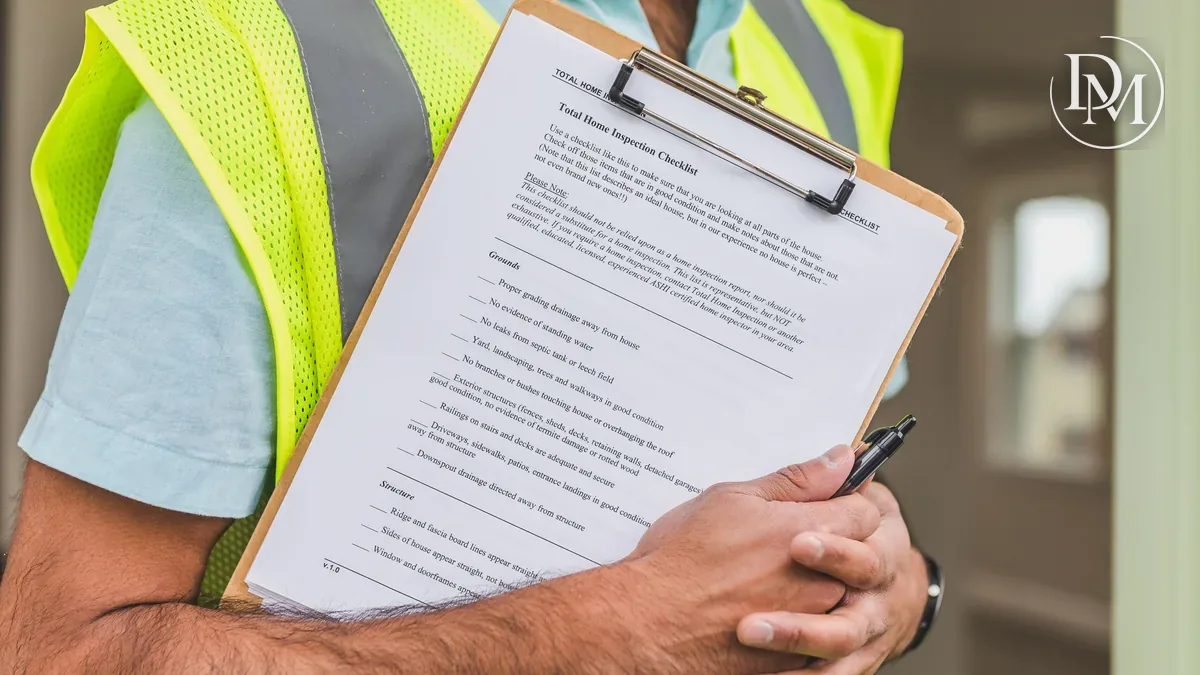
New Jersey defines a home inspection as "a visual, functional, non-invasive inspection" of the readily accessible parts of the house: structure, exterior, roof, plumbing, electrical, heating, cooling, interior, insulation and ventilation, and fireplaces (N.J.A.C. 13:40-15.2). The inspector reports material defects and recommends repairs or further evaluation.
Before the inspection, the inspector has to send a pre-inspection agreement listing the price, what will be inspected and what won't, and any extra services (N.J.A.C. 13:40-15.15). Read it. That's where a crawl space or a sunroom heater might be excluded.
What doesn't a home inspection tell you?
More than most buyers realize. Under the state's standards of practice, an inspector isn't required to identify concealed conditions, determine the life expectancy of any system, determine the cause of a problem, predict future failures, check code compliance, or enter spaces with less than 24 inches of headroom and 30 inches of width (N.J.A.C. 13:40-15.16).
So a report can say the furnace "operated" and still leave you guessing whether it has two years or ten. That's where a builder's eye helps.
What do I check on an older 55+ home?
- The roof. How many layers, how old, how it's vented, and whether the association replaces it. Some do: Crestwood Village 5 says its fee covers roof repair and replacement.
- Mechanicals. The age and service history of the furnace or boiler, the air conditioning and the water heater, and whether replacements were permitted.
- Windows and doors. Original or replaced, and who pays. Crestwood Village Co-Op's introduction says its carrying charge doesn't cover exterior doors, garage doors, windows or screens.
- Under the house and above it. Crestwood Village Co-Op describes its homes as having attic storage and a crawl space under the main living area. In homes like that, I look for moisture, insulation and how the space was used.
- Electrical and plumbing. Panel capacity, older wiring and piping, and any work done by a past owner. A licensed electrician or plumber should evaluate anything the inspector flags.
- Heating oil. If the home ever had oil heat, find out where the tank is or was. My article on underground heating oil tanks covers the paperwork.
For the longer list, see what makes a home low-maintenance: a builder's checklist.
Were the additions and conversions permitted?
Ask for proof. Sunrooms, enclosed patios, garage conversions and moved walls all need permits. Replacing roof covering on a detached home or a window in the same opening doesn't, but cutting a load-bearing wall or moving plumbing does (N.J.A.C. 5:23-2.7).
The Department of Community Affairs notes that unpermitted work sometimes surfaces only at a resale inspection, and that for a previous owner's work a construction official should do a Certificate of Continued Occupancy inspection of what's visible, with permits required for any corrective work (DCA Bulletin 06-1). Ask the seller for permits and final approvals, and ask the association for its approval of the change.
What should you bring to the inspection?
- The pre-inspection agreement, so you know what's excluded before the inspector arrives.
- The association's maintenance chart, so the report's findings can be sorted into yours and theirs.
- Any permits, approvals and service records the seller has provided.
- A list of the changes you're planning, so the inspector can look at the walls, wiring or plumbing those plans will touch.
When the report flags something, follow up with the right licensed trade before attorney review and the inspection period end.
Which repairs does the association handle?
It depends on the community and the ownership type, so get the maintenance chart or the documents that spell it out. In a co-op or condominium, the association may own the structure, roof or siding; in a fee simple community, you may own all of it. The association's reserve study tells you how it plans to pay for the parts it maintains over the next 30 years (NJ DCA). See what the association fee pays for.
What if you're selling an older home in a 55+ community?
Expect the same questions from buyers, and sometimes from the association first. Crestwood Village Co-Op, for example, inspects a home and sets required repairs before a member's certificate can go on the market. I walk sellers through two plans, as-is or a short list of targeted updates, with what each should bring. Start with a free home value, and read how to sell a home in a 55+ community.
Frequently Asked Questions
Does a home inspection tell me how old the roof is?
Not necessarily. New Jersey doesn't require inspectors to determine the life expectancy of any system. Ask the seller and the association for roof records.
Should I inspect a condo or co-op in a 55+ community?
Yes. The inspector looks at the unit, and the association's documents and reserve study cover the parts it maintains.
Who pays to fix problems the inspection finds?
That's negotiated during attorney review and the inspection period, and some items may be the association's responsibility. Your attorney handles the terms.
Do home inspectors check for permits?
They aren't required to determine code compliance. Ask the seller for permits and check with the township's construction office.
This is general information, not legal, tax or lending advice. Inspection rules come from N.J.A.C. 13:40-15 and permit rules from N.J.A.C. 5:23 and DCA Bulletin 06-1, opened October 11, 2026. Hire a New Jersey licensed home inspector.
About the author
Dennis Mark Interdonato is a REALTOR® and Master CDRE® who leads The Dennis Mark Group at Keller Williams Realty Ocean Living in Point Pleasant, NJ, helping buyers and sellers throughout New Jersey make their next move, with Monmouth and Ocean County as home base. Read more about Dennis Mark.
Keep reading
- Renovating a home in a 55+ community
- What is attorney review in New Jersey?
- Community pages such as Leisure Village and Silver Ridge Park North, and every adult community on the map
- Have a question this didn't answer? Send it to Dennis Mark.