Moving to New Jersey With a Boat: Registration and the Boating Safety Certificate
Published | Posted by Dennis Mark Interdonato
- Relocation
- Waterfront
- Boating
- Moving to New Jersey
- Waterfront homes
Once your boat is based in New Jersey, it needs a New Jersey title and registration from the Motor Vehicle Commission, and if you'll run a power boat, you'll need a New Jersey Boat Safety Certificate. Visitors get a grace period, but people who move here generally have to take a New Jersey-approved course, even if they hold a certificate from another state.
I'm Dennis Mark Interdonato with The Dennis Mark Group at Keller Williams Realty Ocean Living. A lot of the buyers I help move here for the water: Barnegat Bay, the Manasquan River, the Navesink. Here's the paperwork side, straight from the MVC and the New Jersey State Police.
Do you have to register an out-of-state boat in New Jersey?
Yes, once it's based here. The MVC says that "in order to use New Jersey waterways, all boats must be titled and registered," with exceptions that include boats "not based in New Jersey or operating for less than 180 consecutive days." When you move here and keep the boat here, that exception no longer fits.
What needs a title and what needs a registration:
- Title. "All vessels longer than 12 feet in length must be titled," according to the State Police Boating Safety Manual. Boats 12 feet or less, and boats documented with the U.S. Coast Guard, don't receive a New Jersey title.
- Registration. "All titled boats must also be registered. In addition, all power vessels, regardless of length, must be registered."
- Common exceptions. The MVC lists non-motorized inflatables, surfboards, racing shells, dinghies, canoes and kayaks among the exceptions.
How do you title and register a boat from another state?
- Fill out the forms. The MVC asks for the Universal Title Application (Form OS/SS-UTA) and a Boat Registration Application (Form BA-51).
- Bring proof of ownership. A properly assigned manufacturer's certificate of origin or your title. If your old state doesn't title boats, bring proof of ownership from the seller (their registration) with a notarized bill of sale.
- Pay the registration fee. It's based on length.
The MVC's pleasure-boat registration fees, by length:
- Less than 16 feet: $12
- 16 to less than 26 feet: $28
- 26 to less than 40 feet: $52
- 40 to less than 65 feet: $80
- 65 feet or more: $250
Title fees are separate; check the MVC's current fee page before your visit.
What if your boat is documented with the Coast Guard?
A documented vessel still has to be registered here in some cases. The MVC says it must be registered in New Jersey "if a boat is operated in New Jersey waters in excess of 180 days OR if the owner leases, owns, maintains or rents space in New Jersey for storage, mooring or servicing of the vessel on other than a transient basis." Keep it at your new dock or a local marina, and that rule applies.
Do you need a New Jersey boating safety certificate?
For a power boat, yes. The MVC says, "For any power motorboat operation on tidal waters, you must successfully complete a boating safety course approved by the New Jersey State Police." On non-tidal waters, you also need a boat license, which is an endorsement on your New Jersey driver's license or ID, plus the certificate.
The part that surprises people moving here: the State Police can only issue a New Jersey Boat Safety Certificate for a completed New Jersey-approved course. Out-of-state residents who are at least 16 and in New Jersey for less than 90 days can operate with their home-state certificate or proof of an approved course. Once you're here longer than that, you need the New Jersey certificate. Some Pennsylvania and New York courses are approved as New Jersey courses, so check yours before you sign up for a new one.
How do you get the certificate?
- Take an approved course. The State Police don't teach it themselves; approved providers do. Under the state rule, an approved course is at least eight hours long.
- Online counts, with a proctored exam. After the online portion, you complete an in-person, proctored exam.
- Know the age rules. At 16 or older with a certificate, you can operate any power vessel, including a personal watercraft. Ages 13 to 15 with a certificate are limited to boats powered only by an electric motor, or boats 12 feet or longer with less than 10 horsepower. Under 13, no power vessel. The State Police are clear: "There are NO EXEMPTIONS to N.J. age requirements."
Do you need a fishing license too?
For saltwater, you register instead. The Division of Fish and Wildlife says registration "is free and required for all anglers 16 years and older who are fishing in New Jersey's marine waters," unless you're fishing only on a for-hire boat. Freshwater fishing takes a license, sold by calendar year.
What should a boater look for in a Jersey Shore home?
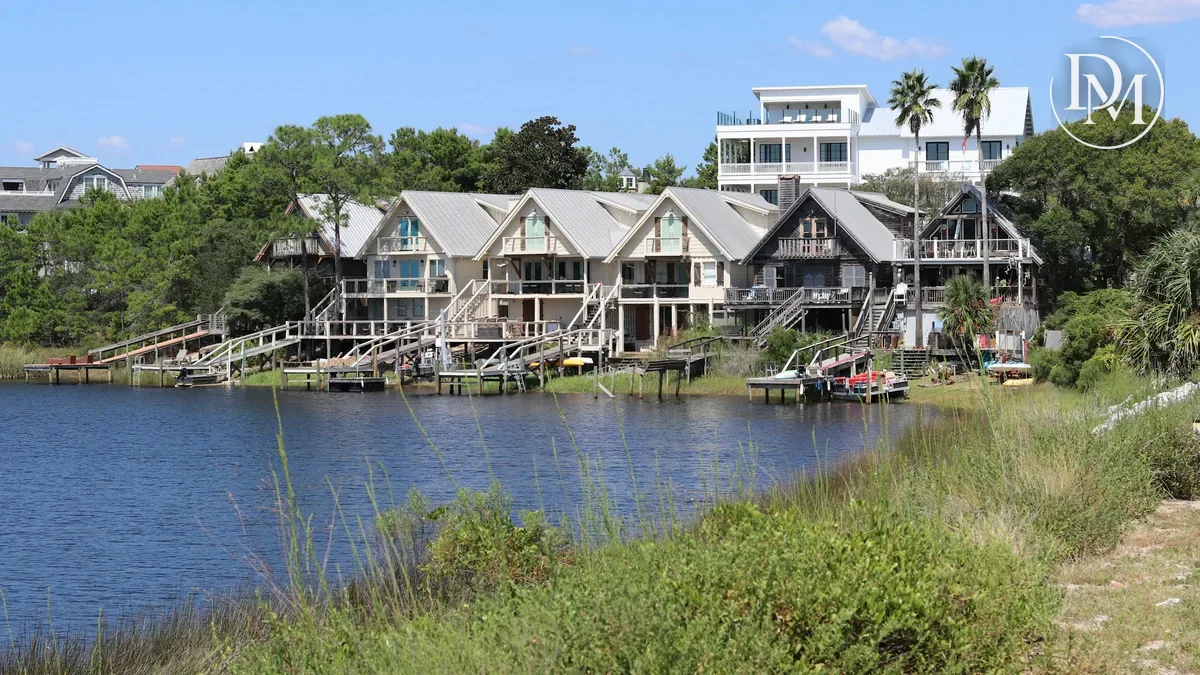
If the boat is part of why you're moving, it belongs on the must-have list from day one: a dock or a slip, a lift, room to store a trailer, and the route from your dock to open water. Waterfront homes are their own search. The Brick waterfront living guide is a good place to start, and the town pages for Brick, Toms River, Point Pleasant and Brielle show what's on the water.
See how I help buyers moving from another state on the relocation page, and get the full plan in my free Relocation Guide.
Frequently Asked Questions
How long can I use my out-of-state boat registration in New Jersey?
The MVC exempts boats "not based in New Jersey or operating for less than 180 consecutive days." Once your boat is based here, title and register it in New Jersey.
Does New Jersey accept out-of-state boating safety certificates?
For visitors under 90 days, yes. If you live here, the State Police can only issue a New Jersey certificate for a completed New Jersey-approved course.
How much does it cost to register a boat in New Jersey?
Pleasure-boat registration runs from $12 for boats under 16 feet to $250 for boats 65 feet or more. Title fees are separate.
Do kayaks need to be registered in New Jersey?
The MVC lists canoes and kayaks, along with other non-motorized craft, among the exceptions. A kayak with a motor is a power vessel and must be registered.
This is general information, not legal, tax or lending advice. Confirm current requirements and fees with the NJ MVC and the New Jersey State Police Marine Services Bureau.
About the author
Dennis Mark Interdonato is a REALTOR® and Master CDRE® who leads The Dennis Mark Group at Keller Williams Realty Ocean Living in Point Pleasant, NJ, helping buyers and sellers throughout New Jersey make their next move, with Monmouth and Ocean County as home base. He has been in construction since 2003, building and renovating New Jersey homes. Read more about Dennis Mark.
Keep reading
- How to register an out-of-state car in New Jersey
- How to research a Jersey Shore town before you visit
- Own a waterfront home already? See what it's worth with a free home value.
- Have a question this didn't answer? Send it to Dennis Mark and it may become the next article.