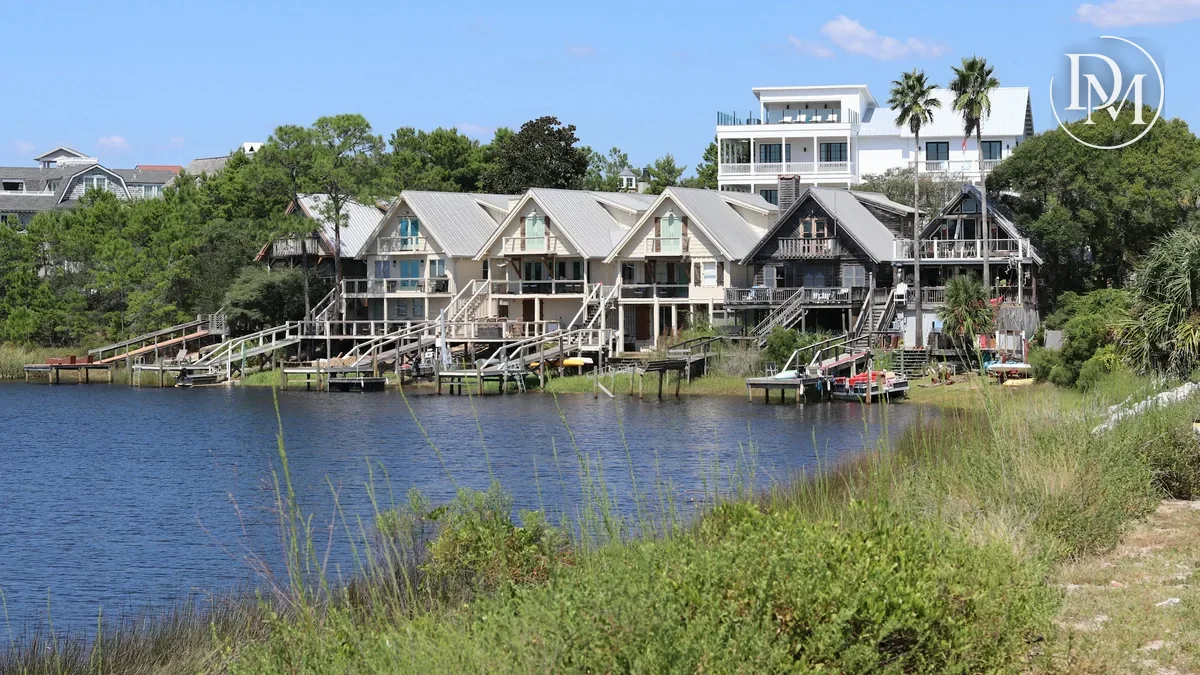

Home Loans Made Easy: A New Jersey Homebuyer’s Guide to Understanding Your Mortgage Options
Published | Posted by Dennis Mark Interdonato
- mortgage
- home loans
- Home Buying
- Insider Insights
Buying a home in New Jersey can feel exciting, and overwhelming at the same time. Between choosing the right neighborhood, making an offer, understanding property taxes, and figuring out financing, many buyers quickly discover that the mortgage process can seem complicated.
But it doesn't have to be.
Home loans made easy starts with understanding your options, preparing your finances, and working with the right real estate and mortgage professionals. Whether you're buying your first home in Monmouth County, moving to Ocean County, purchasing in Middlesex County, or relocating anywhere else in New Jersey, understanding the mortgage process before you start shopping can help you move forward with confidence.
This guide breaks down the home loan process into simple, practical steps for New Jersey homebuyers.
What Does "Home Loans Made Easy" Really Mean?
A mortgage is simply a loan used to purchase real estate. Instead of paying the full purchase price upfront, a qualified buyer borrows money from a lender and repays it over time.
Making the process easier isn't necessarily about finding one “perfect” mortgage. It's about finding the financing option that fits your:
- Income
- Credit profile
- Down payment savings
- Employment situation
- Debt obligations
- Long-term financial goals
- Type of property you want to purchase
The right loan for a first-time buyer purchasing a condominium in Freehold may be very different from the right financing strategy for a family buying a single-family home in Toms River or a professional relocating to Edison.
That's why mortgage planning should happen before serious house hunting begins.
Step 1: Know How Much Home You Can Afford
One of the biggest mistakes homebuyers make is focusing only on the home's purchase price.
Your actual monthly housing cost may include:
- Mortgage principal
- Mortgage interest
- Property taxes
- Homeowners insurance
- Private mortgage insurance, when applicable
- HOA or condominium fees, when applicable
This is especially important in New Jersey, where property taxes can significantly affect overall affordability.
For example, two homes with similar purchase prices, one in Monmouth County and another in Ocean County, may have very different monthly ownership costs because of differences in property taxes, insurance, HOA fees, or other expenses.
Before falling in love with a property, ask:
"What will my total monthly payment realistically look like?"
That question is often more valuable than simply asking how much a lender will approve.
Step 2: Get Pre-Approved Before You Start House Hunting
A mortgage pre-approval can help simplify nearly every part of the homebuying process.
During pre-approval, a lender reviews key financial information such as:
- Income
- Employment
- Credit history
- Assets
- Monthly debts
- Down payment funds
The goal is to determine how much financing you may qualify for and what type of mortgage may fit your situation.
A pre-approval can help New Jersey buyers:
- Understand their realistic price range
- Strengthen their purchase offers
- Identify financial issues early
- Shop more confidently
- Move faster when the right property becomes available
In competitive markets such as Middletown, Howell, Manalapan, Freehold, Red Bank, Toms River, Brick, Edison, and Old Bridge, being financially prepared can make a meaningful difference when multiple buyers are interested in the same home.
Step 3: Understand the Most Common Home Loan Options
There is no one-size-fits-all mortgage. Here are some of the most common financing options available to homebuyers.
Conventional Loans
Conventional mortgages are among the most common home loan options.
Depending on borrower qualifications and loan guidelines, conventional financing may offer:
- Competitive interest rates
- Various down payment options
- Fixed-rate and adjustable-rate options
- Financing for primary residences and, in some cases, additional property types
Some qualified buyers may be able to purchase with a down payment lower than the traditional 20%.
However, putting less than 20% down may require mortgage insurance depending on the loan structure.
FHA Loans
FHA loans are popular among many first-time buyers because they may offer more flexible qualification guidelines than some conventional mortgage options.
Potential benefits may include:
- Lower down payment requirements for qualified borrowers
- Flexible credit considerations
- Fixed-rate financing options
FHA financing can be especially helpful for buyers who have strong income but have not yet built a large down payment.
VA Loans
Eligible veterans, active-duty service members, and qualifying military borrowers may have access to VA financing.
Depending on eligibility and lender guidelines, VA loans may offer:
- Low or no down payment options
- No monthly private mortgage insurance requirement
- Competitive financing terms
New Jersey has a significant military and veteran community, making VA loan education particularly valuable for buyers throughout the state.
USDA Loans
USDA loans may be available for eligible properties located in designated areas.
For qualified borrowers, USDA financing can provide low or potentially no down payment options.
Property location and borrower eligibility are important factors, so buyers should confirm whether a specific New Jersey property qualifies.
Jumbo Loans
In higher-priced New Jersey markets, buyers may need financing above standard conforming loan limits.
Jumbo loans are commonly considered by buyers purchasing higher-priced homes in communities such as:
- Holmdel
- Colts Neck
- Rumson
- Alpine
- Short Hills
- Princeton
- Certain waterfront communities along the Jersey Shore
Jumbo financing typically has different qualification standards, so early mortgage planning is particularly important.
Step 4: You May Not Need a 20% Down Payment
One of the most common homebuying myths is that buyers must save 20% before purchasing a home.
While a larger down payment can reduce the amount borrowed, many qualified buyers purchase with significantly less.
Depending on the loan program and eligibility, options may include low-down-payment conventional loans, FHA financing, VA financing, and certain state or local assistance programs.
New Jersey homebuyers may also have access to programs through the New Jersey Housing and Mortgage Finance Agency (NJHMFA). The agency offers several homebuyer programs, including mortgage products and down payment assistance opportunities for qualified buyers. Program eligibility, income limits, purchase price limits, and property requirements can apply.
For example, current NJHMFA materials describe down payment assistance programs that may provide eligible buyers with assistance toward down payment and closing costs, with amounts varying based on eligibility and county. Certain first-generation homebuyer programs may allow additional assistance for qualified applicants.
The key takeaway?
Don't assume you need 20% down without exploring your actual financing options first.
Step 5: Understand Your Credit Before Applying
Your credit profile matters in mortgage qualification.
Lenders may evaluate factors such as:
- Payment history
- Credit utilization
- Length of credit history
- Existing debt
- Recent credit inquiries
- Types of credit accounts
A perfect credit score is not always required to buy a home. However, improving your credit profile before applying may expand your financing options and potentially improve your borrowing terms.
Before applying for a mortgage, consider:
- Reviewing your credit reports.
- Paying all bills on time.
- Reducing high credit card balances.
- Avoiding unnecessary new debt.
- Speaking with a mortgage professional before making major financial changes.
Step 6: Avoid Major Financial Changes During the Mortgage Process
Once you're preparing to buy a home, financial stability becomes important.
Before and during the mortgage process, avoid making major changes without first discussing them with your loan professional.
Examples include:
- Financing a new vehicle
- Opening new credit cards
- Making large unexplained deposits
- Changing jobs
- Reducing work hours
- Making large purchases on credit
Even a positive financial decision can affect mortgage qualification if it changes your debt, income, or financial documentation.
Communication is key.
The New Jersey Home Loan Process, Made Simple
While every transaction is different, the mortgage process generally follows a similar path.
1. Financial Consultation
Discuss your income, goals, credit, savings, and potential budget.
2. Mortgage Pre-Approval
A lender reviews your financial information and determines potential financing options.
3. Start House Hunting
Once you understand your budget, you can work with a real estate professional to identify properties that fit your needs.
4. Make an Offer
When you find the right home, your real estate agent helps structure and submit a competitive offer.
5. Loan Application and Documentation
After your offer is accepted, the lender collects the documentation needed for loan processing.
6. Appraisal and Underwriting
The lender reviews the property and your financial file to confirm the transaction meets applicable lending requirements.
7. Final Approval and Closing
Once all conditions are satisfied, the transaction moves toward closing.
The NJHMFA's homebuyer roadmap similarly outlines a step-by-step process that includes education, connecting with a lender, finding a home, loan processing, underwriting, and closing.
Hyperlocal Mortgage Considerations for New Jersey Buyers
New Jersey is not one housing market.
Mortgage planning can look different depending on where you want to buy.
Buying in Monmouth County
Homebuyers in communities such as:
- Freehold
- Howell
- Middletown
- Manalapan
- Marlboro
- Holmdel
- Red Bank
- Long Branch
may encounter varying price points, property taxes, condominium fees, and competition levels.
Buyers should evaluate the total cost of ownership, not just the listing price.
Buying in Ocean County
Communities such as:
- Toms River
- Brick Township
- Jackson
- Lakewood
- Manchester
- Barnegat
- Lacey
- Point Pleasant
offer a diverse range of property types and price points.
Buyers considering coastal or waterfront properties should also factor insurance requirements and property-specific expenses into their mortgage planning.
Buying in Middlesex County
In areas such as:
- Edison
- Old Bridge
- Monroe
- East Brunswick
- South Brunswick
- New Brunswick
- Perth Amboy
buyers may face competitive demand and varying housing options, including single-family homes, townhomes, and condominiums.
A strong pre-approval and a clear understanding of monthly affordability can help buyers act more confidently.
Buying in North Jersey
Higher-priced markets in Bergen, Hudson, Essex, and Morris Counties may require buyers to explore higher loan amounts or specialized financing strategies.
This makes early conversations with both a real estate agent and mortgage professional especially valuable.
How Real Estate Agents Help Make Home Loans Easier
A real estate agent doesn't approve the mortgage, but a knowledgeable agent helps buyers navigate the overall transaction.
Your agent can help you:
- Understand local market conditions
- Connect with experienced mortgage professionals
- Evaluate homes within your realistic budget
- Compare property features and ownership costs
- Structure competitive offers
- Navigate inspections and negotiations
- Coordinate with lenders, attorneys, and other professionals
- Stay organized from contract to closing
The best homebuying experiences often happen when the real estate agent and mortgage professional work together from the beginning.
Questions to Ask Before Choosing a Mortgage
Before selecting a home loan, ask:
- What loan programs do I qualify for?
- How much down payment will I need?
- What will my estimated monthly payment include?
- Are property taxes included in the payment estimate?
- Will I need mortgage insurance?
- What closing costs should I expect?
- Are there first-time homebuyer programs I should explore?
- Is down payment assistance available?
- How long will the loan process take?
- What documents should I prepare?
- What financial changes should I avoid before closing?
The more questions you ask early, the fewer surprises you're likely to encounter later.
Frequently Asked Questions About Home Loans in New Jersey
Is it hard to get a home loan in New Jersey?
It depends on your financial profile and the loan program. Factors such as income, credit, debt, employment, and down payment savings all influence qualification. The best first step is speaking with a qualified mortgage professional to understand your options.
How much money do I need to buy a house in New Jersey?
The amount varies based on the home's price, loan program, down payment, closing costs, and available assistance programs. Some qualified buyers may purchase with less than 20% down.
Can first-time homebuyers get assistance in New Jersey?
Potentially. NJHMFA offers mortgage and down payment assistance programs for qualified homebuyers, subject to eligibility requirements and program guidelines.
Do I have to live in New Jersey already to qualify for New Jersey homebuyer programs?
Not necessarily. According to NJHMFA's homebuyer FAQs, buyers do not have to already be New Jersey residents, but the purchased property must be located in New Jersey and generally be occupied as a principal residence.
Is a 20% down payment required?
No. Many mortgage programs offer qualified buyers lower down payment options. However, your available options depend on your credit, income, loan type, and other eligibility factors.
Should I get pre-approved before looking at homes?
Yes. A pre-approval can help you understand your potential price range and demonstrate to sellers that you are a serious buyer.
Can I buy a house with student loans or credit card debt?
Possibly. Having debt does not automatically prevent you from qualifying for a mortgage. Lenders evaluate your overall financial profile, including income and debt obligations.
How long does the mortgage process take?
Every transaction is different. Timing can depend on documentation, appraisal scheduling, underwriting requirements, property issues, and other factors. Preparing documentation early can help prevent unnecessary delays.
What credit score do I need to buy a house?
Credit requirements vary by loan program and lender. Rather than assuming you don't qualify, speak with a mortgage professional who can evaluate your individual situation and explain available options.
What is the easiest way to make the home loan process less stressful?
Preparation and communication. Get pre-approved early, understand your budget, avoid major financial changes, and work with experienced professionals who communicate clearly throughout the transaction.
Final Thoughts: Home Loans Don't Have to Be Complicated
Buying a home is one of the biggest financial decisions you'll make, but the mortgage process doesn't have to feel overwhelming.
The key to making home loans easy is starting with the right information.
Before you begin searching for homes in New Jersey:
- Understand your financial picture.
- Explore your mortgage options.
- Get pre-approved.
- Learn about potential assistance programs.
- Calculate your full monthly housing costs.
- Work with professionals who understand your local market.
Whether you're buying your first home in Monmouth County, moving to Ocean County, purchasing in Middlesex County, or exploring opportunities elsewhere in New Jersey, preparation can help turn a complicated process into a clear, manageable path toward homeownership.
Ready to make your New Jersey homebuying journey easier? Start by connecting with an experienced real estate professional and mortgage expert who can help you understand your options before you begin your home search. The right preparation today can put you one step closer to getting the keys tomorrow.