Showings and Privacy When You're Separated and Selling Your Home in New Jersey
Published | Posted by Dennis Mark Interdonato
- Divorce
- Home Selling
- Home Staging
- Showings
You can sell your home while you're separated without buyers or neighbors learning why, and without the two of you coordinating every showing directly. It takes a written showing plan both owners approve before the home goes live, and marketing that sells the house without a word about your situation.
I'm Dennis Mark Interdonato with The Dennis Mark Group at Keller Williams Realty Ocean Living, and I'm a Master CDRE®, trained for home sales during a divorce. Privacy isn't an extra in a divorce sale. It's part of getting the best price, because anything that signals pressure gives a buyer a reason to offer less.
Does the listing have to say it's a divorce sale?
No. The marketing sells the home: the rooms, the updates, the yard, the location. Nothing in it tells the public why the home is for sale.
Buyers' agents do ask why the owners are selling. My answer is about the house, never about the people in it. The reason you're selling is yours, and it stays between you, your professionals and me.
How do showings work when only one of you lives there?
It's common for one spouse to have moved out by the time the home is listed. That's workable, as long as the rules are clear before the first showing. The showing plan answers these questions in writing:
- Notice. How much notice the person living there gets before a showing, and how they get it.
- Show-ready. Who keeps the home clean and ready, and what happens when a buyer wants to see it on short notice.
- Access. Where the key or lockbox is, who has the code, and when the code changes.
- Being away. Where the person living there goes during showings, and what happens with pets.
- Visits. Whether the spouse who moved out comes to the property, and when. That one is a question for your attorneys.
If there's a restraining order between you, the order controls everything, including showings and who can be at the property. Your attorney tells me what it allows, and the plan is written around it. No exceptions, no workarounds.
How do showings work when you both still live there?
It happens more often than people think, and it works when the rules are settled before the first showing. Add these to the plan:
- Split the prep. Each of you keeps your own rooms ready. The shared spaces, like the kitchen, the living room and the baths, go on one written checklist, so nobody's keeping score.
- Nobody home during a showing. Never both of you at once, and ideally neither. Buyers shouldn't walk into tension, and you shouldn't have to sit through a stranger's opinion of your kitchen.
- Agree on any room that's off limits. Only if your agreement or an order calls for it. Buyers want to see every room, so keep that list short.
- No private arrangements. Every showing request and every change goes to both of you at the same time.
- Problems come to me in writing. Not to each other, and never in front of a buyer.
Buyers notice whether they can get in, how the scheduling is handled and how the house looks.
How do you protect your privacy during showings?
Strangers walk through a home for sale, and they look at everything. Before the photographer comes and before the first showing:
- Put away anything personal. Framed photos, mail, calendars, and every paper that has to do with the case. Papers left on a kitchen counter get read.
- Lock up or remove valuables. Documents, prescriptions, jewelry and small electronics shouldn't be in reach.
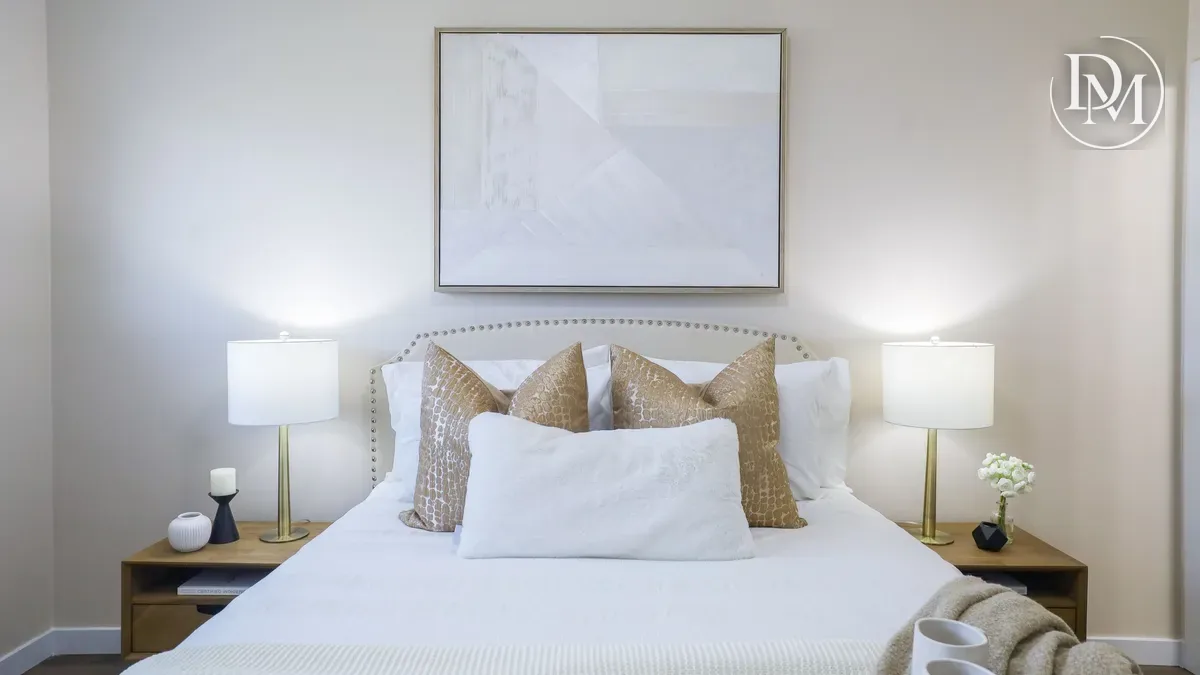
- Fill the gaps. Half-empty closets and a bedroom with no furniture tell a story. Staging fixes that, and it helps the photos too. See how home staging works.
- Keep your schedule private. Showing instructions say how to get in, never when either of you comes and goes.
- Let me answer the questions. If a buyer or an agent asks either of you something at the property, send them to me. Offhand comments about timing or price are how negotiating power gets lost.
Can you hold an open house during a divorce sale?
Yes, if both owners agree to it, or your agreement or order allows it. If we hold one:
- Papers, mail, anything about the case, and valuables are put away before the doors open, the same as for a showing.
- Questions get answers about the house, never about the owners or why it's for sale.
People at an open house are looking at the condition, the price and the value. Run well, the reason for the sale never comes up. For how open houses work for buyers right now, read are open houses making a comeback?
What if nobody is living in the house?
An empty home can show well once it's staged, but check your insurance first. The New Jersey Department of Banking and Insurance's summary of homeowners policies lists losses when a house is vacant for the number of days your policy specifies among the common exclusions. Call your insurance agent before the home sits empty, and ask your attorneys who pays the utilities and the policy until closing.
How do both owners stay informed without talking to each other?
Every update goes to both owners at the same time, in writing: the showing schedule, the feedback, and every offer. Neither of you gets a private version of the sale. If you'd rather not be on the same email, each of you gets your own identical copy. If you want your attorneys copied, they are. The photographer, the inspector and the appraiser get booked the same way: through me, with the time sent to both of you.
I've sold a home where that was the only way it could work. A judge appointed me to list and sell a marital home in Monmouth County, and the two owners weren't allowed to speak to each other. One of them worked to stall the sale all the way to the township's final inspection. I kept the process neutral, kept the court and both attorneys informed at every step, and got the home to the closing table within five months of my appointment.
If one of you is staying in the home while it's for sale, read the questions to ask your attorney before you decide. And because a clean launch is what protects your price, see why the first two weeks matter in a divorce sale.
Frequently Asked Questions
Will buyers know we're getting divorced?
Not from me or from the marketing. The listing describes the home, and questions about why you're selling get an answer about the house. What you share with neighbors or friends is up to you.
Can one of us refuse to allow showings?
Ask your attorney what your agreement or any court order says about cooperating with the sale. The best protection is a showing plan both owners sign before the home is listed, so the rules are settled before anyone is tired of them.
Should we stage the house if one of us has moved out?
Usually, yes. Empty rooms and half-full closets make a home feel unfinished in photos and in person. Staging can be as light as moving furniture around and clearing out what's left.
Should either of us be home for showings?
Ideally, no. You avoid being asked questions that are better answered by your agent.
This is general information, not legal, tax or lending advice. Your attorney has the final word on what your agreement or any court order allows.
About the author
Dennis Mark Interdonato is a REALTOR® and Master CDRE® who leads The Dennis Mark Group at Keller Williams Realty Ocean Living in Point Pleasant, NJ, helping buyers and sellers throughout New Jersey make their next move, with Monmouth and Ocean County as home base. Read more about Dennis Mark.
Keep reading
- The divorce home sale guide
- How Dennis Mark keeps a divorce sale neutral
- Fix it or sell as-is in a divorce?
- What's your home worth? Start with a neutral number
- Have a question this didn't answer? Send it to Dennis Mark.