Estate Sale or Clean-Out First? Emptying a Loved One's House Before Selling in NJ
Published | Posted by Dennis Mark Interdonato
- Probate & Estates
- Home Selling
- Ocean County
- Monmouth County
In most estates the order is: confirm who has authority over the contents, set aside anything the will leaves to a named person, hold the estate sale, donate what's left, and then bring in the clean-out crew. The house goes on the market empty, because buyers need to see the house, not the belongings.
I'm Dennis Mark Interdonato with The Dennis Mark Group. An estate home in Monmouth or Ocean County usually comes to me full, sometimes with decades of furniture, paperwork and things nobody has decided about yet. I can arrange the estate sale and a full clean-out, so the family doesn't have to sort it room by room. Here's the order that keeps it fair and keeps the sale on schedule.
Who decides what happens to the contents?
The person with authority over the estate, and the estate's attorney confirms who that is before anything leaves the house. New Jersey's fiduciary powers statute, N.J.S.A. 3B:14-23, gives an executor or administrator the power to sell estate property at public or private sale, except property the will specifically gives to someone. The Ocean County Surrogate's guide lists locating and inventorying the estate's assets as part of the executor's job, and the contents of the house are assets.
That's why the estate sale waits for the appointment. Until someone has authority, the safest plan for the belongings is to lock the door and leave them where they are.
What order should you empty the house in?
- Find the paperwork first. Before a single box goes out, search for the documents the estate will need. The Monmouth County Surrogate's checklist of important papers includes the original will, real estate deeds, insurance policies, tax returns, bank and investment statements, the motor vehicle title, trust agreements, storage unit information and the safe-deposit box key and location.
- Set aside what the will names. The Monmouth Surrogate's guide notes a will can include bequests, which are specific gifts of personal property to people or organizations. Those items come out first and go where the will says.
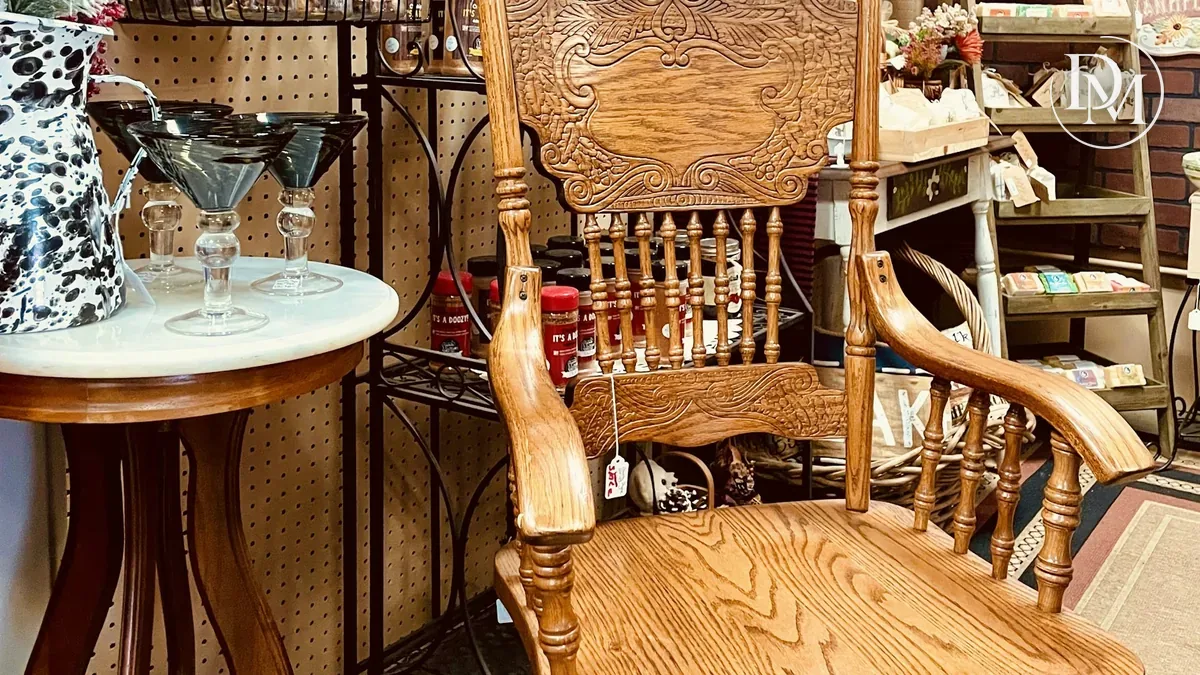
- Hold the estate sale. An estate sale company sells what has value. Ask before you sign how they're paid, how long the sale runs, how pricing works and what happens to anything that doesn't sell.
- Donate what's left that's usable.
- Bring in the clean-out crew. Everything else goes, and the house is left broom clean.
- Then the builder's walk-through and photos. An empty house shows its floors, walls and basement, which is exactly what I need to see before recommending repairs and a price.
Does the estate have to report the contents for taxes?
Often, yes, even though the contents don't need a tax waiver to move. The NJ Division of Taxation lists household goods, personal effects, collections and motor vehicles among the property that can be transferred without a waiver, and then adds that all of a decedent's property, including property transferred without a waiver, must still be reported on the inheritance or estate tax return when one is filed. The Division's inheritance tax page notes that, depending on who inherits, cars and other tangible personal property can be taxed, and its executor guide says assets are reported at their fair market value on the date of death.
So keep a record of what was sold and for how much, and ask the estate's accountant whether anything valuable should be appraised before the sale. The estate sale company's final accounting is a good start.
What about the car in the garage?
It needs paperwork too. The Ocean County Surrogate's guide says that when a car's title is in the decedent's name alone, the personal representative brings a Surrogate's certificate or affidavit along with the original title, registration and insurance card to transfer it. Keep the title with the estate papers, not in the glove box headed to the clean-out.
Why list the house empty instead of as-is with the contents?
Buyers price what they can see. A full house hides the condition of the floors, the walls and the basement, and buyers fill in the unknowns with their own worst guess. An empty, clean house photographs better, shows better, and lets me give the estate a real read on what's worth fixing. The first two weeks on the market set the price, so the house should go live ready, not halfway there.
There are exceptions. If the estate wants to sell to an investor as-is and fast, the contents question changes. I'll show the estate both plans, with what each one should bring, and the estate decides.
What are the common clean-out mistakes?
- Starting before the will is read. Items left to a named person can't be sold or tossed.
- Throwing away paperwork. Old statements, policies and tax returns can matter to the estate. Box them for the executor instead.
- Clearing computers and phones. The Monmouth Surrogate's guide includes digital accounts in its checklist. Hand devices to the executor as they are.
- Letting the clean-out crew go first. Things of value end up in a dumpster.
- Keeping no record of sales. The estate may need it for the return and for the heirs.
Frequently Asked Questions
Should we have an estate sale before selling the house?
In most cases, yes. Set aside what the will names, then hold the sale and finish with a clean-out, so the house lists empty.
Can we sell the house with everything still in it?
You can, usually to an investor buying as-is. A cleared house tends to show better to most buyers, so I'll lay out both options with numbers.
Do household items need an inheritance tax waiver?
No. The NJ Division of Taxation says household goods and personal effects can be transferred without a waiver, but all property is still reported on the return when one is required.
Who pays for the estate sale and the clean-out?
Ask the estate's attorney how the estate should handle those costs. I can line up the people who do the work.
This is general information, not legal, tax or lending advice. The estate's attorney confirms who has authority over the contents.
About the author
Dennis Mark Interdonato is a REALTOR® and Master CDRE® who leads The Dennis Mark Group at Keller Williams Realty Ocean Living in Point Pleasant, NJ, helping buyers and sellers throughout New Jersey make their next move, with Monmouth and Ocean County as home base. See how I handle estate sales and probate home sales.
Keep reading
- The free Estate & Probate Guide
- Find out what the house is worth
- How to sell an inherited house in New Jersey
- How to protect a vacant inherited house
- Staging a home for sale
- Have a question this didn't answer? Send it to Dennis Mark.