Do You Have to Disclose Lead Paint When You Sell a Home in NJ?
Published | Posted by Dennis Mark Interdonato
- Insider Insights
- Selling a home in New Jersey
- home selling
Yes, if the home was built before 1978. Federal law says a seller has to give the buyer a lead paint disclosure form, an EPA pamphlet, any lead reports the seller has, and a chance to test, all before the buyer is bound by the contract.
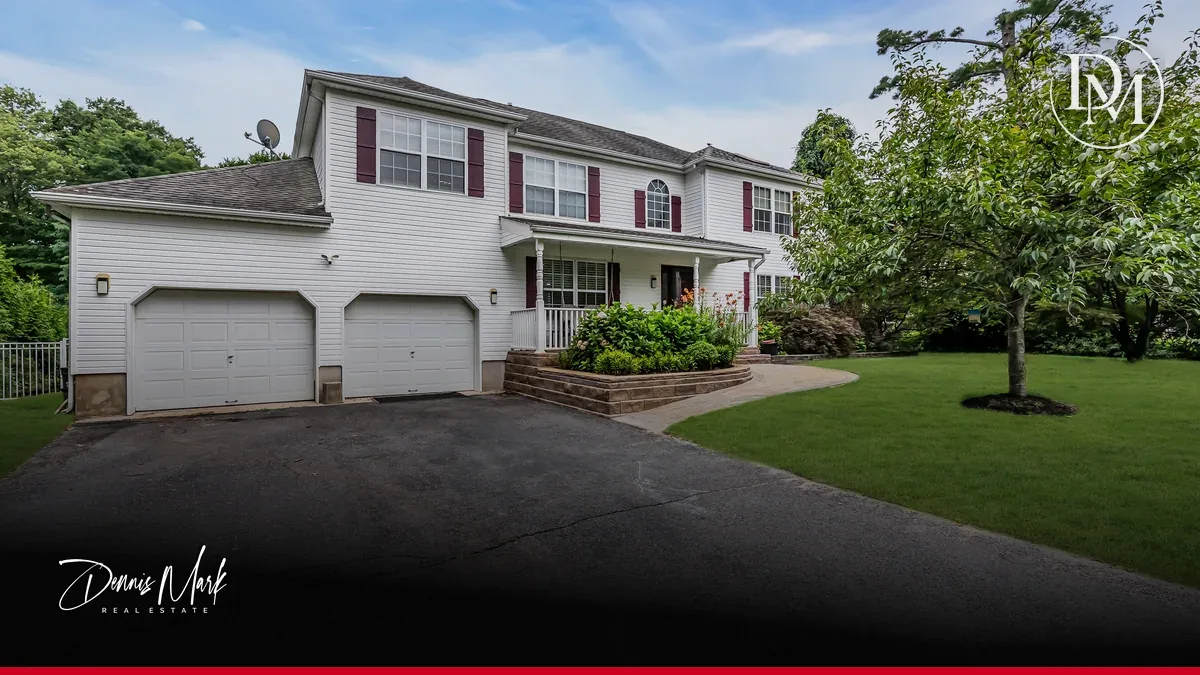
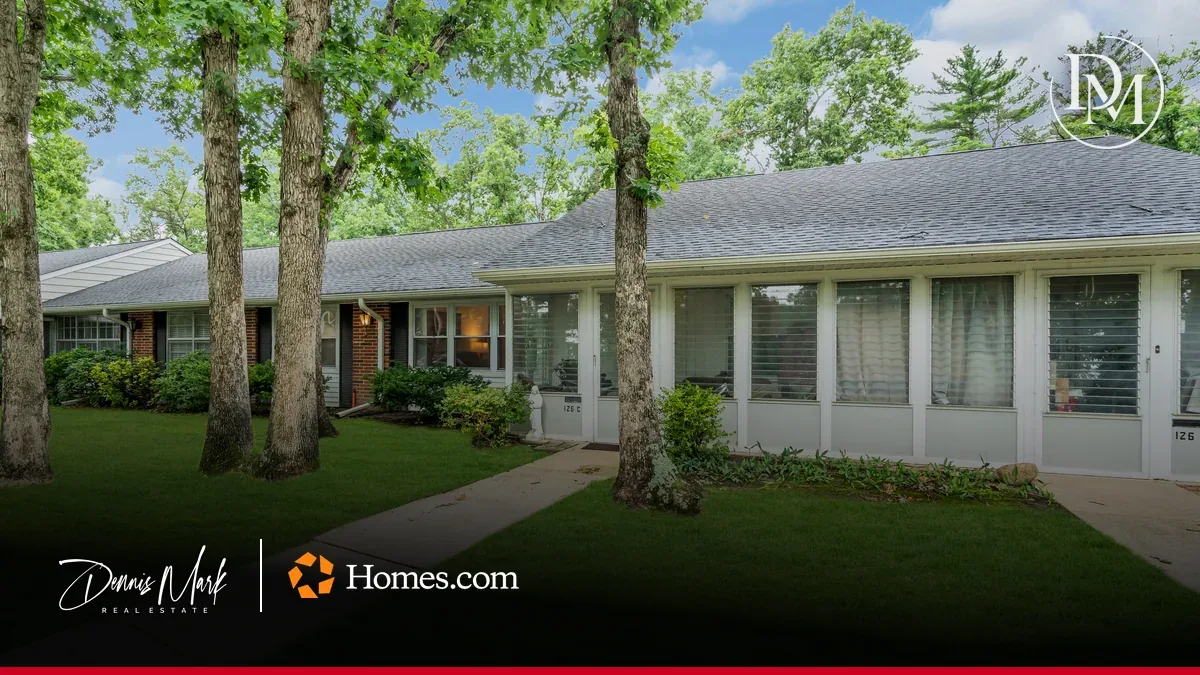
I'm Dennis Mark Interdonato, a REALTOR® and Master CDRE® with The Dennis Mark Group at Keller Williams Realty Ocean Living. If you're selling an older cape, ranch or split-level anywhere in Monmouth or Ocean County, check the year it was built. If it's before 1978, this rule comes with the sale. Here's what it asks of you and how to get it right the first time.
First, where I stand. I sell homes. I'm not an attorney, and I'm not licensed to give legal advice. This is my own reading of the federal regulation and the EPA's and New Jersey Department of Community Affairs' guidance on November 17, 2026. I could have something wrong, so confirm your own situation with your real estate attorney.
Which homes does the lead paint disclosure rule cover?
The rule covers most housing built before 1978. The EPA explains why the line falls there: the Consumer Product Safety Commission banned residential lead-based paint in 1978, so homes built after 1977 aren't covered.
The year the home was built is what counts, not the year you bought it or the year you renovated it.
The EPA lists a few exceptions. The ones sellers ask me about most are these:
- Homes built in 1978 or later.
- Foreclosure sales.
- Homes where a certified inspector tested the painted surfaces and found them free of lead-based paint.
There are a few other narrow exceptions. If you think one fits, ask your attorney before you skip the form.
What does a seller have to hand the buyer?
The federal regulation lists the steps, and the EPA's real estate page puts them in plain terms. Before the buyer is obligated under the contract, the seller has to:
- Give the buyer the EPA pamphlet, Protect Your Family From Lead in Your Home, or an approved equivalent.
- Disclose what you know about lead-based paint or lead-based paint hazards in the home. The regulation says that includes how you know, where the paint is and the condition of the painted surfaces.
- Hand over any records or reports you have, such as an old lead inspection or risk assessment.
- Attach the Lead Warning Statement to the contract, in the same language as the contract.
- Give the buyer a 10-day window to have the home inspected or assessed for lead.
The EPA publishes a sample seller's disclosure form in English and Spanish. The EPA says sellers aren't required to use its sample, although many do.
One timing rule matters a lot. The regulation says that if any of these steps happens after the buyer has made an offer, the seller has to finish them before accepting the offer and give the buyer a chance to review the information and possibly change the offer. That's why it pays to have the lead form ready when you list, not when the first offer comes in.
Do I have to test my home for lead before I sell?
No. The regulation says nothing in the disclosure section puts a duty on the seller to test the home or fix anything. Your duty is to share what you already know and what's in your files.
If you've never tested and have no reports, the form lets you say so. What you can't do is leave out a report you have. If a past inspection found lead-based paint on the window trim, that report goes to the buyer.
Can a buyer skip the 10-day lead inspection?
Yes. The regulation lets a buyer waive the inspection opportunity in writing. The EPA also says the buyer and seller can agree in writing to a longer or shorter period than 10 days.
Is there a New Jersey rule on top of the federal one?
There's one for homes that are rented out. New Jersey's lead law for rentals, P.L. 2021, c. 182, requires certain pre-1978 rental dwellings to be inspected for lead-based paint hazards every three years or at tenant turnover, according to the Department of Community Affairs.
It matters at a sale. The DCA says owners must give any prospective owner a copy of the state rule, N.J.A.C. 5:28A, any lead-safe certifications, and the DCA's guidance document, Lead-Based Paint in Rental Dwellings, during the real estate transaction. The DCA also says a lead-safe certificate is valid for two years.
If you're selling a two-family in Long Branch or a rented cape in Toms River, pull those papers together before we list. If it's always been your own home and you never rented it, the rental inspection law isn't the part that applies to you.
When a buyer does want a lead inspection, the DCA says it certifies lead evaluation contractors in New Jersey, and the Department of Health licenses individual lead inspectors and risk assessors.
What happens if a seller skips the disclosure?
The regulation says a person who knowingly fails to comply can face civil penalties, and a person who knowingly violates it can be liable to the buyer for three times the damages. The rule also makes the seller and the agent keep a signed copy of the disclosure for at least three years after the sale.
That's part of my job, too. The rule says the agent has to tell the seller about these duties and make sure they're done. You won't be left to figure this out alone.
Frequently Asked Questions
Which version of the EPA lead pamphlet do I give the buyer?
The EPA released a revised 2026 version of Protect Your Family From Lead in Your Home. It says you don't have to throw out older copies, but if you use one, add the EPA's supplement so the buyer gets the updated information.
Does the rule apply to a condo or co-op?
It can. The EPA's page names condominiums, and the regulation counts transferring shares in a co-op as a sale. For a building, records about common areas count too.
My home was built in 1978. Do I need the form?
No. The rule covers housing built before 1978, so a home built in 1978 or later is outside it.
One more time, so it's clear: this is my research, not legal advice. I'm a REALTOR®, not an attorney, and your attorney has the final word on your contract. If you're getting an older home ready to sell and want a list of the papers to gather, send me a note with the form below. Next, read the paperwork you need to sell a home in New Jersey, or browse more Insider Insights.
This is general information, not legal, tax or lending advice. Sources: the federal Lead-Based Paint Disclosure Rule (40 CFR Part 745, Subpart F), the EPA's real estate disclosure pages and the New Jersey Department of Community Affairs' rental lead inspection page, read November 17, 2026.
About the author
Dennis Mark Interdonato is a REALTOR® and Master CDRE® who leads The Dennis Mark Group at Keller Williams Realty Ocean Living in Point Pleasant, NJ, helping buyers and sellers throughout New Jersey make their next move, with Monmouth and Ocean County as home base. Read more about Dennis Mark.