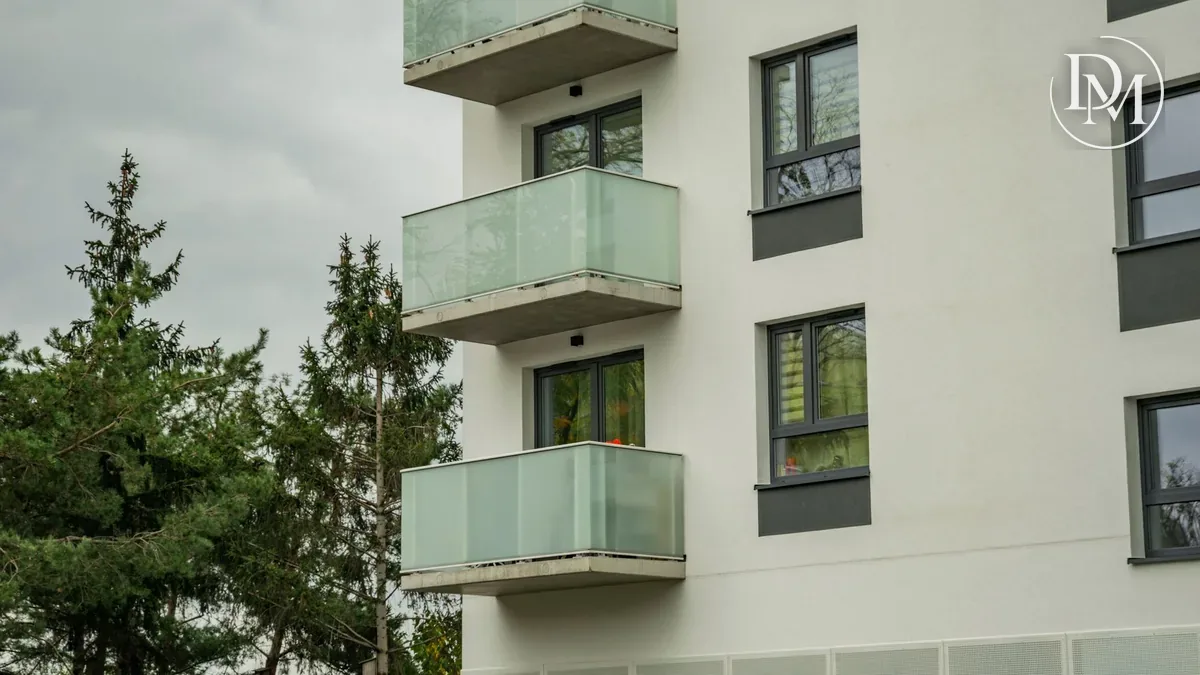
Moving From a House to a Condo or Townhouse in NJ What Changes
Published | Posted by Dennis Mark Interdonato
- Downsizing
- Condos
- HOA Fees
- Homeowners Insurance
When you trade a house for a condo in New Jersey, you hand the shared parts of the property to an association: it maintains the common areas, carries a master insurance policy, charges a monthly fee and sets the rules. You keep your own unit, your own insurance for what the master policy doesn't cover, and your own property tax bill. Knowing exactly where that line falls is the whole game.
I'm Dennis Mark Interdonato with The Dennis Mark Group. Many of the homeowners I help in Monmouth and Ocean County move from a house they've maintained for decades to a condo or townhouse so they can stop climbing ladders. It's a great move when you know what changes. Here's the list.
Who maintains what in a condo?
The master deed decides. The NJ Department of Community Affairs describes the common areas of a condominium as all the parts of the property that aren't part of an individual unit, shared by everyone, with the cost of maintaining them treated as a common expense split among the owners (NJ Department of Community Affairs). What counts as your unit, though, varies by community. In one, the windows, the deck and the HVAC equipment are yours. In another, some of them belong to the association.
Before you make an offer, ask for the master deed, the bylaws and the rules, and look for a list of who maintains and replaces what. As a former New Jersey home builder and remodeler, I read the unit's mechanicals and the building's roof, siding and windows the same way I'd read a house, because even when the association owns them, their age shows up in the fee and the reserves.
What does condo insurance cover?
Two policies work together. The association carries a master policy. Your own condo policy, according to the NJ Department of Banking and Insurance, protects your personal property, improvements, additions and items not covered by the association's master policy, plus personal liability, medical payments to others and additional living expenses (NJ DOBI). The State's sample summary for condo policies says the dwelling coverage applies to property permanently installed in your unit that the association's policy doesn't cover, and that companies may offer optional coverages, including loss assessment (NJ DOBI condominium summary).
So ask the association for a summary of the master policy and its deductible, then have your insurance agent build your policy around it.
What should you check on the unit itself?
Even with an association, the inside is usually yours. Check the age of the water heater, the heating and cooling equipment, and the windows if the documents make them your responsibility. Look at the ceilings under any unit above you and under the sinks for signs of past leaks, and ask the association whether it has records of repairs involving the unit. Your home inspector covers the unit, and the association's documents cover the building. Between the two, you should know what you're taking on before attorney review ends.
What does the monthly fee pay for?
Your share of the common expenses: typically things like landscaping, snow removal, exterior upkeep, shared utilities, insurance, management and savings for future repairs. Get the current budget, not only the monthly number.
The savings piece is regulated. New Jersey requires associations of planned real estate developments to undertake and fund a capital reserve study, which looks at the condition of the common components and proposes a 30-year funding plan. Condo and co-op buildings with a concrete, masonry, steel or similar load-bearing structure also need periodic structural inspections, with the reserve study reviewed at least every five years (NJ Department of Community Affairs). Ask for the most recent reserve study and how the current fee lines up with it. More in HOA and condo fees in New Jersey.
What rules change when you move to a condo?
Things you never had to ask about in a house: pets, parking, rentals, guests, grills, satellite dishes, flooring, and approval for renovations or exterior changes. None of these are bad. They're the price of someone else handling the snow. Read the rules before you fall for the unit, and bring your list of must-haves.
You also get a say. The DCA's Association Regulation Initiative provides information to condominium owners about their rights to access financial records, public meetings and alternate dispute resolution (NJ Department of Community Affairs).
What happens with property taxes and relief?
- Your own bill. A condo unit is assessed on its own, with its own block, lot and qualifier (2025 PAS-1 instructions). I pull the actual tax bill on every unit on your list.
- ANCHOR. If you own the condo and pay property taxes on the unit, you count as a homeowner (NJ Division of Taxation). Moving can change your relief, so read what happens to ANCHOR, Senior Freeze and Stay NJ when you move.
Is a townhouse the same as a condo?
Not always. "Townhouse" describes the style, attached homes side by side. The ownership can be a condominium or fee simple, where you own the building and the land under it. That changes who maintains the roof and what you insure. See is a townhouse a condo in New Jersey? and the comparison in townhouse vs. condo vs. single-family home. If you're looking at a co-op instead, read co-op vs. condo.
Frequently Asked Questions
Do I need my own insurance if the condo association has a master policy?
The master policy covers what the association insures. A condo owner's policy covers your belongings, improvements and items the master policy doesn't, plus liability. Check whether your association's documents require one.
What should I ask for before buying a condo?
The master deed, bylaws, rules, current budget, most recent capital reserve study, a summary of the master insurance policy, and the current fee and what it covers.
Who fixes the roof in a condo?
Usually the association, if the roof is a common element, but the master deed decides. Read it before you make an offer.
Do condo owners get ANCHOR in New Jersey?
Yes, if they own the unit, pay property taxes on it and meet the other program rules.
This is general information, not legal, tax or lending advice. Sources are the NJ Department of Community Affairs, NJ Department of Banking and Insurance and NJ Division of Taxation pages linked above, checked October 10, 2026. Your attorney reviews the association documents during attorney review.
About the author
Dennis Mark Interdonato is a REALTOR® and Master CDRE® who leads The Dennis Mark Group at Keller Williams Realty Ocean Living in Point Pleasant, NJ, helping buyers and sellers throughout New Jersey make their next move, with Monmouth and Ocean County as home base. Read more about Dennis Mark.
Keep reading
- How Dennis Mark plans a downsizing move and the Downsizing Guide
- Buying a house vs. a condo in New Jersey
- How to downsize your home in New Jersey, step by step
- See what your current home is worth with a free home value.
- Have a question this didn't answer? Send it to Dennis Mark and it may become the next article.