Add a First-Floor Bedroom or Move to a Single-Level Home in New Jersey?
Published | Posted by Dennis Mark Interdonato
- Downsizing
- Home Improvement
- Single-Level Homes
- Permits
It depends on the house, the lot and the budget. If your home has room on the first floor for a bedroom and a full bath, a remodel can work; if it doesn't, a single-level home is usually the cleaner answer. The way to decide is with real numbers on both sides: a contractor's written price for the work, next to what your home would sell for and what a single-level home costs.
I'm Dennis Mark Interdonato with The Dennis Mark Group at Keller Williams Realty Ocean Living. Before I sold homes, I built and remodeled them in New Jersey, so I've seen both sides of this one. Here's how I'd think it through if you're weighing a remodel against moving to a smaller home in Monmouth or Ocean County.
What does a first-floor bedroom conversion usually involve?
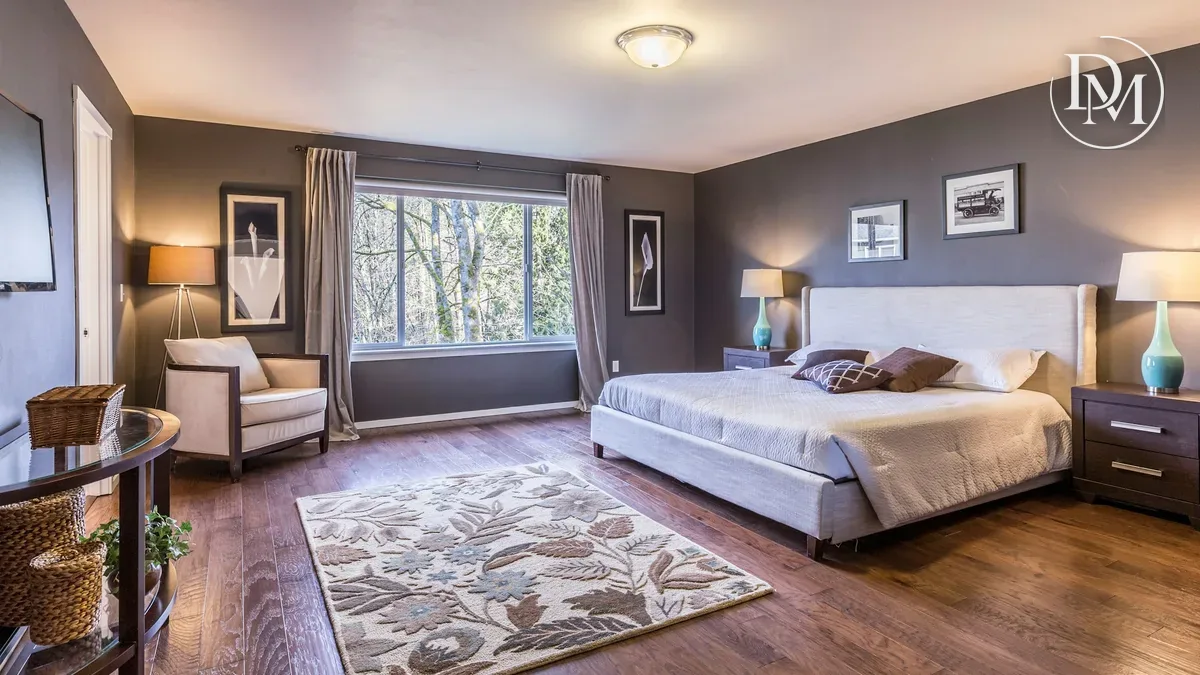
Turning a den, office or family room into a bedroom suite is rarely only paint and a bed. It usually means:
- A bathroom. A full bath on the first floor is the expensive part, and it depends on where the plumbing can run.
- A closet and a door. Sometimes a wall comes out, sometimes one goes up.
- Light, heat and air. Outlets, a circuit, and making sure the room is heated and cooled like the rest of the house.
- Code requirements for a bedroom, which the town's construction official checks.
If there's no room to convert, the next option is an addition, which brings the lot, setbacks and a foundation into it. That's when the numbers can start to look like a move.
What permits does New Jersey require?
Under the Uniform Construction Code, it's unlawful to construct, enlarge, repair, renovate or alter a building without first applying for and getting the required permit (N.J.A.C. 5:23-2.14). Ordinary maintenance doesn't need one, but the code says ordinary maintenance doesn't include cutting load-bearing walls or beams, changing the means of egress, work affecting structural or fire safety, or adding or relocating piping or wiring (N.J.A.C. 5:23-2.7). A bedroom conversion with a new bathroom hits several of those.
The Department of Community Affairs' guide says a permit is needed for new construction and for structural, plumbing, mechanical and electrical work, and towns must act within 20 business days of a complete application (NJ DCA). When the work is done, the altered space can't be used until the town issues a certificate of approval, and an addition that increases the home's area needs a certificate of occupancy (N.J.A.C. 5:23-2.23).
How do you hire the contractor?
- Registered only. Home improvement contractors have to register with the NJ Division of Consumer Affairs (N.J.S.A. 56:8-138), and the Division says unregistered contractors won't be issued municipal construction permits. You can check a registration at 800-242-5846.
- In writing. A contract over $500 has to be written and include the contractor's name, address and registration number, an insurance certificate and the total price (N.J.S.A. 56:8-151).
- Three business days. You can cancel before midnight of the third business day after you receive your copy.
- Final payment last. The Division's consumer brief says final inspections should come before final payment, and warns homeowners not to say they're doing the work themselves when a contractor is.
What does the work do to your taxes and resale?
Structural additions and improvements finished during the year can get an added assessment, according to the NJ Division of Taxation, so an addition can raise the tax bill.
On resale, work without permits becomes a buyer's question, usually right in the middle of attorney review. Keep the permits and the certificate of approval with your house papers.
When does moving make more sense?
- The only full bath is upstairs and there's no practical spot for one downstairs.
- The lot has no room for an addition.
- The price of the work gets close to the difference between your sale and a single-level purchase.
- You'd rather not live through weeks of dust, noise and trades in the house you're living in.
- The stairs aren't the only thing. The yard, the roof and the rooms nobody uses are also more house than you want to keep up.
That's when I put the two plans side by side, the same way I give sellers two game plans before they list. Plan one: stay and remodel, with the contractor's price and the permit timeline. Plan two: sell and move, with what your home should bring and what the right single-level home in Monmouth or Ocean County costs. Start plan two on my home value page and read the Downsizing Guide for how the move works.
Frequently Asked Questions
Do I need a permit to turn a den into a bedroom in NJ?
If the job includes structural, plumbing or electrical work, or changes how you get in and out of the room, it isn't ordinary maintenance under the construction code, so plan on a permit. Your town's construction office confirms.
Does adding a bedroom raise property taxes in New Jersey?
It can. The NJ Division of Taxation says structural additions and improvements finished during the year can get an added assessment.
How do I check a contractor's registration in New Jersey?
Call the NJ Division of Consumer Affairs at 800-242-5846, and check that the registration number on the contract matches.
Can I cancel a home improvement contract in New Jersey?
Yes, before midnight of the third business day after you receive a copy, under N.J.S.A. 56:8-151.
This is general information, not legal, tax or lending advice. Your town's construction office and your attorney have the final word on your project.
About the author
Dennis Mark Interdonato is a REALTOR® and Master CDRE® who leads The Dennis Mark Group at Keller Williams Realty Ocean Living in Point Pleasant, NJ, helping buyers and sellers throughout New Jersey make their next move, with Monmouth and Ocean County as home base. Read more about Dennis Mark.
Keep reading
- Which upgrades add value in New Jersey
- Is downsizing worth it? Running the numbers
- The Downsizing Guide and how I plan a downsizing move
- Have a question this didn't answer? Send it to Dennis Mark.