Will an Addition or Finished Basement Raise Your Property Taxes in New Jersey?
Published | Posted by Dennis Mark Interdonato
- Life Events
- Property taxes
- Renovations
It can. When an improvement like an addition or a finished basement adds value, New Jersey lets the municipal assessor bill an "added assessment" for the part of the tax year after the work is completed, and the improvement then becomes part of your regular assessment. The added amount is based on the change in your property's value, not on what you spent.
I'm Dennis Mark Interdonato with The Dennis Mark Group at Keller Williams Realty Ocean Living. When homeowners in Monmouth and Ocean County outgrow a house, the choice is often build on or move. Property taxes belong in that math, on both sides. Here's how added assessments work, when the bill shows up, and how to appeal one.
What is an added assessment?
New Jersey assessors value property as of October 1 of the year before the tax year. An added assessment covers improvements finished after that date, so the tax bill catches up with the work in the same year instead of waiting a full cycle.
The Division of Taxation's instructions for Form AA-1, the added assessment appeal form, explain the math: the added assessment "should reflect the difference between the assessed value of the property as of October 1 of the pretax year and the taxable value of the property as improved," and that added value "is then prorated for the number of full months remaining in the tax year following completion." The taxable value as improved is the property's market value multiplied by your municipality's average ratio, capped at market value.
The Division's 2026 calendar for assessors also notes that a property improved after October 1 and before January 1 may be valued and assessed as of the first day of the month following completion.
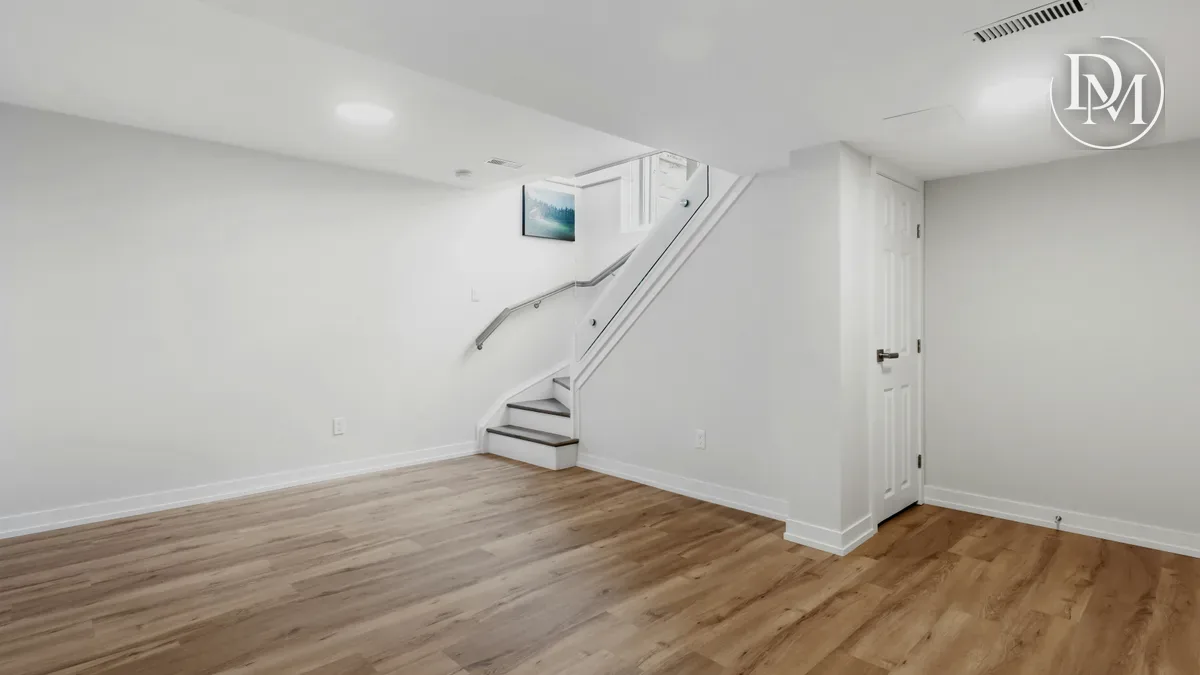
Does a finished basement count?
If it adds value, it can. The Division of Consumer Affairs lists finished basements, additions, garages, kitchens and bathrooms among the projects that make someone a home improvement contractor, and many of those projects need construction permits. The 2026 calendar lists processing building permits and added assessments among an assessor's regular duties, so plan on the assessor learning about permitted work.
Two things to keep in mind:
- The bill isn't based on your receipts. The added assessment follows the change in value of the whole property, not the cost of the project. A project can cost more than it adds, or less.
- Skipping permits isn't a tax strategy. New Jersey's seller disclosure form asks whether the proper permits and approvals were obtained for additions and alterations, so unpermitted work comes back when you sell. Here's what certificates and permits a New Jersey closing can call for.
When does the added assessment bill arrive?
On the Division of Taxation's 2026 calendar, the assessor files the added assessment list with the county board of taxation in the fall, and added assessment bills are to be mailed at least one week before November 1. After that first partial year, the improvement is part of your regular assessment and shows up in your regular tax bills.
If you're budgeting for a project, ask your municipal tax assessor's office how it would be assessed before you build. It's a better answer than any rule of thumb.
How do you appeal an added assessment?
Under the Form AA-1 instructions:
- Deadline. Your appeal must be received, not postmarked, by the county board of taxation on or before December 1 of the tax year, or 30 days from the date the collector finishes mailing added assessment bills, whichever is later. If the last day is a Saturday, Sunday or legal holiday, it moves to the next business day.
- Filing. File the original with the county board of taxation, and serve copies on the municipal assessor and the municipal clerk.
- Fee. Filing fees depend on the prorated assessed value, from $5 under $150,000 to $150 at $1,000,000 or more, payable to the County Tax Administrator.
- Evidence. You'll need evidence of the market value of the whole property, including the new improvements, as of the first of the month after completion. The instructions say comparable sales are acceptable evidence of market value, and comparable assessments are not. Up to five comparable sales can be submitted.
- Next step. A county board judgment can be appealed to the Tax Court of New Jersey within 45 days.
Comparable sales are my world. If you're appealing, I can pull recent sales that fit your home, so the board sees real numbers.
Should you build on or move?
Put both plans next to each other with the tax side included:
- Build on: the project cost, the added assessment for the partial year, and the higher regular assessment after that.
- Move: what your home sells for, the cost to sell, and the tax bill on the next home. In New Jersey, each town sets its own rate, so compare property taxes between towns before you fall for a house.
I'm a former New Jersey home builder and residential remodeler, so I can tell you what an addition really involves, and what it's likely to add to the value of your home. Here's the bigger renovate-or-move decision. Start with what your home is worth today, and see how I plan around a change like this on my life events page and in the Life Events Guide.
What if you're buying a home with a new addition?
Ask when the work was finished and whether it has been assessed yet. If it was finished recently, the next tax bills may be higher than the ones in the listing. Ask your attorney how any added assessment is handled at closing.
Frequently Asked Questions
What is an added assessment in New Jersey?
It's a tax assessment for improvements completed after October 1 of the pretax year, based on the change in the property's value and prorated for the full months left in the tax year after completion.
Does a finished basement increase property taxes in New Jersey?
It can, if it adds value. The assessment follows the value of the whole property as improved, not what the project cost.
When is the deadline to appeal an added assessment?
The county board of taxation must receive it by December 1 of the tax year, or 30 days after added assessment bills finish mailing, whichever is later.
Is the added assessment based on what I spent?
No. Under the Division of Taxation's instructions, it reflects the difference between the October 1 assessed value and the taxable value of the property as improved.
This is general information, not legal, tax or lending advice. Your municipal assessor and county board of taxation have the final word on your assessment.
About the author
Dennis Mark Interdonato is a REALTOR® and Master CDRE® who leads The Dennis Mark Group at Keller Williams Realty Ocean Living in Point Pleasant, NJ, helping buyers and sellers throughout New Jersey make their next move, with Monmouth and Ocean County as home base. Read more about Dennis Mark.
Keep reading
- Will a smaller home lower your property taxes?
- How property taxes affect your monthly payment
- Have a question this didn't answer? Send it to Dennis Mark and it may become the next article.