What Certificates and Permits Does a New Jersey Estate Home Need Before Closing?
Published | Posted by Dennis Mark Interdonato
- Probate & Estates
- Inherited Homes
- Home Inspections
- Home Selling
Almost every one- or two-family estate home in New Jersey needs a smoke alarm and carbon monoxide alarm certificate from the town before it changes hands, and many towns add their own resale inspection or certificate of occupancy. Older estate homes also tend to raise two more questions before closing: work that was done without permits, and an old heating oil tank.
I'm Dennis Mark Interdonato with The Dennis Mark Group at Keller Williams Realty Ocean Living. Before I sold homes, I built and remodeled them, so this is the part of an estate sale in Monmouth and Ocean County where a builder's eye saves the most time. Here's what to check, in the order I'd check it.
What is the smoke alarm certificate for a home sale in New Jersey?
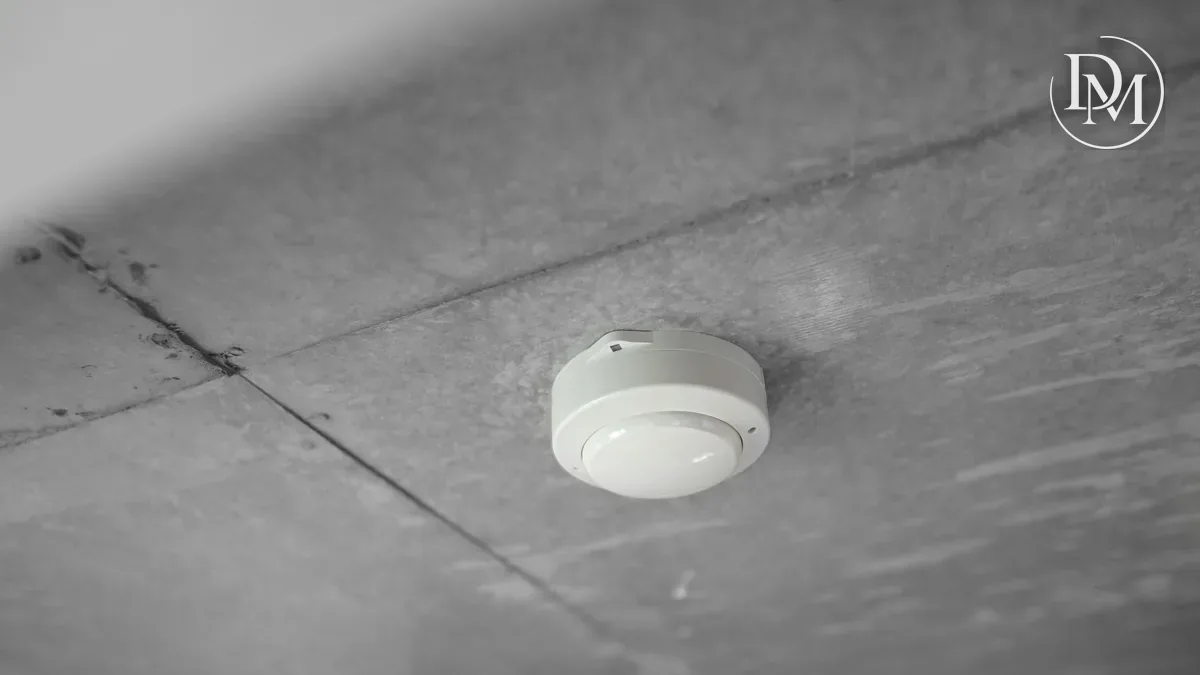
It's a certificate from the town showing the home's alarms meet state rules. The Department of Community Affairs said in a 2019 announcement that since January 1, 2019, the Uniform Fire Code has required a certificate of smoke alarm compliance before anyone may sell, lease or change occupancy of a one- or two-family dwelling, that the owner gets it only through the town with jurisdiction over the home, and that it's valid for six months from the date it's issued.
The Division of Fire Safety's January 2026 advisory bulletin now describes it as a certificate of smoke alarm, carbon monoxide alarm and secondary power source identification label compliance. The bulletin says that when a town requires a certificate of occupancy or similar approval for a sale, the town can't issue it until compliance with the smoke alarm and power source label law is verified. It also says that since February 3, 2025, these inspections must be done by licensed fire inspectors under P.L.2025, c.19, and that new DCA regulations are proposed.
Because the rules are changing, ask the town's fire official for its current checklist before you book the inspection. And time it: with a six-month life, the certificate should line up with the expected closing date.
Does the town require a resale certificate of occupancy?
Some do. The Fire Safety bulletin refers to towns that require a municipal certificate of occupancy or similar approval when a one- or two-family home changes occupancy, and it notes towns may keep using their existing property maintenance processes. What gets inspected, what it costs and how long it takes varies by town, so call the construction or code office in the town where the house is, whether that's in Monmouth County or Ocean County, as soon as you know the house will be sold.
What if work was done without permits?
The DCA's Bulletin 06-1 to construction officials says unpermitted work sometimes comes to light only during a resale inspection. When it was done by a previous owner, the bulletin suggests the official perform a Certificate of Continued Occupancy inspection, which is limited to what's visible. Corrective work that would normally need a permit still needs one.
With an estate, the person who did the work usually isn't around to explain it. That's where a builder's walk-through helps. I'll walk the house the way a builder does, note anything that looks like it was added or changed (a finished basement, a converted porch, a newer bathroom), and you'll take that list to the town and the estate's attorney before a buyer's inspector finds it first.
What about an old heating oil tank?
Ask early, because lenders and insurers often do. The DCA's Bulletin 95-1B on residential heating oil tanks says:
- The NJ Department of Environmental Protection strongly recommends removing all out-of-service underground heating oil tanks, even when there's no evidence of a leak.
- Removals of previously abandoned tanks have increased, driven by insurance and mortgage companies that don't want the liability.
- Only DEP-certified individuals and firms can work on underground residential heating oil tanks, and removing or abandoning a tank requires a demolition permit.
- If contamination is found, it's reported to the DEP hotline, 1-877-WARNDEP, and the cleanup goes through DEP's Unregulated Heating Oil Tank program.
Signs of an old tank include a fill or vent pipe outside the house, a gauge in the basement, or a heating system that was converted from oil. The estate's paperwork, and sometimes the neighbors, can tell you more. Any tank questions should go to the attorney before listing, because they can affect the timeline and what gets disclosed.
Who pays for repairs the town requires?
Usually the estate, as the seller, unless the contract says otherwise. New Jersey's fiduciary powers statute gives the executor or administrator the power to make repairs to preserve the property or make it saleable (N.J.S.A. 3B:14-23). Some items are small, like replacing alarms. Others need a licensed trade. I got a guy for everything, and I'm not putting any profit on top of anything: the estate pays the contractor directly.
What's the checklist before an estate home goes on the market?
- Authority confirmed by the estate's attorney.
- Builder's walk-through for unpermitted work, systems and anything an inspector will flag.
- Town requirements: the smoke and CO alarm certificate, plus any resale inspection or certificate of occupancy.
- Oil tank answers, if there's any sign of one.
- Two plans: sell as-is or make a few targeted updates, with what each should bring.
- Disclosure completed from what the estate knows. See whether an executor has to fill out the seller's disclosure.
Get a number first with my home value tool, then read the Estate & Probate Guide or see how I handle estate home sales.
Frequently Asked Questions
How long is a New Jersey smoke alarm certificate good for?
The DCA said in 2019 that it's valid for six months from the date of issue. Confirm the current rule with the town when you apply.
Who issues the smoke alarm certificate?
The town with jurisdiction over the home. The owner applies there, and the Division of Fire Safety says the inspections must be done by licensed fire inspectors.
Can you sell a house with an old oil tank in New Jersey?
The DCA bulletin says DEP strongly recommends removing out-of-service underground tanks, and that insurance and mortgage companies drive many removals. Ask the attorney how to handle it before listing.
What if the house has work without permits?
Talk to the town's construction office and the attorney. The DCA's guidance to construction officials describes a Certificate of Continued Occupancy inspection for work a previous owner did without permits.
This is general information, not legal, tax or lending advice. Check every requirement with the town where the house is and with the estate's attorney.
About the author
Dennis Mark Interdonato is a REALTOR® and Master CDRE® who leads The Dennis Mark Group at Keller Williams Realty Ocean Living in Point Pleasant, NJ, helping buyers and sellers throughout New Jersey make their next move, with Monmouth and Ocean County as home base. Read more about Dennis Mark.
Keep reading
- Which upgrades add value in New Jersey
- How to protect a vacant inherited house while it's for sale
- The Estate & Probate Guide
- Have a question this didn't answer? Send it to Dennis Mark.