Selling a House With Fire Damage in New Jersey: Repair It or Sell As-Is?
Published | Posted by Dennis Mark Interdonato
- Life Events
- Home Selling
- Homeowners Insurance
- Home Improvement
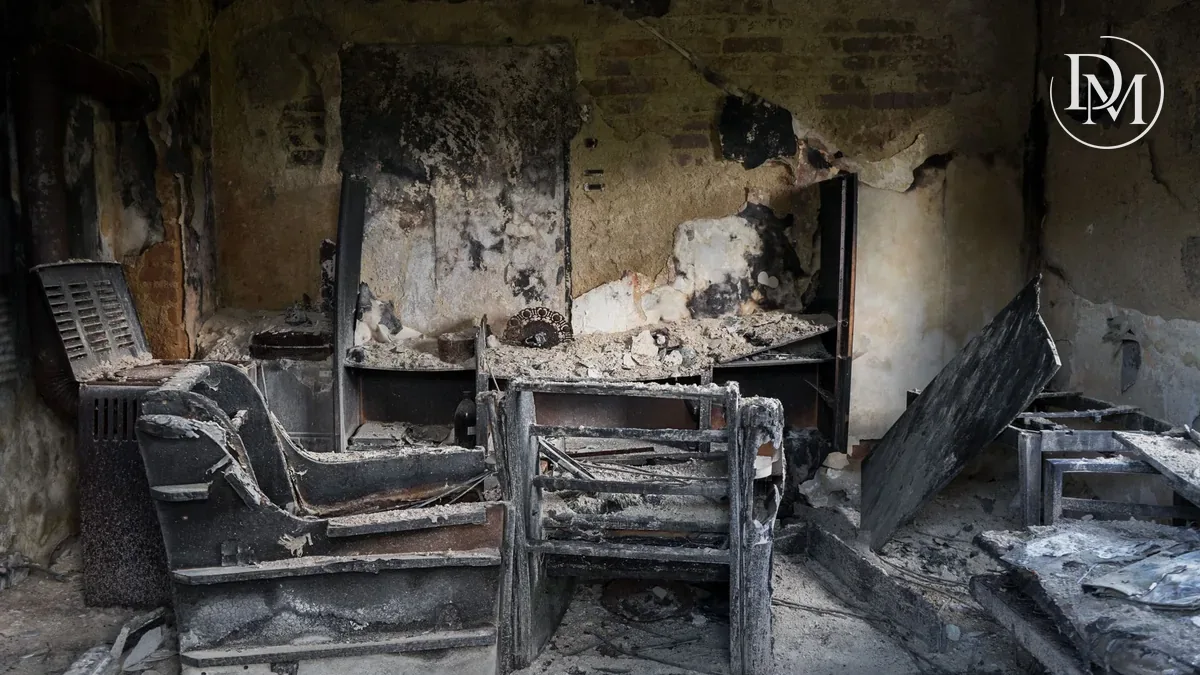
Yes, you can sell a house with fire damage in New Jersey, either after the repairs or as-is. The better choice depends on what your insurance will pay, how much work the house needs, how long the repairs would take, and what the home would be worth in each condition. Put the two plans side by side, with real numbers, before you sign a repair contract or a listing agreement.
I'm Dennis Mark Interdonato with The Dennis Mark Group. Before real estate, I spent years as a New Jersey home builder and residential remodeler, and I helped homeowners rebuild after Superstorm Sandy. When a fire changes your plans in Monmouth or Ocean County, I can read the damage, the repair estimate and the market at the same time, and that's what you need to make this call.
What should you do first after a house fire?
Before any decision about selling, the U.S. Fire Administration's guide After the Fire lists the first steps (U.S. Fire Administration):
- Don't go into the home unless the fire department says it's safe, and don't turn the utilities back on yourself.
- Contact your insurance company right away and ask what to do first.
- Get in touch with your mortgage lender.
- Save every receipt for money you spend.
New Jersey's Department of Banking and Insurance adds: photograph the damage before throwing anything out, keep damaged items until the insurer inspects them or says they can go, and make temporary repairs, like boarding up broken windows, to prevent more damage (NJ DOBI).
How does the insurance claim affect the decision?
The settlement is often the biggest number in the plan. DOBI says your insurer assigns an adjuster to inspect the damage and decide coverage, that you can ask for a copy of the damage estimate, and that you're not required to use the contractor the company recommends. Public adjusters, licensed by DOBI, can be hired to negotiate a claim for a share of the settlement, but you don't need one to file or settle.
DOBI's guidance also explains that a claim can come in several payments, and that payments for the structure may be made out to you and your mortgage lender, who may hold the money in escrow and release it as repairs are completed (NJ DOBI). That matters if you're thinking about selling before the work is done, so ask your insurer and your lender how a sale would affect the open claim.
Repair first, or sell as-is?
You get both plans from me, with the numbers for each:
- Repair, then sell. The home sells at full market value to the widest pool of buyers, including those with a standard mortgage. You carry the house during the work, manage the contractor, and take on the risk of surprises behind the walls.
- Sell as-is. Faster, and the next owner takes on the rebuild. The price reflects the work, and a home that isn't livable can be harder for buyers with a standard mortgage to finance, so many as-is buyers pay cash or use a renovation loan.
- A middle path. Clean-out, smoke remediation and making the house safe, then sell to a buyer who wants to finish it their way.
What tips the decision: how much the insurance covers, whether the damage is mostly smoke and water or structural, how long permits and contractors will take, and what the finished house would sell for on your street.
Do fire repairs need permits in New Jersey?
Most of them. The state's Uniform Construction Code makes it unlawful to repair, renovate, alter or reconstruct a structure without first applying to the construction official and getting the required permit, with exceptions only for ordinary maintenance and certain minor work (N.J.A.C. 5:23-2.14). Permitted, inspected work is also what a buyer's attorney will ask to see.
New Jersey's smoke and carbon monoxide alarm law has a specific rule for this situation. When a house is sold in a condition that needs enough rehabilitation to require a new certificate of occupancy, the usual alarm certificate isn't required for the sale, but the house can't be occupied until the proper certificate is issued under the construction code (P.L.2025, c.19).
What has to be disclosed to buyers?
As a licensee, I'm required to make a reasonable effort to learn about a property's physical condition and to disclose material information I know, or would have found with that effort (N.J.A.C. 11:5-6.4). A fire is material. What you, as the seller, need to disclose, and how, is a question for your attorney. Disclosing it well is also good strategy: buyers who know the story up front are the ones who close.
What about taxes if you sell sooner than planned?
IRS Publication 523 lists a home that suffered a casualty loss from a disaster as an unforeseeable event, which can qualify you for a partial home sale exclusion if you haven't owned and lived in the home for 2 of the last 5 years (IRS Publication 523). Your tax professional can tell you how the insurance payment and the sale fit together.
How does a builder's eye help here?
I walk the house with you and your estimate, line by line. I'll tell you what looks complete, what might be missing, and which repairs pay you back on the sale. I got a guy for everything, from clean-out and remediation to the trades, so if the plan is to repair, the work gets lined up while you deal with everything else.
Frequently Asked Questions
Can you sell a house with fire damage in New Jersey?
Yes. You can sell it repaired or as-is. If you sell as-is, your attorney will advise you on what has to be disclosed, and the price will reflect the work the buyer takes on.
Who buys fire-damaged homes?
Often cash buyers, renovators and buyers using renovation loans, plus people who want to rebuild to their own taste. Marketing the home with the damage and the repair estimate on the table brings the right ones forward.
Can I sell before the insurance claim is settled?
Possibly, but the claim and the sale affect each other, and your mortgage lender may be named on the structure payment. Talk to your insurer, lender and attorney before you list.
Do I have to use the insurance company's contractor?
No. New Jersey's Department of Banking and Insurance says you're not required to use the contractor the company recommends.
This is general information, not legal, tax or lending advice. Your insurer, attorney and tax professional handle the claim, the disclosures and the tax questions.
About the author
Dennis Mark Interdonato is a REALTOR® and Master CDRE® who leads The Dennis Mark Group at Keller Williams Realty Ocean Living in Point Pleasant, NJ, helping buyers and sellers throughout New Jersey make their next move, with Monmouth and Ocean County as home base. Read more about Dennis Mark.
Keep reading
- How Dennis Mark plans a move around a life event
- Plan it step by step with the free Life Events Guide.
- Want to know what the house is worth both ways? Start with a free home value.
- Storm damage instead? Read how a storm damage claim works in New Jersey.
- Deciding which repairs pay? Read which upgrades add value in New Jersey.
- Have a question this didn't answer? Send it to Dennis Mark and it may become the next article.