VA Specially Adapted Housing Grants: Adapting a Home in New Jersey
Published | Posted by Dennis Mark Interdonato
- Military & VA
- VA Benefits
- Accessible Homes
- Home Renovation
VA's Specially Adapted Housing (SAH) and Special Home Adaptation (SHA) grants help Veterans and service members with certain service-connected disabilities buy, build or change a permanent home, with maximums for fiscal year 2026 of $126,526 for SAH and $25,350 for SHA. You apply with VA Form 26-4555, and the grant can be used up to six times over your lifetime.
I'm Dennis Mark Interdonato with The Dennis Mark Group at Keller Williams Realty Ocean Living and the Market Center Representative for KW Military. I'm also a former New Jersey home builder and residential remodeler. When a Veteran asks whether a house in Monmouth or Ocean County can be adapted, I'm looking at it as a builder first. Here's what VA offers and how the pieces fit.
What are VA's adapted housing grants?
VA's disability housing grants page (updated November 18, 2025) describes three grants for Veterans and service members with certain service-connected disabilities. VA gives examples of the changes they can pay for, such as adding ramps or widening doorways.
- Specially Adapted Housing (SAH): to buy, build or change your permanent home, meaning a home you plan to live in for the long term.
- Special Home Adaptation (SHA): also to buy, build or change a permanent home.
- Temporary Residence Adaptation (TRA): to change a family member's home that you're living in temporarily. You don't need to own it, but you need to qualify for SAH or SHA.
Who qualifies for an SAH grant?
VA's page lists two requirements: you own or will own the home, and you have a qualifying service-connected disability. Qualifying disabilities include:
- loss or loss of use of more than one limb,
- loss or loss of use of a lower leg along with the residuals, or lasting effects, of an organic disease or injury,
- blindness in both eyes with 20/200 visual acuity or less,
- certain severe burns, and
- loss or loss of use of one lower extremity after September 11, 2001, so that you can't balance or walk without braces, crutches, canes or a wheelchair.
VA notes that the last category is limited to 120 Veterans and service members per fiscal year, which runs from October 1 to September 30, and that unused eligibility may carry into future years.
Who qualifies for an SHA grant?
For SHA, VA says you or a family member must own or will own the home, and you must have a qualifying service-connected disability, such as:
- loss or loss of use of both hands,
- certain severe burns, or
- certain respiratory or breathing injuries.
VA decides eligibility. The descriptions above are VA's categories in summary, not a substitute for its decision on your claim.
How much are the grants in 2026?
VA's page lists these maximums for fiscal year 2026:
- SAH: up to $126,526
- SHA: up to $25,350
- TRA: up to $50,961 if you qualify for SAH, or $9,100 if you qualify for SHA
You can use an SAH or SHA grant up to six separate times, take part of it now and save the rest for later. VA may adjust the maximum each year based on construction costs, and when you use the grant you may receive up to the maximum in effect that year.
How do you apply?
VA's how-to-apply page (updated September 24, 2025) lists three ways to submit VA Form 26-4555:
- online at VA.gov,
- by mail to the VA Claims Intake Center, at the address printed on the form, or
- in person at a VA regional office.
Have your Social Security number ready, and your VA file or claim number if you have one. VA sends a letter with its decision, and you can check the status on VA.gov.
What should a builder know about an SAH project?
One detail matters if you're building or adapting with SAH funds. In Circular 26-25-1 (March 31, 2025), VA dropped its builder identification number for most VA-guaranteed loans on new construction but kept the requirement for processing a Specially Adapted Housing grant. Builders are still expected to meet state and local licensing rules. In New Jersey, the Department of Community Affairs requires new home builders to be registered.
From the builder's side of the table, here's what I look at when a buyer is weighing a home they'll adapt:
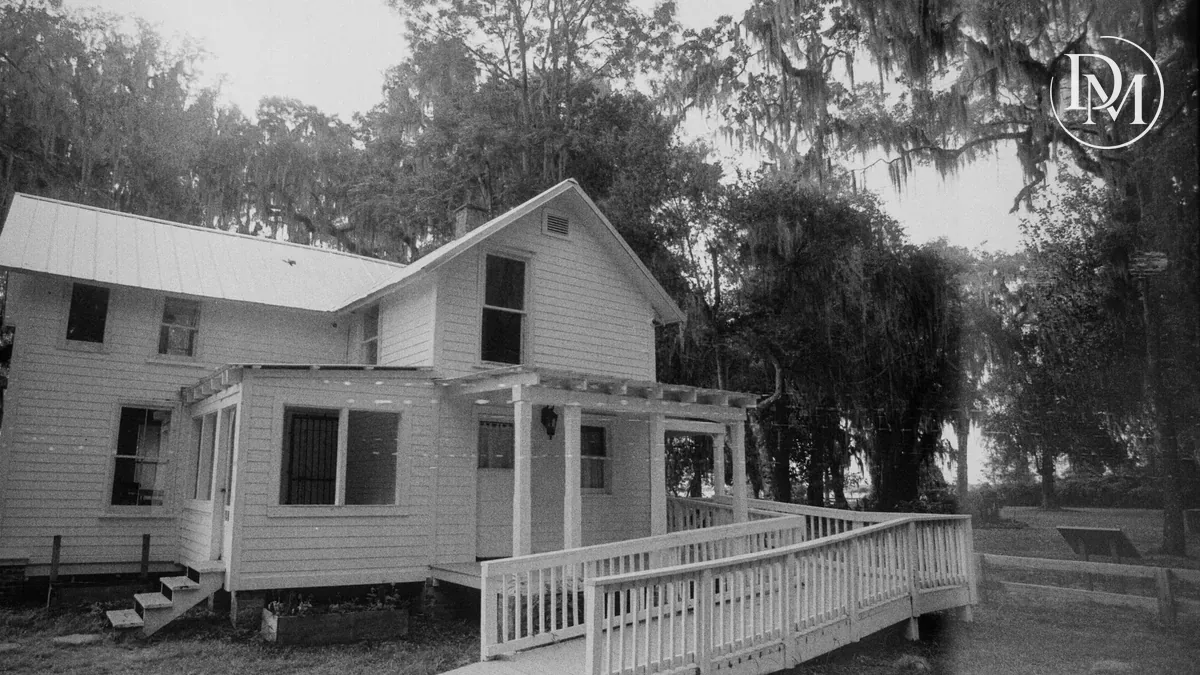
- The entry. How many steps there are, and whether there's room for a ramp that meets local code.
- The floor plan. Whether a bedroom and full bath are on the main level, or can be.
- The doorways and halls. Which walls are bearing, because that decides what can be widened and what it costs.
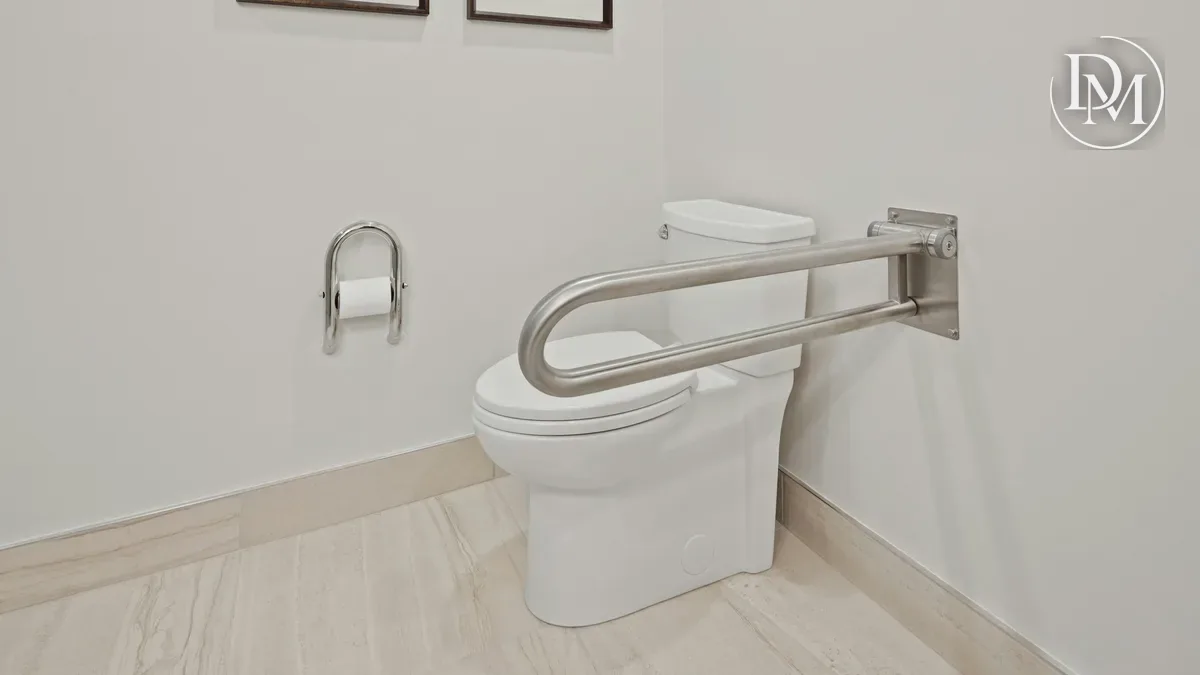
- The bathroom. Whether there's space, plumbing access and structure for the changes you need.
Some homes are a fit with modest work, and some would cost more to change than another house would cost to buy. I tell people what they need to hear, not what they want to hear, so you'll know which kind you're looking at before you write an offer.
Can you combine a grant with a home purchase?
SAH and SHA can be used to buy a home, according to VA's page, and VA's home loan is a separate benefit. If you're buying with a VA loan too, tell your lender about the grant at the start so the timelines line up. For the loan side, see home buying benefits for military buyers in New Jersey. Veterans rated 100% permanently and totally disabled may also qualify for New Jersey's property tax exemption.
If you're selling a home that no longer works for you, start with what it's worth.
Frequently Asked Questions
How much is the SAH grant for 2026?
Up to $126,526 for fiscal year 2026, according to VA.gov. The SHA maximum is $25,350.
How many times can I use the grant?
Up to six separate times over your lifetime, according to VA.
Do I have to own the home?
For SAH, you must own or will own it. For SHA, you or a family member must. TRA is for a family member's home you're living in temporarily.
Which form do I use to apply?
VA Form 26-4555, online, by mail or in person.
This is general information, not legal, tax or lending advice. VA decides grant eligibility and amounts, and your lender confirms any loan. This site isn't affiliated with or endorsed by the Department of Veterans Affairs or the Department of Defense.
About the author
Dennis Mark Interdonato is a REALTOR® and Master CDRE® who leads The Dennis Mark Group at Keller Williams Realty Ocean Living in Point Pleasant, NJ, helping buyers and sellers throughout New Jersey make their next move, with Monmouth and Ocean County as home base. Read more about Dennis Mark, or see how I handle military moves.
Keep reading
- The Military Home Guide
- Buying new construction with a VA loan in New Jersey
- Have a question this didn't answer? Send it to Dennis Mark.