Buying New Construction With a VA Loan in New Jersey
Published | Posted by Dennis Mark Interdonato
- Military & VA
- VA Loans
- New Construction
- Home Buying
Yes, you can buy a newly built home with a VA loan, either by purchasing it from a builder who finances the construction or by using a VA construction loan to build one. The VA appraisal still has to support the price, VA doesn't inspect the construction, and New Jersey requires new home builders to be registered with the State's New Home Warranty Program, so your protection comes from your contract, your own inspections and that warranty.
I'm Dennis Mark Interdonato with The Dennis Mark Group at Keller Williams Realty Ocean Living, the Market Center Representative for KW Military, and a former New Jersey home builder and residential remodeler. I've been on the builder's side of the table, and I know what a buyer should ask before signing. Here's how a VA purchase of new construction works in Monmouth and Ocean County.
Can you use a VA loan for a new construction home?
Yes. VA's purchase loan page (updated January 7, 2026) lists building a new home among the uses of the benefit. VA's Home Loan Guaranty Buyer's Guide describes two paths:
- Buying from a builder who funds the construction. The guide says a builder can finance construction from its own resources, and you can still use your VA loan to buy the property from the builder.
- A VA construction loan. You build on land you own or are buying. The guide notes that not all lenders offer construction loans, and VA strongly encourages comparing several.
This article focuses on buying from a builder, with notes on construction loans where they differ.
How does the VA appraisal work on a new home?
The Buyer's Guide says that when the appraisal can be done before the foundation is complete, the lender orders it "based on plans and specs." If construction is further along, the appraisal waits until the home is finished. VA then issues the Notice of Value.
New developments sometimes lack comparable sales. For that case, the guide says your lender can ask the appraiser to use a cost approach to estimate value, along with the sales approach. VA's fee table (effective May 1, 2026) lists New Jersey's single-family appraisal fee at $650. For what the appraiser checks, see VA's minimum property requirements.
What happens to upgrade deposits if the appraisal comes in low?
This is the one I'd underline. Every VA purchase contract needs the VA escape clause, which lets you walk away without losing your earnest money if the price is higher than VA's appraised value. But the Buyer's Guide warns that on new construction, you may pay for upgrades in advance, and if you don't go through with the purchase, those upgrades are often not refundable or covered by the escape clause.
So read the builder's contract for how upgrade deposits are handled, and keep the upgrade list in line with what the appraisal is likely to support. If the value comes in low, see your options when a VA appraisal comes in low.
Does VA inspect a new home?
No. VA's page on resolving a dispute with your builder (updated September 30, 2025) says it plainly: the VA loan program guarantees your loan, not your home's condition, and VA appraisers are not home inspectors. VA's Circular 26-25-1 (March 31, 2025) explains that VA stopped compliance inspections of new construction in February 2006 and relies on local building inspections and builder warranties. It also says VA now gives Veterans resources for builder complaints instead of stepping in.
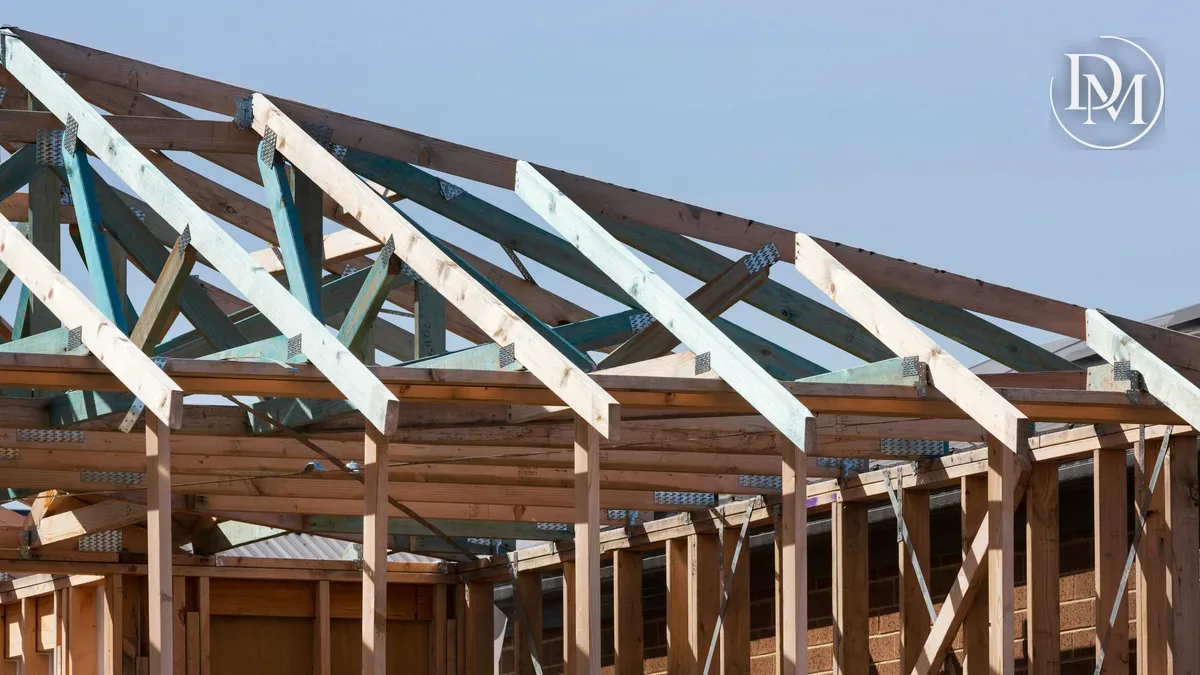
My advice as a former builder: hire your own inspector, and if the builder allows it, inspect at more than one stage. Before the walls close is when you can still see the framing, the mechanicals and the wiring. Ask the builder in writing what access you'll have.
What warranty comes with a new home in New Jersey?
New Jersey has its own program. The Department of Community Affairs' New Home Warranty page says all new home builders must be registered with DCA, with one exception for someone building a home for their own use. It lists the coverage:
- Year 1: almost all defects in workmanship or materials.
- Years 1 and 2: the plumbing, electrical and heating and cooling systems.
- Years 1 through 10: major structural defects.
Two details trip people up. DCA says notice to your builder is not notice to the warranty administrator and doesn't count as filing a claim, and a claim has to be filed formally before the coverage period ends. Your warranty booklet, which you get at closing, explains how. DCA also lists registered builders, so check the builder before you sign.
What should you ask a builder before signing?
- Is the builder registered with New Jersey's New Home Warranty Program, and which warranty plan covers the home?
- How are deposits and upgrade payments held, and when are they refundable?
- What's the completion date, and what happens if it slips past your report date?
- Will you allow independent inspections during construction and before closing?
- How does the punch list work, and who signs off?
I tell people what they need to hear, not what they want to hear. A beautiful model home tells you about the finishes, not the framing. For the timeline side, read buying a home under construction in New Jersey.
How does a VA construction loan differ?
If you're building on your own lot, the Buyer's Guide describes one-time-close and two-time-close construction loans. With a one-time close, the construction loan and permanent financing close together up front. Unless you're exempt, the VA funding fee is due at the loan closing before construction starts, and the lender has to send it to VA within 15 days. VA doesn't issue its guaranty until the project is complete, and the lender must get your written approval before each draw payment to the builder.
Frequently Asked Questions
Can I use a VA loan to buy from a builder?
Yes. VA's Buyer's Guide says you can use a VA loan to buy a newly built property from a builder who financed the construction.
Does VA inspect new construction?
No. VA says its loan program guarantees the loan, not the home's condition, and it relies on local building inspections and builder warranties.
Are upgrade deposits protected by the VA escape clause?
Often not. The Buyer's Guide says upgrades paid in advance are often not refundable or covered by the escape clause if you don't complete the purchase.
How long is the New Jersey new home warranty?
One year for most workmanship and materials, two years for major systems and ten years for major structural defects, according to DCA.
This is general information, not legal, tax or lending advice. Your lender, your attorney and the warranty plan confirm what applies to your purchase. This site isn't affiliated with or endorsed by the Department of Veterans Affairs or the Department of Defense.
About the author
Dennis Mark Interdonato is a REALTOR® and Master CDRE® who leads The Dennis Mark Group at Keller Williams Realty Ocean Living in Point Pleasant, NJ, helping buyers and sellers throughout New Jersey make their next move, with Monmouth and Ocean County as home base. Read more about Dennis Mark, or see how I handle military moves.
Keep reading
- The Military Home Guide
- VA Specially Adapted Housing grants in New Jersey
- Selling your current home first? Start with what it's worth.
- Have a question this didn't answer? Send it to Dennis Mark.