

Property Perspectives Local Insight
Insights, Trends, and Strategies for Today's Home Buyers and Sellers. Page 2 of 27.

More Homes, Fewer Buyers: How New Jersey Homebuyers Can Negotiate a Better Deal in Today's Market
More homes on the market and fewer competing buyers could create new opportunities for New Jersey homebuyers. But knowing when to negotiate, what to ask for, and how to recognize a good deal can make all the…

Bulkhead Checks Before You Buy a Waterfront Home: What to Ask For and Who Looks at It
A standard New Jersey home inspection leaves out sea walls, bulkheads and docks, so the bulkhead needs its own look from a marine contractor or a New Jersey licensed professional engineer. Pair that look with the…
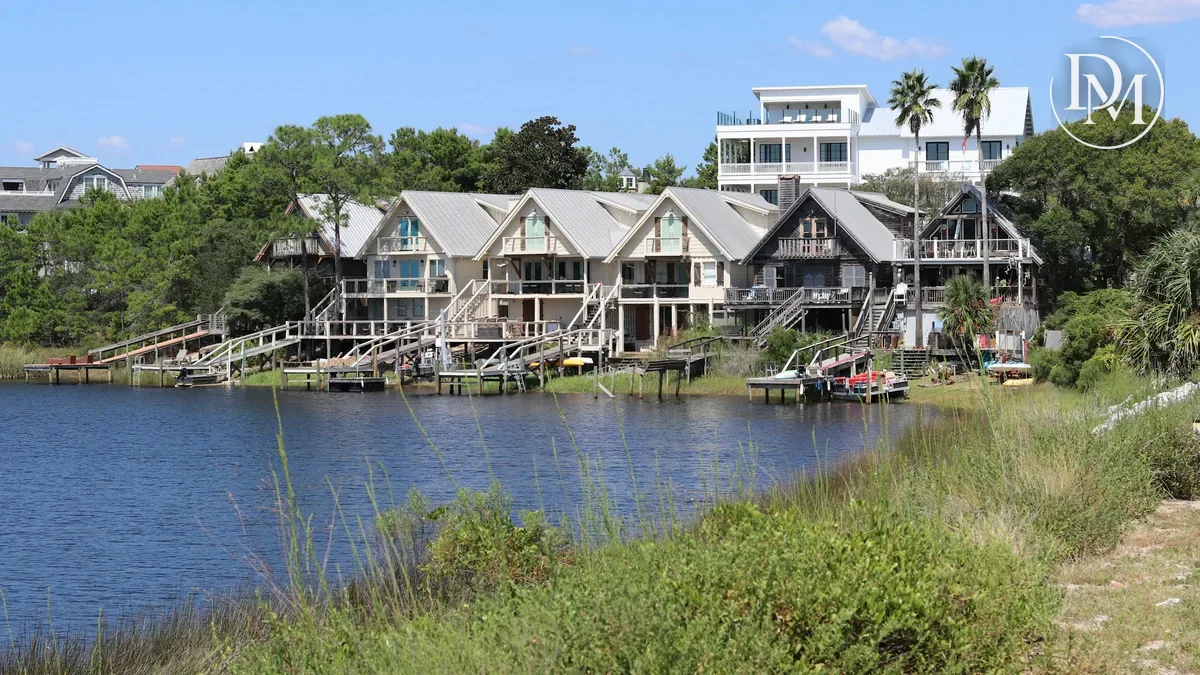
Can You Add a Dock or Boat Lift After You Buy? What to Check Before Closing
Often you can, but not without approval first. In New Jersey, building or changing a dock, pier, piling or boat lift at or below the mean high water line needs an NJDEP coastal permit, a structure on State-owned…

How Deep Is the Water Off the Dock? Checking Depth, Tides and Bridge Clearance Before You Buy
Check three things before you fall for a dock: the depth on a NOAA nautical chart, the tide predictions from NOAA Tides & Currents, and the clearance of every bridge between the house and open water. Then measure the…

Flood Vents and Flood Openings on a Raised Home: What Counts and Why It Matters
Flood vents, which FEMA calls flood openings, are permanent openings low in the walls of a crawlspace or the enclosed area under a raised home that let floodwater flow in and out on its own, so the water pressure on…

Lagoon Dredging in New Jersey: What It Is, What Permits It Takes and Who Handles It
Lagoon dredging is the work of removing sediment that has built up in a lagoon so boats can keep using it. In New Jersey it's regulated work: dredging at or below the mean high water line needs an NJDEP coastal permit,…

New Jersey's REAL Rules: What the 2026 Coastal and Flood Changes Mean for Waterfront Homeowners
The REAL rules are NJDEP's 2026 amendments to its coastal, flood hazard, freshwater wetlands and stormwater rules. For a home near tidal water, the biggest change is a new design flood height, the climate-adjusted…

Private Flood Insurance or the NFIP in New Jersey?
Both cover flooding, which a standard New Jersey homeowners policy doesn't. The NFIP is FEMA's program, with set coverage limits and the same rates from every company that sells it; private flood insurance is written…

“Waterfront,” “Water View” or “Water Access”: What a New Jersey Listing Is Telling You
"Waterfront" should mean the property itself meets the water, "water view" describes what you can see from it, and "water access" means a way to reach the water that may not be on the lot at all. None of them is a…

What Is a LOMA? How a Home Can Be Removed From FEMA's High-Risk Flood Area
A Letter of Map Amendment, or LOMA, is a letter from FEMA stating that an existing structure or parcel of land that hasn't been raised by fill would not be flooded by the base flood, which officially removes it from…

What Sets the Cost of Flood Insurance on a New Jersey Home?
An NFIP flood insurance premium is set for the individual building: where it is, how it's built, what it would cost to rebuild, and the coverage and deductibles you choose. FEMA's current pricing doesn't use the flood…

Local Summer: Fall at the Jersey Shore, From Farm Days to Town Events
"Local Summer" is a real thing at the Jersey Shore, and it starts right after Labor Day, when everyone leaves. The restaurants, bars and eateries can breathe again, and the people who live here get their hometowns and…

Selling a Waterfront Home With an Unpermitted Dock or Bulkhead
Start early, and start with your attorney. New Jersey requires a tidelands license for docks and other fixed structures on State-owned tidelands even when an earlier owner built them, and a missing coastal permit or…

Understanding Attorney Review During a Divorce Home Sale in New Jersey
Attorney review works the same in a divorce sale as in any New Jersey sale: an attorney for the buyer or the sellers can review and disapprove a contract a real estate licensee prepared, within three business days of…

What Happens Between Clear-to-Close and Closing Day in a New Jersey Divorce Home Sale?
Clear-to-close means the buyer's lender has finished underwriting and approved the loan to close; it doesn't mean the sale is done. Between that and closing day come the buyer's Closing Disclosure waiting period, the…

Emotional Reality vs. Process Reality: Why Selling the House Feels So Hard in a New Jersey Divorce
Selling the house in a divorce feels harder than any other sale because money, history and legal steps all land on the same decisions, and two owners who may barely be speaking have to make them together. The process…

How Offers Are Presented During a Divorce Home Sale in New Jersey
In a divorce sale, every offer goes to both owners at the same time, in the same written summary, so neither of you hears about it first or gets a different version. Neither spouse can accept alone unless an order or…

What Happens When the Appraisal Comes in Low During a Divorce Home Sale in New Jersey?
A low appraisal doesn't end a sale on its own: the usual paths are renegotiating the price, the buyer covering the gap, asking the lender to reconsider the value, or putting the home back on the market. In a divorce,…

Top Mistakes Homeowners Make When Selling a Home During a Divorce in New Jersey (and What to Do Instead)
The costliest mistakes in a New Jersey divorce home sale are treating it like a normal sale, using the price as a weapon, and leaving authority, paperwork and the town's requirements until something breaks. Every one…
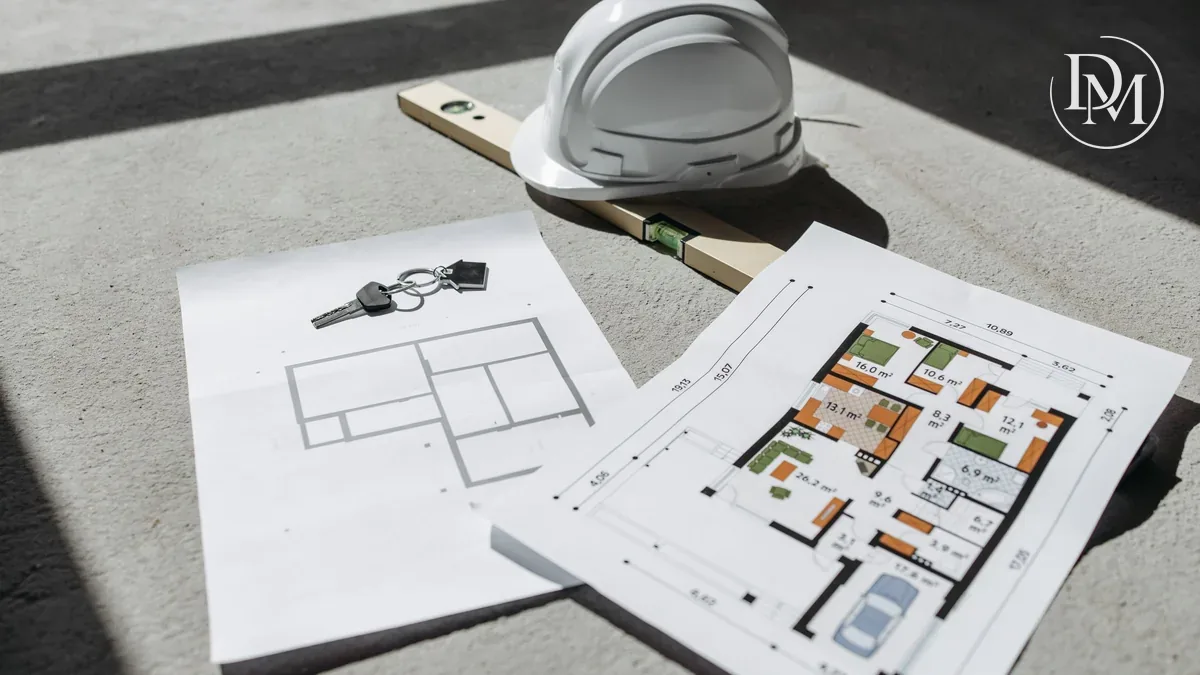
New Jersey Town Requirements in a Divorce Home Sale: CO Inspections, the Smoke and CO Alarm Certificate and Open Permits
A divorce doesn't change what your town requires before a New Jersey home can close: the smoke and carbon monoxide alarm certificate, any resale certificate of occupancy (CO) or continued occupancy (CCO) inspection…

What Does a Court-Appointed Realtor Do During a New Jersey Divorce Home Sale?
A court-appointed realtor sells the marital home the way the court's order says to, for both owners at the same time, without taking a side. The job is the sale itself: a price backed by evidence, access, marketing,…

What Happens at Closing During a Divorce Home Sale in New Jersey?
At a New Jersey divorce closing, both owners sign the deed and the seller's papers, often at different times or places, the mortgage and the costs are paid first, and the net proceeds are paid out or held exactly as…

When Should You Call a Divorce Real Estate Expert in New Jersey?
Bring in a divorce real estate expert as soon as the house becomes part of the conversation, usually at separation or the start of mediation, not after a judge orders a sale. An early conversation gets you information,…
Who Has to Sign to Sell the House in a New Jersey Divorce, and What If Someone Refuses?
In most New Jersey divorce sales, both spouses sign every document that commits the house: the listing agreement, price changes, the seller's disclosure, the contract, inspection responses and the closing papers. A…